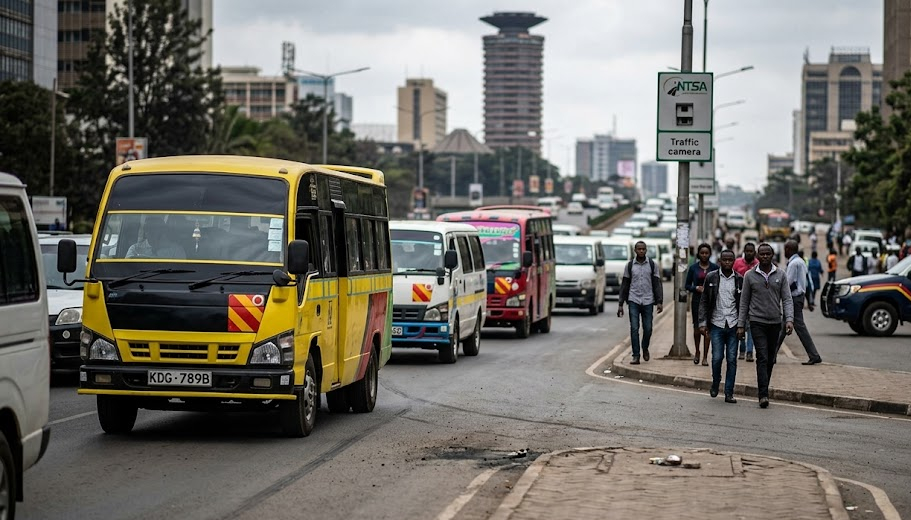
There is palpable anxiety across Nairobi’s major transport corridors. Commuters are waking up to an uncertain morning as jitters over potential protests spark fresh transport fears. This comes despite major public transport lobbies officially calling off their planned nationwide strike following intensive negotiations.
The uneasiness highlights how volatile the transport sector remains. Businesses and commuters are preparing for disruptions, even though The Star Newspaper Kenya reported that normal operations are visible along busy highways like the Thika Road Superhighway.
However, the psychological impact of the previous week’s chaos continues to affect Nairobi’s central business district.
The State House Deal and Internal Friction
The current transport anxiety follows a tense week where the transport sector came to a near-standstill. The initial two-day strike was triggered by the Energy and Petroleum Regulatory Authority (EPRA). Its mid-May review pushed petrol prices to KSh 214.25 and diesel to a historic KSh 242.92 per litre in Nairobi.
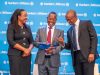
The Associated Press via News4Jax covered the high-stakes meeting between President William Ruto and transport leaders at State House, Mombasa.
The President pledged to slash diesel prices by KSh 10 per litre in the upcoming June-July pricing cycle. This would bring diesel costs down to roughly KSh 222.86 per litre in the capital.
Following this concession, Albert Karakacha, the National Chairman of the Matatu Owners Association (MOA), announced the strike was fully called off.
“We have called off the strike. We had suspended the strike, but we have called it off. We will not have a strike next week; we are going to work,” Karakacha stated.
Yet, despite this official stance, grassroots operators are deeply divided. Reports indicate that many drivers feel betrayed by their leadership. They argue that a KSh 10 reduction does not offset the massive operational costs driven by global fuel shocks. This internal friction is exactly what is driving the current transport fears. Commuters worry that rogue operators might still withdraw their vehicles or block key roundabouts.
The Sh50 Billion Economic Toll
The cautious approach taken by Nairobi workers and businesses is justified. Economists point out that transport paralysis directly damages the country’s fragile economic recovery.
According to a detailed analysis by the Financial Times, a single day of nationwide transport protests can cost the Kenyan economy upwards of KSh 50 billion ($390 million). This loss stems from shut retail businesses, paralyzed supply chains, missed working hours, and physical property damage.
The global energy crisis, worsened by supply chain blocks in the Middle East and the closure of the Strait of Hormuz, leaves the government with few options. President Ruto has strongly rejected calls to lower fuel taxes or reduce the Value Added Tax (VAT) on petroleum products from 16% to 8%.
The executive argues that cutting fuel taxes would create huge revenue deficits. This shortfall would make it impossible for the Treasury to service Kenya’s mounting public debt or fund essential services.
Human Rights Concerns and the Road Ahead
The transport sector’s vulnerability is heightened by the heavy human cost of recent demonstrations. Advocacy organizations like ARTICLE 19 Eastern Africa have raised alarms over the security response during the initial walkouts. Reports confirm that at least four people lost their lives, over 30 were injured, and hundreds were arrested as regional protests turned chaotic.
This mix of high fuel costs, fractured union leadership, and fear of police clashes keeps the city on edge. Many corporate offices in Nairobi are quietly advising employees to use remote work options if traffic patterns show early signs of gridlock.
While the Matatu Owners Association maintains that buses and minibuses are fully active, the coming days will test the durability of the State House agreement.
For now, Nairobi’s business community is keeping a close watch on the roads, knowing how quickly a quiet morning can turn into economic gridlock.
You can watch an overview of the initial breakdown in negotiations and how the strike unfolded on this CGTN Africa News Report. This video provides crucial context on the original grievances raised by the Transport Sector Alliance before the State House meetings took place.
READ ALSO: TSC Lowers Entry Bar for Junior School Teachers to Fight CBC Deficit