
The Teachers Service Commission (TSC) has initiated a major review of entry standards and academic qualifications for teacher registration. This strategic shift is designed to allow thousands of primary school teachers to qualify for promotion and deployment to junior secondary schools across the country.
Easing the C+ Restriction for Primary Teachers
Under the newly proposed amendments to Regulation 20 of the TSC Code of Regulations for Teachers, primary school educators holding a Diploma in Education will no longer face absolute exclusion due to strict entry thresholds.
The proposed changes will allow teachers with an overall Kenya Certificate of Secondary Education (KCSE) mean grade of C (plain)—along with a C+ in at least one teaching subject—to officially qualify for registration and deployment to junior school stations.
Currently, the law enforces a strict minimum threshold of a KCSE mean grade of C+ (plus) and at least a C+ in two distinct teaching subjects to secure a secondary-level registration.
This high bar has effectively locked out a vast pool of experienced P1 and primary diploma teachers who have spent years handling upper-primary classrooms.
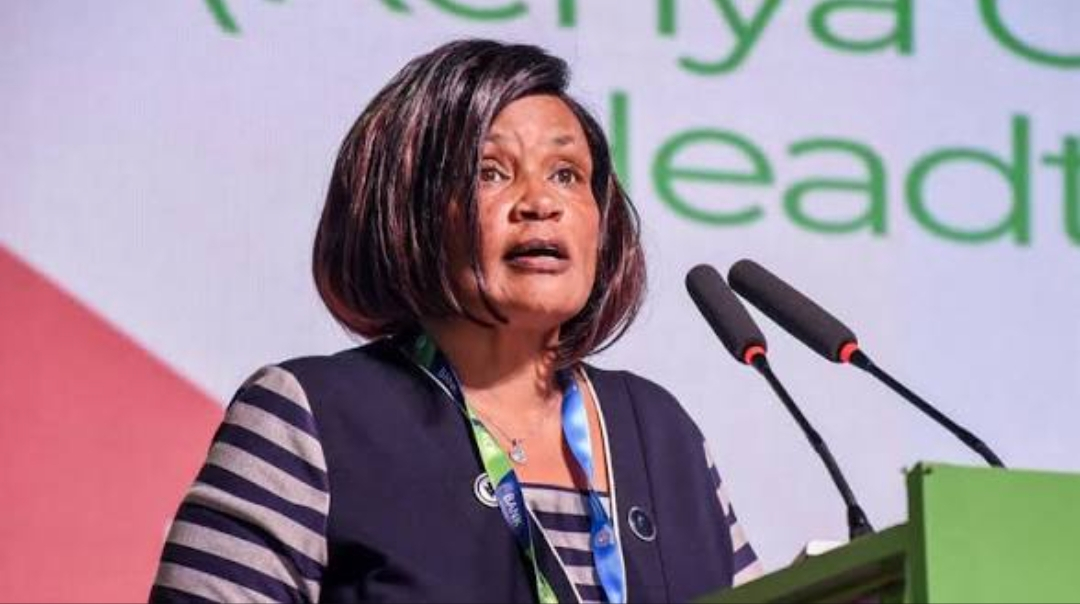
“We are actively reviewing these entry standards to create a progressive career path for our primary school educators while directly addressing the staffing requirements of our expanding junior schools,” noted the TSC leadership during a stakeholder engagement forum.
Addressing the Grade 9 Staffing Strain
The sudden push to relax deployment rules comes at a critical time for the ministry. With the Competency-Based Curriculum (CBC) entering a decisive phase, public junior schools are experiencing massive enrollment pressure as the pioneer cohort advances through Grade 9.
The acute shortage of qualified humanities, science, and technical subject teachers has forced the commission to look inward. Promoting existing primary school teachers who have already undergone basic CBC training workshops provides a rapid, cost-effective staffing solution compared to relying entirely on fresh budgetary allocations for external hiring.
| Requirement Metric | Existing TSC Threshold | Proposed Amendment Regulation | Target Impact |
| KCSE Mean Grade | C+ (Plus) Minimum | C (Plain) Minimum | Expands eligible applicant pool |
| Subject Requirements | C+ in Two Teaching Subjects | C+ in One Teaching Subject | Accelerates local teacher deployment |
| Primary Qualification | Secondary Degree/Diploma Only | Primary Diploma + Subject Specialization | Rewards experienced P1 educators |
Frequently Asked Questions (FAQs)
1. Who is eligible for the new TSC junior school deployment?
Primary school teachers who possess a recognized Diploma in Education, a minimum KCSE mean grade of C (plain), and at least a C+ in one specific teaching subject will be eligible to apply for deployment once the amendments are formalized.
2. Does this change affect the salary scale of deployed teachers?
Yes. Primary school teachers successfully deployed to junior secondary schools typically transition from their current primary job groups to higher secondary-school grading tiers (such as Grade C2 or C3), which comes with an adjustment in basic pay and commuter allowances.
3. Why is TSC lowering the requirements right now?
The implementation of the CBC framework requires an immediate influx of instructors to manage specialized learning pathways in Grade 7, 8, and 9. Lowering the entry bar helps fill persistent teacher deficits across rural and understaffed public sub-county schools.
4. What happens to the mandatory school-based assessments?
The deployment coincides with strict deadlines from the Kenya National Examinations Council (KNEC).
School heads are currently utilizing the official Competency-Based Assessment (CBA) portal to upload crucial Grade 7 and Grade 8 project scores, making proper teacher staffing vital to ensure smooth continuous assessments before the final national evaluations.
5. When will these new regulations take effect?
The amendments are currently undergoing public and stakeholder validation forums at the Kenya Institute of Special Education (KISE). Once the feedback phase concludes and the revised code is gazetted, the TSC will open an automated deployment application portal for qualified teachers.
What This Means for School Managers
For school heads and regional directors, the regulatory ease offers immediate operational relief. Instead of relying heavily on board-hired teachers to fill gaps in practical subjects like Agriculture or Creative Arts and Sports, institutions can leverage internal re-assignments.
Furthermore, the Teachers Service Commission emphasized that all records and continuous assessment evidence managed by deployed teachers must remain strictly archived to avoid discrepancies during the upcoming final national assessment cycles.
READ ALSO: High Court Blocks Government From Selling 15% Safaricom Stake to Vodacom