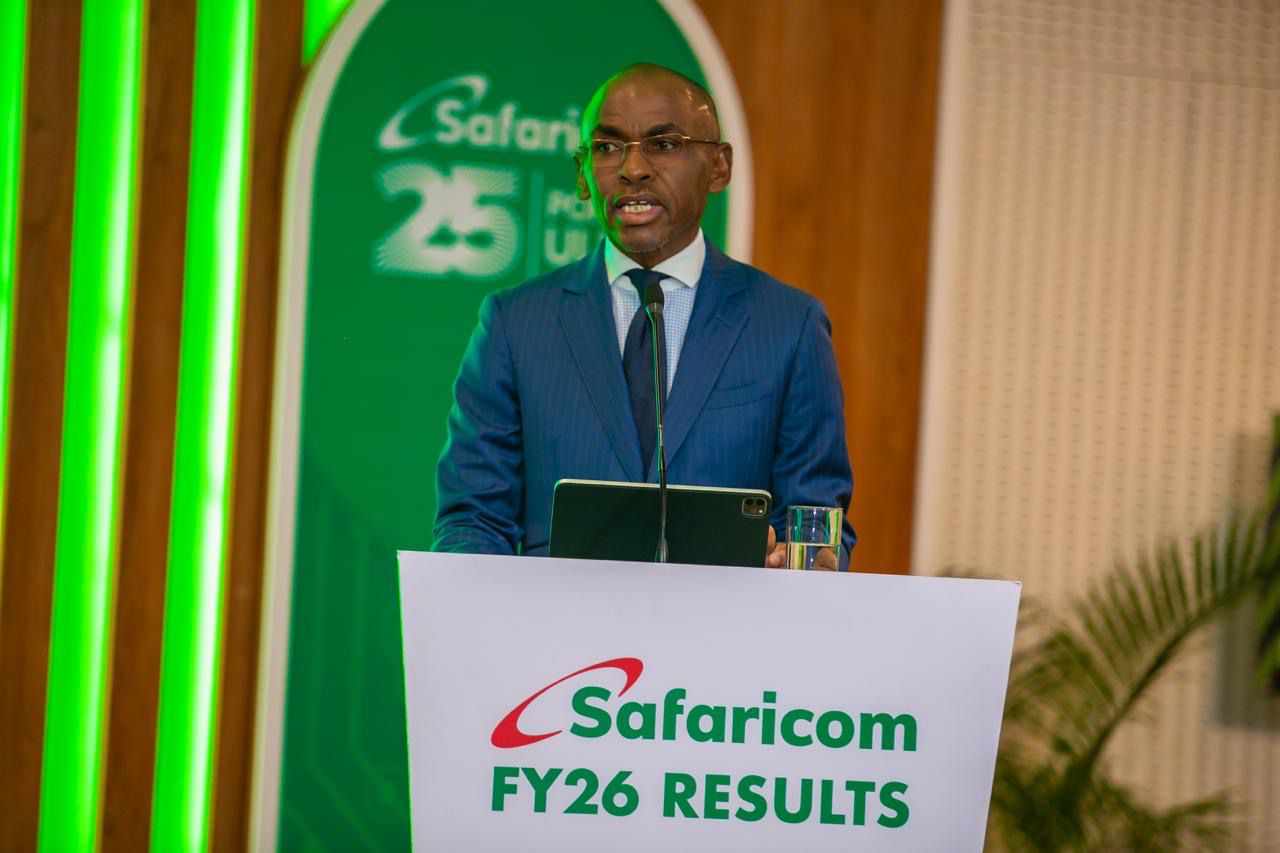
Safaricom has posted a net profit of KES100 billion for the financial year ending March 2026, powered by strong growth in mobile data usage, M-PESA transactions, and expanding operations in Ethiopia.
The company’s total service revenue rose by 11.5 per cent to KES414.1 billion, underlining Safaricom’s continued dominance in Kenya’s telecommunications and mobile money sectors despite a tough economic environment.
The strong performance has also handed shareholders a major boost, with the telco announcing a total dividend payout of KES80.1 billion, equivalent to KES2 per share. The payout represents a 66.7 per cent increase from the previous year.
The dividend includes an interim payment of 85 cents per share and a final dividend of KES1.15 per share, subject to shareholder approval.
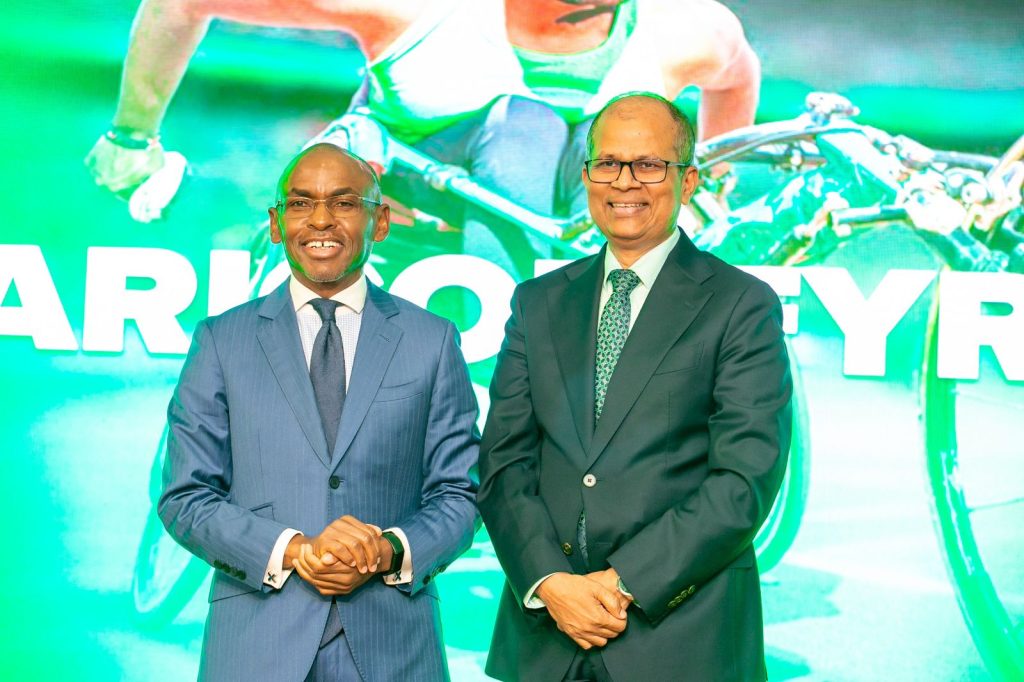
Group CEO Peter Ndegwa said the results reflected solid execution during the first year of Safaricom’s five-year growth strategy.
“We delivered strong performance, with acceleration in the second half, surpassing Group guidance with outstanding Kenya performance,” Ndegwa said.
Safaricom’s business in Kenya remained the company’s biggest revenue driver during the year under review. Service revenue from the Kenyan market grew by 10 per cent to KES400.8 billion, while earnings before interest and tax increased by 15.3 per cent to KES182.3 billion.
The company said growing demand for digital services, internet connectivity, and mobile financial services continued to push growth across its core business lines.
Mobile data revenue rose by 18.3 per cent to KES92.9 billion as more customers consumed online content, digital entertainment, and internet-based services.
Meanwhile, M-PESA maintained its position as one of Safaricom’s strongest revenue streams, with income from the mobile money platform growing by 13.4 per cent to KES182.7 billion.
The service now has 41 million active users, reflecting the increasing reliance on digital payments by households and businesses across the region.
Safaricom also pointed to encouraging progress in Ethiopia, where the company has continued to invest heavily since entering the market.
The Ethiopian business contributed 12.5 per cent of the Group’s service revenue growth during the financial year, with subscriber numbers rising to 13.6 million customers.
Safaricom said its network in Ethiopia now covers around 60 per cent of the population through 3,504 operational sites, helping strengthen customer growth and improve service access.
Board Chairman Adil Khawaja said the company was beginning to see positive returns from its investments in Ethiopia even as expansion costs remained significant.
“We are beginning to see the benefits of scale in Ethiopia, with improving commercial momentum and narrowing start-up costs,” Khawaja said.
Across both Kenya and Ethiopia, Safaricom’s total customer base grew to 71.6 million users.
The company also highlighted its social impact programmes, saying more than 4.4 million lives were reached through initiatives supported by the Safaricom and M-PESA foundations in areas such as health, education, and economic empowerment.
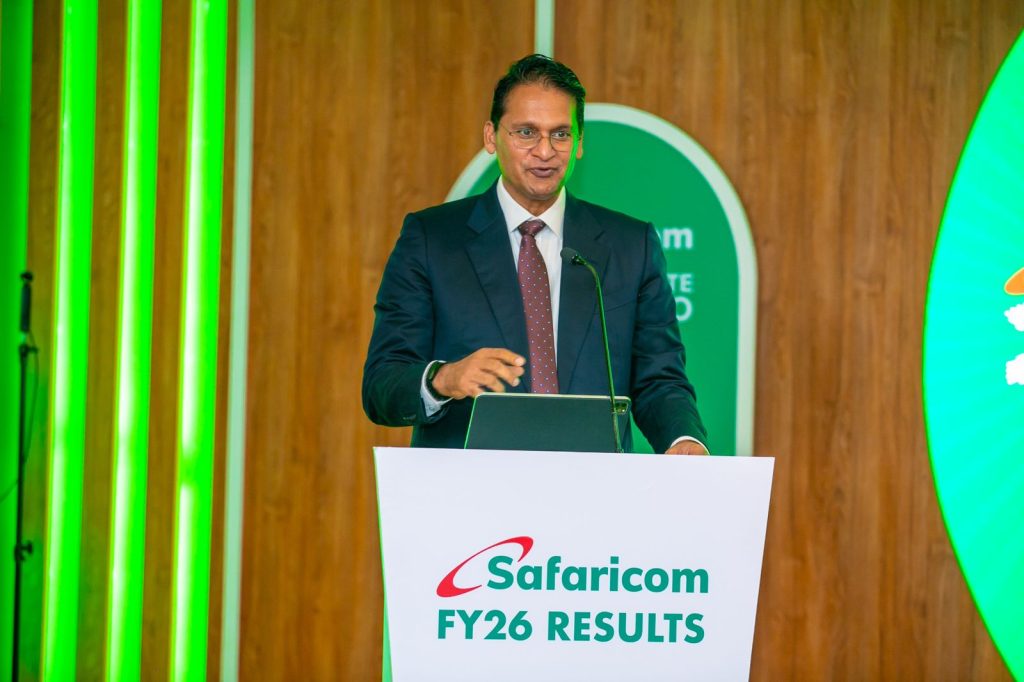
Group Chief Finance Officer Dilip Pal said Safaricom would continue investing in network infrastructure and technology systems as it moves into the next phase of its long-term strategy.
“We continue to invest in our network and IT systems to support capacity upgrades and user experience,” he said.
The latest results further cement Safaricom’s position as East Africa’s most profitable telecommunications company, even as competition in digital finance and connectivity continues to intensify across the region.