
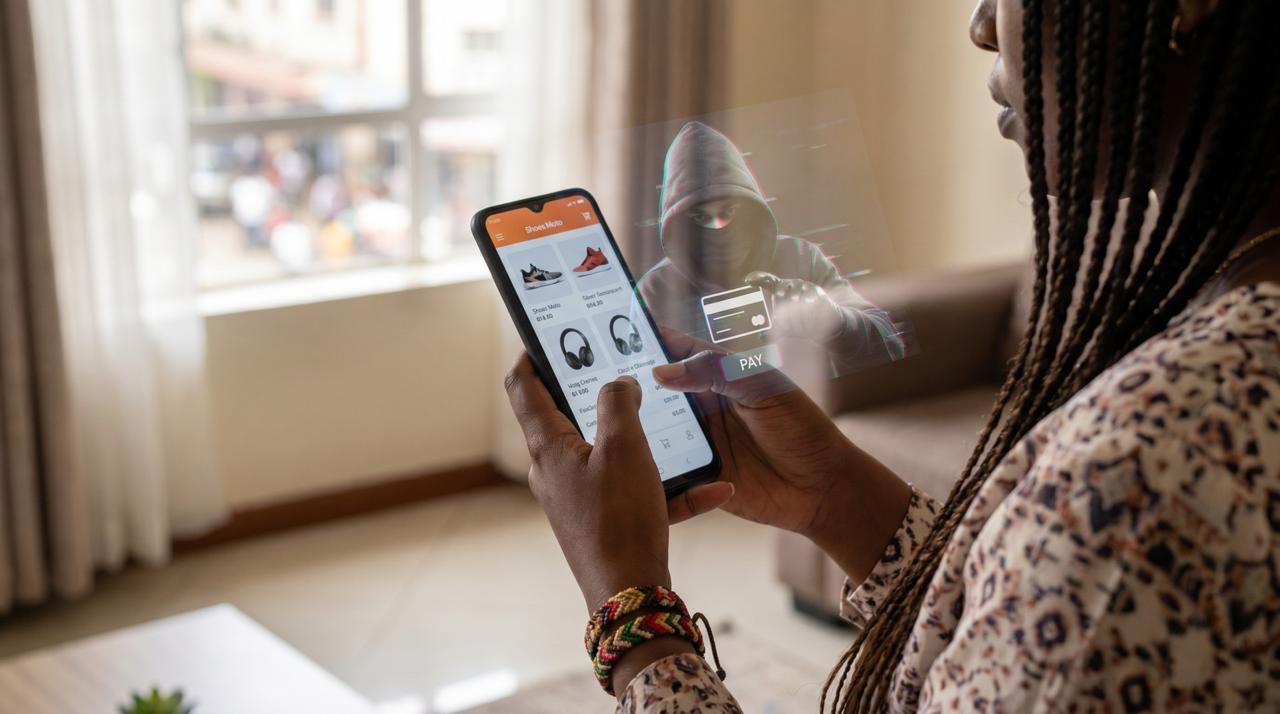
Online Fraud in Kenya is becoming increasingly sophisticated, with scammers now using legitimate online marketplaces to target unsuspecting shoppers, according to a recently released TransUnion report.
The report highlighted that Kenyans reported a median loss of Ksh108,132 to digital fraud in the past year, the highest figure recorded across every African market in the study.
Despite this, only 2.3 per cent of digital transactions in Kenya were flagged as suspected fraud, compared to the global average of 3.8 per cent.
Nearly four in every ten Kenyans who reported losing money to fraud said they had been scammed by a third-party seller operating on a legitimate e-commerce platform. In many cases, the platform itself appeared genuine, the seller looked credible, and the transaction seemed legitimate until the money was gone.
The report also identified social engineering, phishing, vishing and smishing as some of the most common methods used by fraudsters.
Beyond e commerce fraud, the report found that criminals are reaching Kenyan buyers through fake calls, deceptive text messages and manipulative emails designed to create panic and force a quick decision. Others are going further, building entirely new accounts using stolen identities, ready to borrow, spend and vanish in someone else’s name.
A Lesson from Wanjiku
She had spent three months saving to buy a laptop for her daughter, who was preparing to join university. After finding what appeared to be the right laptop on a popular online marketplace, everything seemed to check out. The reviews looked genuine, the price was reasonable and the seller responded quickly to her questions.
Just before completing the purchase, however, the seller asked her to make payment through a personal mobile money number, explaining that the platform’s checkout system was experiencing delays.
But Wanjiku paused. She remembered a message she had seen from her bank, Equity: confirm who you are sending money to before you send it. She looked at the request again. Something did not sit right.
She decided to pause and called Equity Bank’s customer care line on 0763 000 000.
After listening to her concerns, the customer care representative explained the warning signs and advised her not to proceed with the payment. The seller’s account was later flagged and removed from the platform.
Wanjiku’s daughter later got her laptop. Bought safely, from a verified seller, through a protected checkout. The saving had been worth every shilling.
How to Stay Safe When Shopping Online
Equity Bank advises its customers to always complete payments through verified platform’s official checkout and never through a personal mobile number unless you have independently verified the seller through official channels.
Before you pay, confirm that the name displayed on your Equity Mobile App matches the business you are transacting with. This single habit is one of the strongest shields available to you.
If a seller creates a sense of urgency with messages such as “only one left” or “offer expires tonight,” Equity advises customers to treat it as a warning sign rather than a reason to rush.
The bank also recommends checking when a seller account was created, as newly opened accounts with unusually positive reviews may require closer scrutiny.
If anything feels uncertain, stop. Call Equity Bank on 0763 000 000 before you proceed before proceeding.
Equity Bank also reminds customers that it will never ask for their PIN, one-time password (OTP) or account password through a phone call, text message or any other communication. Anyone who receives such a request is advised not to respond and to contact the bank directly to verify the communication.
ALSO READ: Why Kenyans Are Still Losing Money to Fraud Despite Drop in Cyber Attacks