
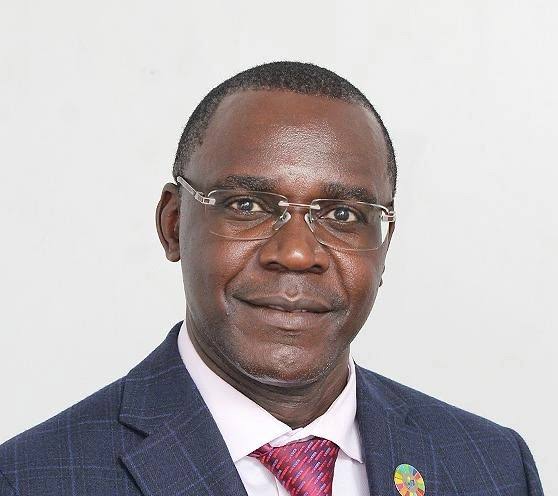
Claims circulating online about George Obel, Commissioner for the Micro and Small Taxpayers Department at the Kenya Revenue Authority, have been dismissed as false and misleading, raising concerns over misinformation targeting public officials
The allegations, widely shared online, claim that Obel is under investigation by the Ethics and Anti-Corruption Commission and the Asset Recovery Agency over unexplained wealth, and that he owns assets worth up to KSh30 billion. However, those claims have been disputed and described as inaccurate.
At the centre of the claims is Ciala Resort, which has been portrayed online as a privately owned asset linked to the commissioner. However, company records indicate the facility operates under a multi-shareholder structure, contradicting claims of single ownership.
“This is a large establishment with multiple shareholders. It is misleading to claim that it is owned by one person,” a source said, adding that official company records, including CR12 documents, confirm the shared ownership structure.
Additional claims linking Obel to a hospital and a steel company have also been disputed, with checks on company records showing no clear connection to the commissioner.
“There is no such company in existence. These claims can easily be disproven through official company records,” the source said.
The reports also claimed the commissioner earns about KSh468,000 per month. However, the figure has been disputed as inaccurate and not reflective of earnings at that level.
“That figure is closer to a mid-level managerial salary. It does not reflect what a commissioner earns,” the source explained.
Claims that the commissioner owns large tracts of land were also dismissed as exaggerated and not supported by available records
While the origin of the claims remains unclear, the allegations have emerged at a time when tax enforcement efforts are expanding, particularly among small and medium-sized enterprises.
The developments come at a time when scrutiny around tax compliance is intensifying, placing agencies such as the Kenya Revenue Authority under increased public attention.
Analysts note that the spread of unverified information targeting officials involved in enforcement roles could undermine confidence in key institutions and complicate compliance efforts.
The case highlights growing concerns over the spread of unverified information online.
As Kenya continues to strengthen its domestic revenue systems, maintaining trust in institutions and ensuring accurate public information remains critical to supporting a stable business environment.
Efforts to obtain an official comment from the Kenya Revenue Authority on the matter were unsuccessful by the time of publication.