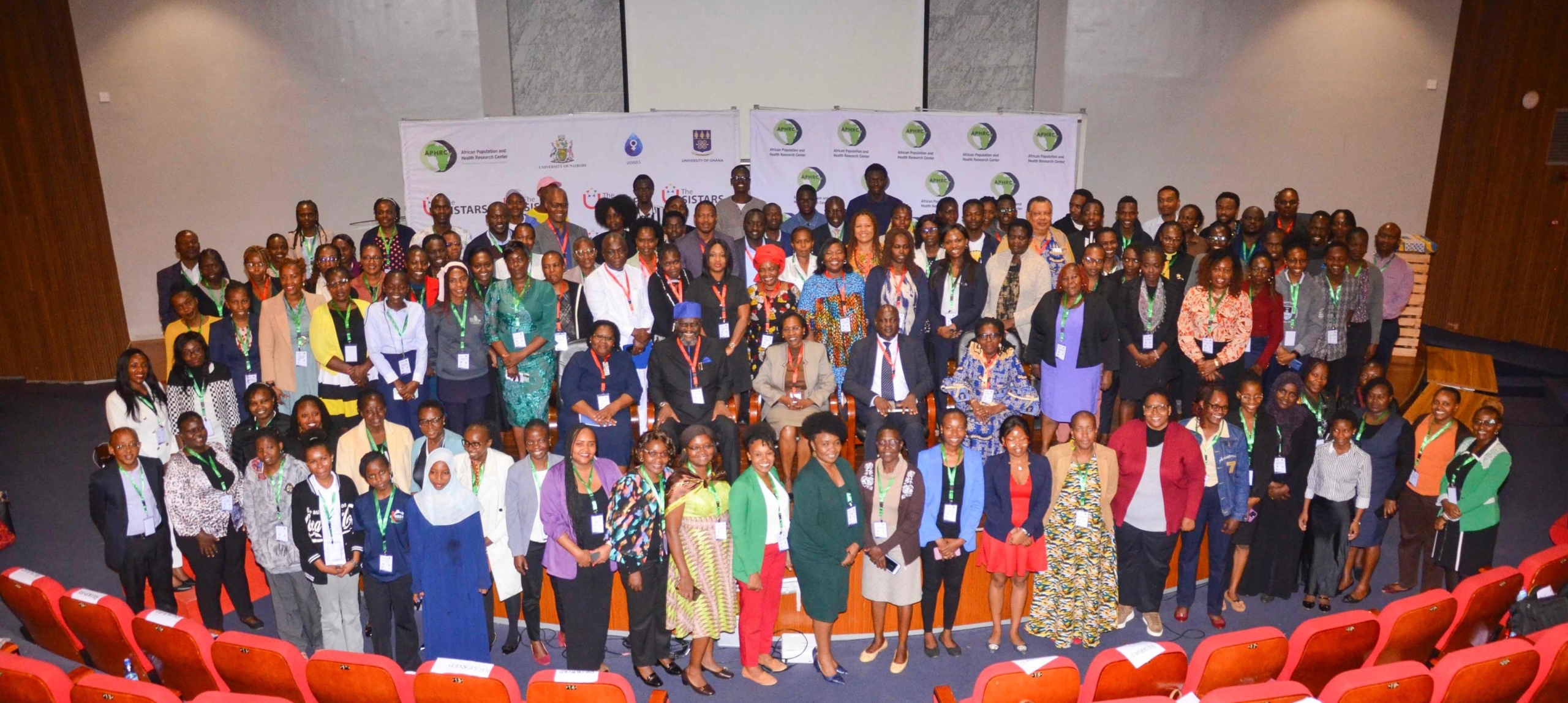
Women in STEM took centre stage at the University of Nairobi on June 19, 2025. Experts, scholars, and change-makers convened for a workshop dedicated to dissemination under the SISTARS project which is aimed on a transcontinental initiative changing the narrative of women’s participation in science, technology, engineering and mathematics into more advanced levels.
The event, hosted in collaboration with The University of Ghana, APHRC and WIWAS brought together Experiences Network (WIWAS), industry-academia leaders who have lived and worked through the challenges the project seeks to solve. Featured in the event sharing powerful stories on mentorship , institutional support , structural change and its implications towards their life trajectories.
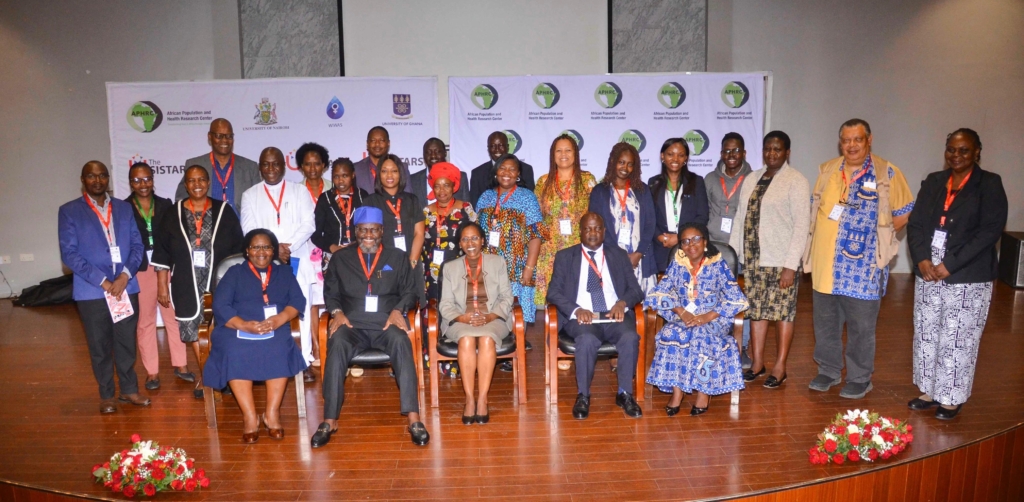
The workshop included keynotes and expert panel discussions alongside practical lessons from Kenya and Ghana
Prof. Siphila Mumenya, Dean of the Faculty of Engineering at the University of Nairobi, shared a deeply personal reflection. “It’s been nearly 70 years since this faculty was founded, and I am the first female Dean. That says everything,” she remarked.
From her student days as the only woman across four engineering departments with no ladies’ washroom to now where she’s still often the only woman in leadership meetings, Prof. Mumenya gave an honest reflection on what it means to lead in a space never designed for you.
“Support from family isn’t a luxury it’s the foundation,” she said, recalling how many women she’s known including a colleague who dropped out of her master’s studies due to pressure at home, simply didn’t get the chance to rise.
Her call was clear: we must build environments that don’t just accommodate women but champion them.
The SISTARS Project short for Transforming Institutions to Advance Women Leaders in STEM was created to address exactly this.
Backed by academic and policy partners from Kenya and Ghana, the project has focused on understanding the deeper reasons why women often exit the STEM field before they reach leadership roles.
The aim is not only to research these barriers but also to transform them.
From extensive research within both universities and STEM-based industries, the project uncovered four underlying layers of obstacles for women.
At a systemic level, there are still traditional stereotypes and a lack of female presence inhibiting entry into key positions.
In the workplace and society, discrimination, unconscious bias, and limited mentorship hinder progress.
At home, a majority of women balance family responsibilities with career growth. And at the personal level, loneliness, doubt, and a lack of visible role models take their toll.
The guest speaker of the day, Dr. Wale Akinyemi, emphasized that the environment is the major driver of performance. There must be transparent and open communication, democratization of ideas, ownership and recognition, clarity of vision and expectation, and fearlessness of accountability
For Lucy Njambi, a Kenyan water engineer, the biggest turning point came after her master’s degree. “I returned to a workplace where I was the only female engineer,” she said. “There was no support system no mentorship and that isolation made everything harder. If a project like SISTARS existed back then, my journey would have been very different.”
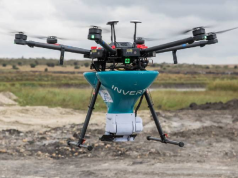
Florence Tanui, a hydrogeologist with UNESCO, shared similar struggles. Despite building groundbreaking tech to monitor landslides using drones, her work was often overlooked despite its innovation. In the UK, she was one of only four women in her university class.Eventually, she chose to return to Kenya and build her own path.
“SISTARS reminds us that it’s okay to say no to broken systems and yes to ourselves.”
She spoke of the many invisible barriers women face in male-dominated fields from the lack of female restrooms in her early days as a student to being the only woman in leadership meetings even today. “The system wasn’t built for us,” she said. “But we’re changing that.”
For both Kenya and Ghana, researchers investigated the impact of early exposure to science and mentorship on women’s career trajectories.
In Ghana, as domestic interviews with female leaders revealed, mothers along with certain educators played a vital role in nurturing interest in STEM fields.
Even for qualified women, breaking into leadership positions greatly depended on robust supportive structures.
Besides discussing issues during the workshop, participants actively worked toward solving them. There was one common message throughout the session: mentorship is critical. A good number of women do not succeed because there are no barriers; rather they achieve success because someone helped them by saying, “I believe in you.”
In addition to other topics, the workshop addressed what institutions can do to support change actively. Prof. Mumenya urged policies that advance mid-level overall maintenance structures alongside safe infrastructural spaces for women including adequate lactation rooms and work-life balance measures.
She further called out institutions to solve gender inequality more decisively at all levels but especially at the leadership positions.
The presence of top officials from across the region including leaders from the University of Nairobi, University of Ghana, UNESCO, KNATCOM, WASPA, and water agencies such as Lake Victoria North and Tana Water Works underscored the seriousness of the moment.
What’s different about SISTARS is that it doesn’t just highlight problems it builds solutions among the very individuals who are experiencing them.
From co-designing leadership training, testing new models of mentorship, or fighting to transform institutions and systems, the project is committed to the day-to-day lives of the women it’s serving.
By the end, one message echoed in the rooms: SISTARS is not a project. It’s a movement. It’s about reshaping the rules so the next generation of girls from across Africa who dream of becoming scientists, engineers, and technology leaders and have the support to get there.
As one speaker beautifully said, “This isn’t just about us. It’s about the girl who’s watching and believing that she belongs.”