
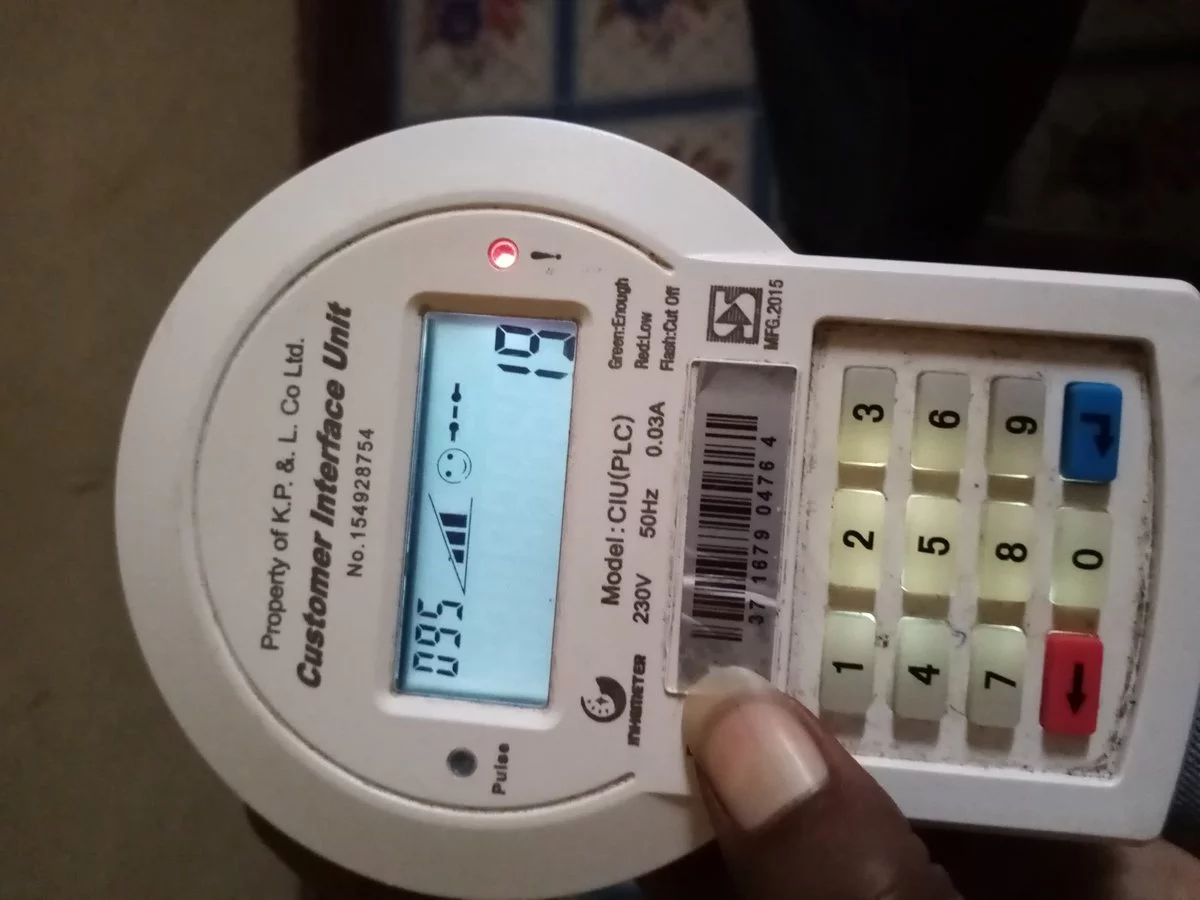
Many Kenyans have recently complained that the amount of electricity tokens they receive has reduced even when they buy the same amount of power. Now, the chief executive of Kenya Power, Joseph Siror, has explained why this is happening.
Speaking during an interview on KTN News on Tuesday, Siror said several factors affect how many electricity units a customer receives after buying tokens. These include how much power a household uses, the tariff category they fall under, and whether they have any unpaid electricity bills.
Siror said the idea that electricity is always expensive can depend on how much power someone uses at home. According to him, households that use very little electricity are placed under what is known as the lifeline tariff, which is a cheaper rate meant for low consumption.
“The perception that electricity is expensive is subjective. If you turn on five or ten bulbs that are 5 watts each, that is about 50 watts. If you ran them for 20 hours, you would still be within the lifeline category. That would just be about a single unit, which costs roughly Ksh12 and about Ksh16 with taxes,” Siror explained.
However, he noted that homes that use more power especially those running equipment like water pumps, electric cookers, or even swimming pools will naturally spend more money on electricity because their consumption is higher.
Siror also said part of the cost of electricity goes into building and maintaining the country’s power infrastructure. This includes the transmission lines and distribution networks that deliver electricity from power plants to homes and businesses across the country.
“Putting up and maintaining that infrastructure is quite expensive. Much of our energy is green, like geothermal, which requires significant investment,” he said.
Kenya relies heavily on renewable energy such as geothermal power. While this type of energy is cleaner and better for the environment, Siror explained that the equipment and infrastructure needed to produce it can be costly.
The explanation comes just weeks after customers complained that the number of units they get from tokens has dropped. Some said that Ksh3,000, which previously bought more than 115 units, now gives them around 94 units.
Kenya Power said this can also happen when a customer has outstanding electricity bills. In such cases, part of the money used to buy tokens is automatically deducted to clear the debt.
The company said up to 20 per cent of a token purchase may go toward paying arrears. For example, if a customer buys tokens worth Ksh3,000, about Ksh600 may first be used to settle the pending bill before the remaining amount is converted into electricity units.
Kenya Power also noted that households using more than 100 units per month are automatically moved to a higher tariff known as the domestic ordinary tariff, which is more expensive than the lifeline category.
READ ALSO: Kenya Nuclear Power Plant Plans Take a Powerful Leap as KenGen Named First Operator