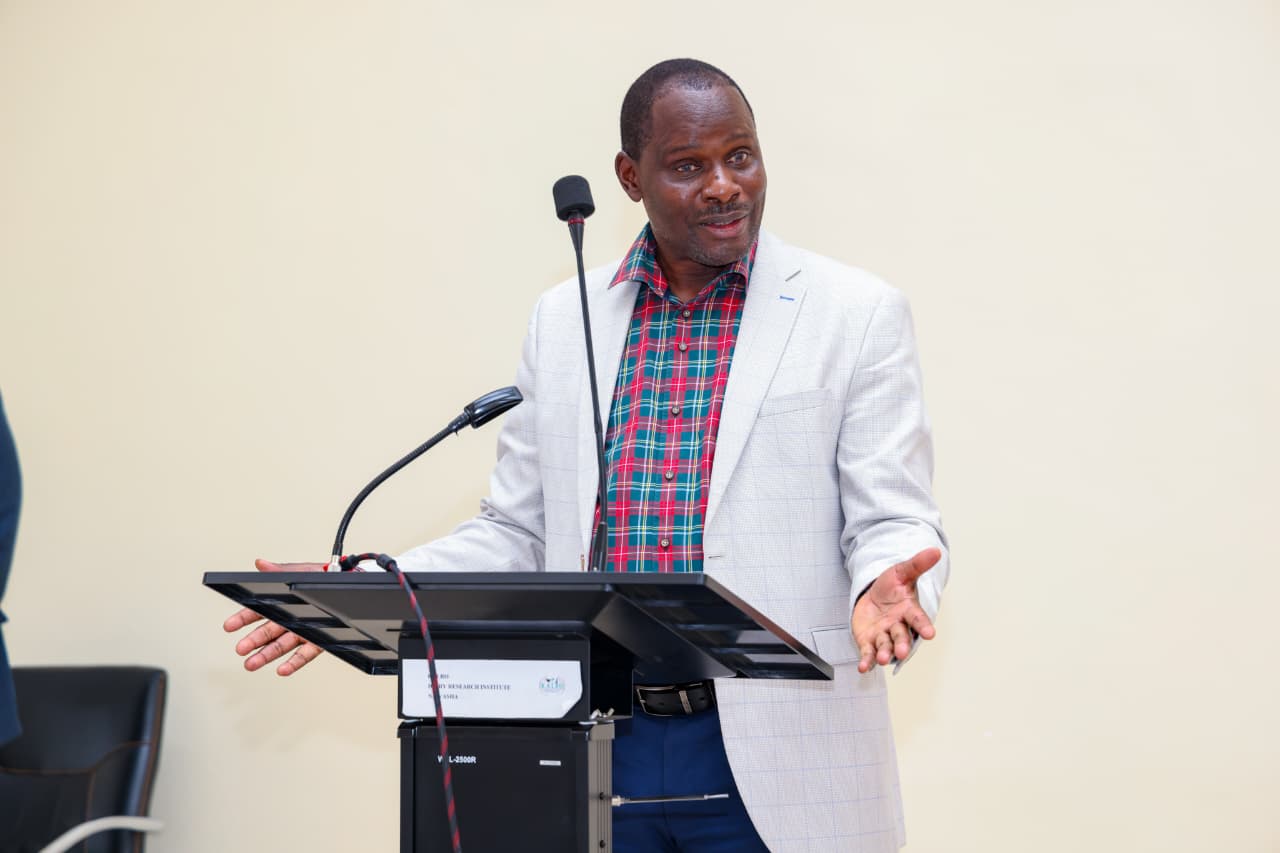
Kenya has taken a bold step forward in strengthening how public resources are managed, with Principal Secretary Cyrell Odede Wagunda officially opening a high-level workshop in Naivasha to enhance the PIMIS digital governance framework.
The event, held at the Kenya Agricultural and Livestock Research Organization (KALRO) grounds, signaled a renewed commitment to modernizing public investment management through technology.
Government Strengthens Accountability Through PIMIS Digital Governance
In his remarks, the PS underscored that the PIMIS digital governance system is far more than a technical platform it is a backbone of accountability, transparency, and efficiency within government.
Developed under the Public Finance Management (Public Investment Management) Regulations of 2022, the system digitizes the full public investment cycle, from project identification and feasibility analysis to budgeting, implementation, monitoring, evaluation, and project closure.
“Since its deployment, PIMIS has recorded commendable progress. Over 600 new concept notes have been captured, and more than 2,000 legacy projects have been successfully migrated,” PS Odede said.
He noted that this progress has improved real-time visibility of government investments, strengthened accountability, and ensured that public funds are allocated efficiently to maximize value for citizens.
These gains highlight how PIMIS digital governance is shaping more evidence-based decision-making across government.
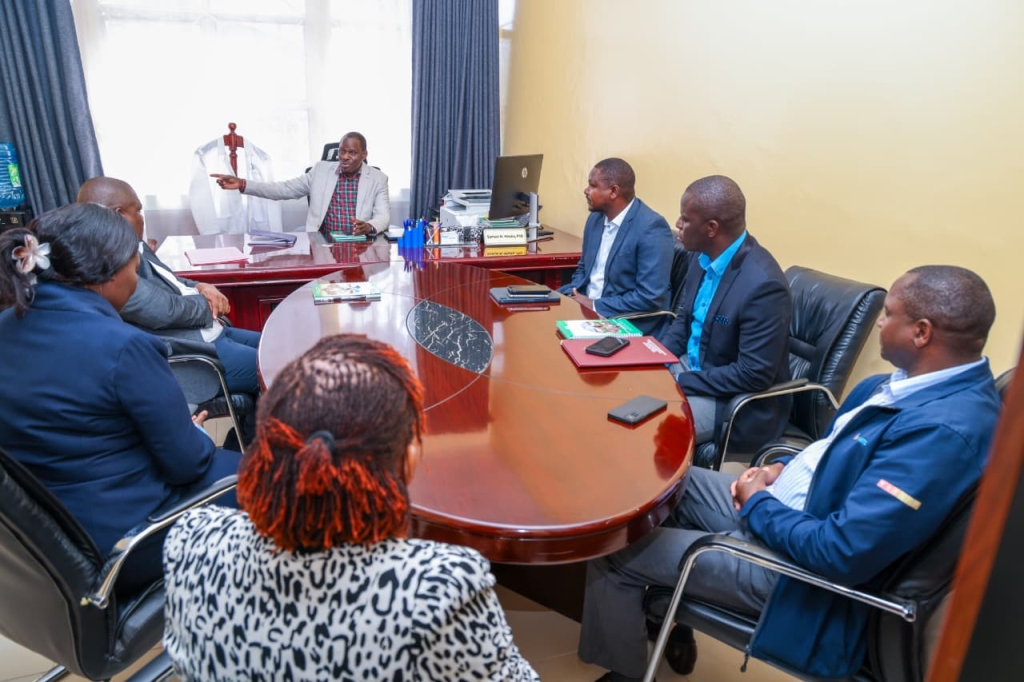
However, the PS emphasized that the journey is entering a defining moment. Kenya is now transitioning from consultant-led setup to full government ownership of the system.
This shift requires addressing key gaps including integration with IFMIS, e-GP, and KRA iCMS, refining workflows, improving documentation, strengthening user support, and establishing a robust national helpdesk for ministries and agencies.
“This next phase is not merely about fixing gaps,” he said. “It is about building sustainability, ownership, and confidence in a system that truly belongs to us as Government.”
The Naivasha workshop brings together stakeholders to review system performance, identify priority enhancements, and build deeper technical capacity within ministries and agencies.
Participants were encouraged to openly share experiences, highlight challenges, and propose solutions that will make PIMIS digital governance more responsive and sustainable.
PS Odede urged leaders to take pride in the system and champion it as a model of digital transformation.
Through this workshop, Kenya reaffirmed its commitment to ensuring public investments are transparent, efficient, and impactful a promise that every project will be managed with integrity and long-term vision under the PIMIS digital governance framework.
Read Also: Kenya Unveils SERA.ai, a New AI Tool to Speed Up Health Policy Making