
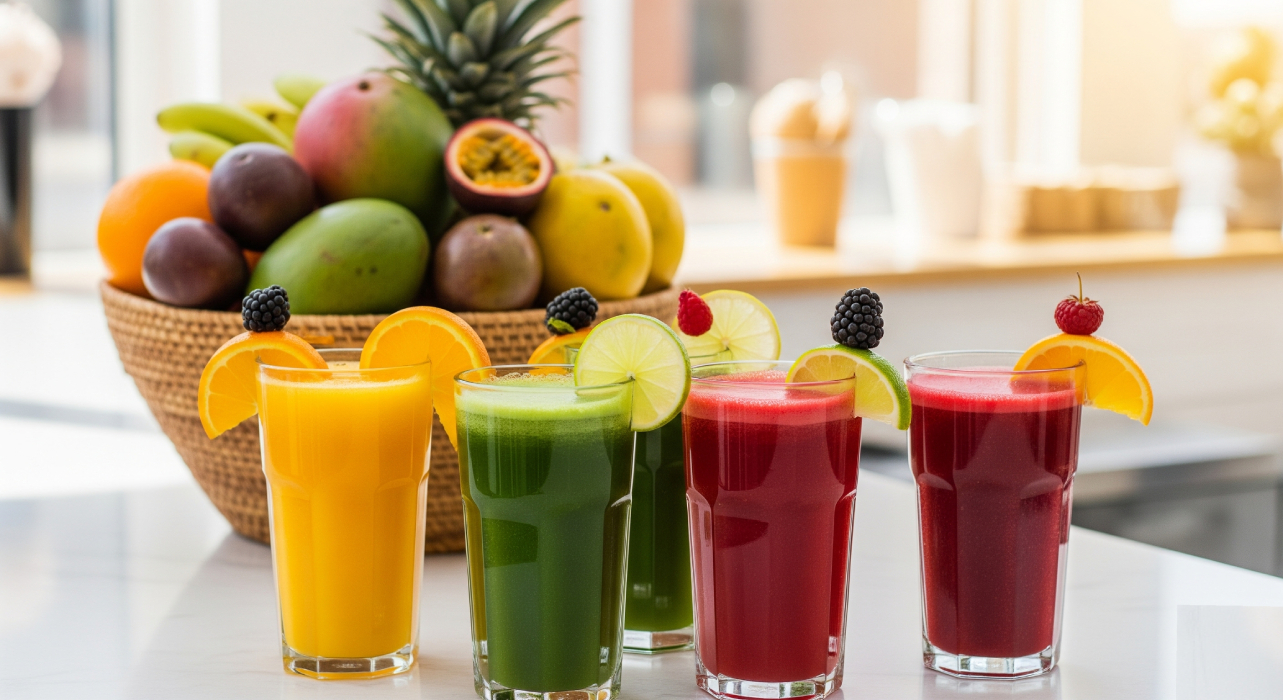
Kenyans are becoming more health-conscious every day. People are moving away from sugary sodas and looking for natural, fresh alternatives. This shift has created a massive opportunity for anyone looking to start a juice business in Kenya.
Whether you want to open a small street-side juice bar or a professional bottling plant, this guide will show you exactly how to build a successful juice business.
1. Why Start a Juice Business in Kenya?
The demand for healthy drinks is at an all-time high. A juice business is attractive because:
- High Profit Margins: Fruits are relatively cheap when bought in bulk from local markets like Marikiti or Gikomba.
- Low Entry Barrier: You can start a small juice business with as little as Ksh 50,000.
- Scalability: You can start with one blender and grow into a large-scale production company.
2. Market Research and Planning
Before spending any money, you must understand your target audience. Are you selling to gym-goers, office workers, or school children?
- Location is Key: Place your juice business near high-traffic areas like bus stops, hospitals, fitness centers, or busy office blocks.
- Menu Selection: Don’t just offer “Orange Juice.” Experiment with blends like “Mango-Passion,” “Beetroot-Apple,” or “Sugarcane-Ginger” to make your juice business stand out.
3. Legal Requirements and Licenses | What you need to start
To run a legal juice business in Kenya, you need to comply with health and safety regulations.
- Single Business Permit: Obtained from your County Government (e.g., Nairobi, Mombasa, or Kiambu).
- Food Hygiene Permit: A health inspector will visit your premises to ensure it meets sanitary standards.
- Food Handler’s Certificate: Every person working in your juice business must have a medical certificate (valid for 6 months).
- KEBS Standardization Mark: If you plan to bottle and sell your products in supermarkets, you must get certification from the Kenya Bureau of Standards (KEBS).
4. Essential Equipment for a Juice Business
To produce high-quality juice, you need the right tools. For a medium-sized juice business, budget for:
- Commercial Blenders and Juicers: Heavy-duty machines that can run all day.
- Refrigerators/Coolers: To keep the fruits fresh and the juice chilled.
- Stainless Steel Prep Tables: For hygiene and easy cleaning.
- Display Units: Transparent dispensers that show off the vibrant colors of your juice.
5. Sourcing Your Ingredients
A successful juice business depends on the quality of its fruits.
- Buy Local: Source from major wholesale markets to keep costs low.
- Contract Farmers: As you grow, consider buying directly from farmers in regions like Makueni (for mangoes) or Meru (for passion fruit).
Frequently Asked Questions (FAQs)
How much capital do I need to start a juice business in Kenya?
A small juice bar can start with Ksh 50,000 to Ksh 100,000. This covers a basic blender, initial fruit stock, rent deposit, and licenses. A large-scale production line can cost over Ksh 500,000.
Is a juice business profitable in Kenya?
Yes. On average, a cup of juice costs about Ksh 30 to produce but sells for Ksh 70 to Ksh 150, depending on the location. This offers a profit margin of over 50%.
Do I need a KRA PIN for my juice business?
Yes. You need a personal or company KRA PIN to apply for business permits and to remain tax-compliant.
Important
- eCitizen Portal – For business registration and permit applications.
- Kenya Bureau of Standards (KEBS) – For food safety and quality standards.
- KRA iTax – For tax registration and returns.
- Ministry of Health Kenya – For public health guidelines and food handling policies.
Starting a juice business in Kenya is a smart move for any entrepreneur. By focusing on hygiene, great taste, and a good location, you can turn a simple blender into a thriving empire. Start small, listen to your customers, and always prioritize quality!
READ ALSO; How to Start a Limited Company in Kenya