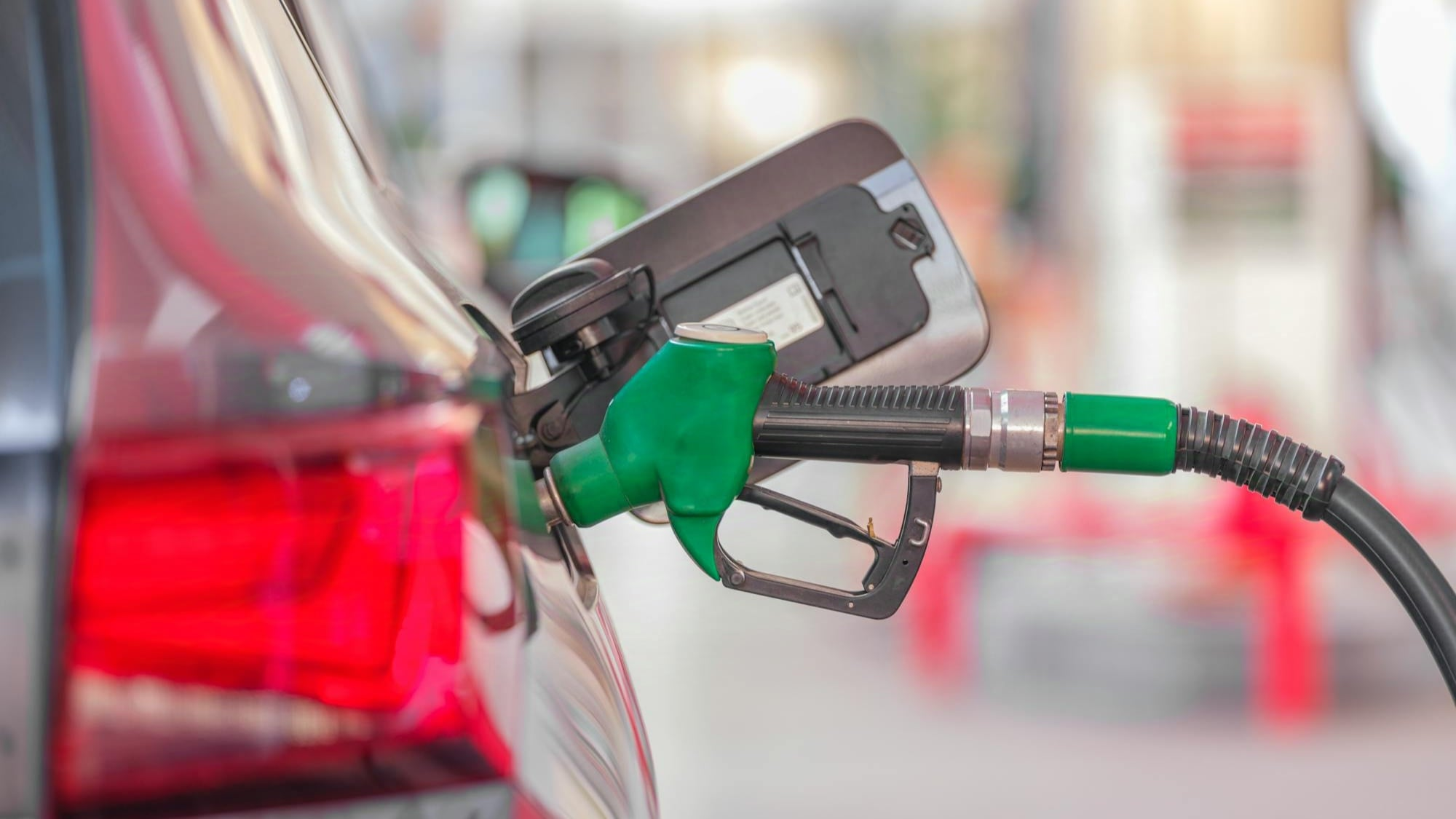
Kenyans could soon pay more for fuel, with dealers warning that petrol prices may go up in the next review.
Industry players say the increase could range between Ksh30 and Ksh60 per litre starting April 14. If this happens, the price of petrol could rise to about Ksh231 per litre.
According to Martin Chomba, who heads the Petroleum Outlets Association of Kenya (POAK), the current prices are still being held down by older fuel stocks that were imported before global oil prices went up.
He explained that newer shipments are coming in at a higher cost, and that change is likely to reflect in the next pricing cycle.
“The prices people are paying now are for older stock. The new fuel is more expensive, so prices will have to adjust,” Chomba said.
He also pointed to what is happening in the region, noting that Tanzania recently raised fuel prices by more than 30 per cent. According to him, Kenya may not avoid a similar move.
Chomba warned that keeping prices low for too long could create shortages. He said the country depends heavily on imported fuel and does not have enough reserves to last long if supply is disrupted.
“We don’t have large reserves. What is available can only last about three to four weeks. If there are delays in shipments, we could face challenges,” he said.
However, the government has sought to reassure the public. Government spokesperson Isaac Mwaura said there are no immediate plans to increase fuel prices.
He noted that fresh fuel shipments for April have already arrived, and the situation is being closely monitored.
“There is no cause for alarm at the moment. We have enough supply and we are managing the situation,” Mwaura said.
Even with that assurance, some fuel dealers, especially in smaller towns, say they are already facing delays in getting supply. In some areas, fuel is available in storage but has not yet reached petrol stations.
In addition, there are concerns regarding the quality of certain import products, especially the sulphur content of some fuel in stock being higher than that permitted.
As Chomba pointed out, after arriving at the Port of Mombasa, fuel is held in tanks maintained by the Kenya Pipeline Company among others. However, the ownership of this fuel remains with the respective importers.
Afterward, clearance from the Kenya Revenue Authority is needed before the fuel is put into the market, a procedure that could take several days.
Although government intervention through means such as the Petroleum Development Levy will protect consumers in case of rising global prices, the latter will continue to remain the dominant factor in the pricing of fuel.
With the next price review just days away, many motorists are now waiting to see whether the expected increase will take effect.