
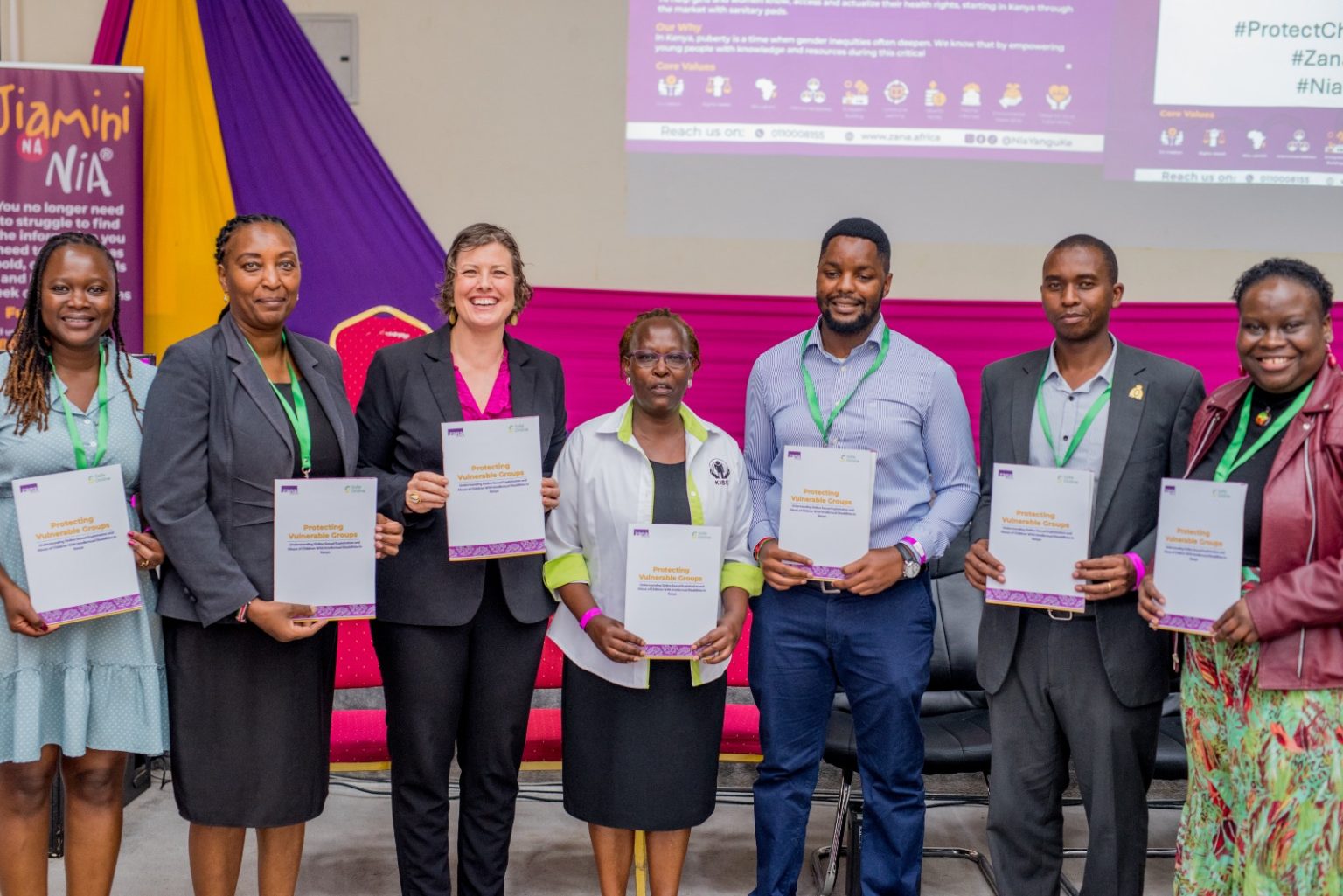
Child protection experts are sounding the alarm after a new report revealed a disturbing surge in online sexual exploitation and abuse (OCSEA) targeting children with intellectual disabilities in Kenya.
The study has reignited urgent calls for comprehensive reforms to shield this vulnerable group from growing digital threats.
The report, titled “Understanding Online Sexual Exploitation and Abuse of Children with Intellectual Disabilities,”points to rising risks and a lack of inclusive legal protections.
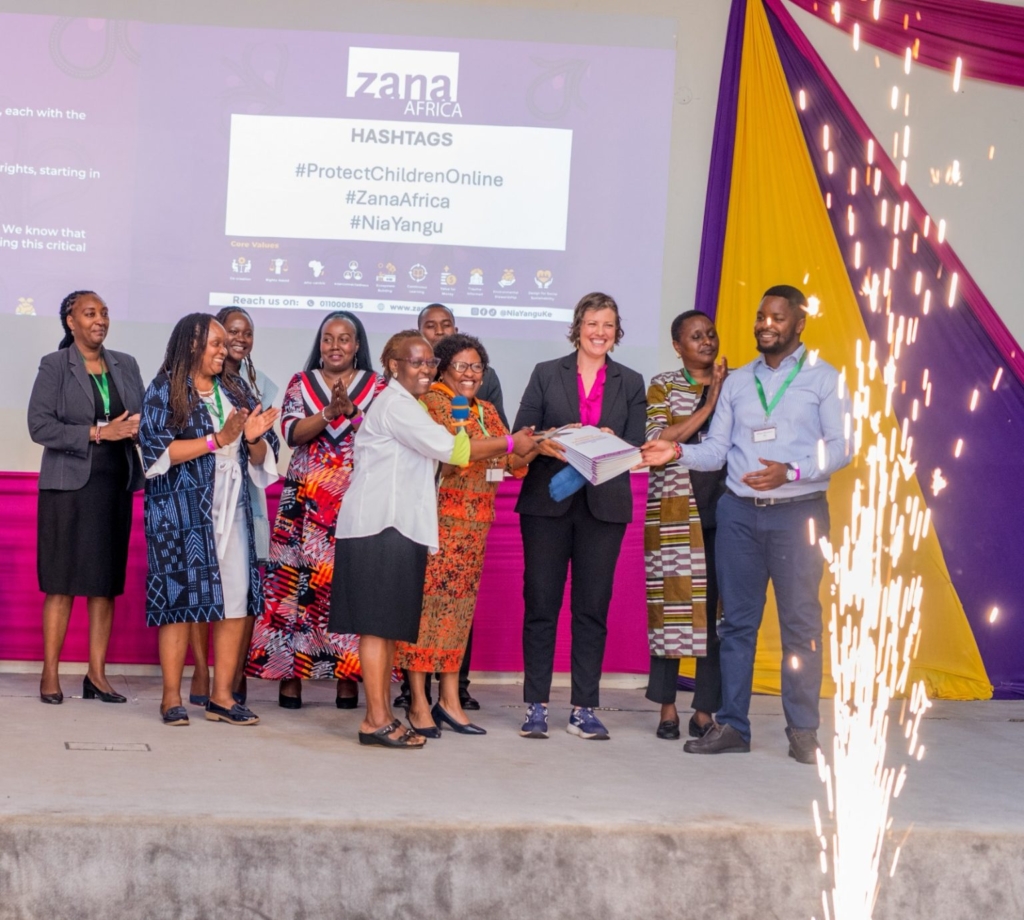
Experts emphasize that systemic gaps in education, legislation, and digital literacy are leaving children with disabilities dangerously exposed.
“The rise is alarming, and it cuts across all social classes,” said Ms. Josephine Kisulu, Dean of Studies at the Kenya Institute of Special Education. She highlighted how increased internet access has coincided with higher rates of abuse and urged the government to take immediate action.
Commissioned by ZanaAfrica and allied child rights organizations, the report found that children with intellectual disabilities are particularly vulnerable due to communication challenges, limited digital literacy, and a trusting nature.
A Lifelong Mission to Safeguard Vulnerable Children
ZanaAfrica Founder Megan White Mukuria, who has worked in Kenya for over two decades, spoke passionately at the report’s launch. “I made a decision early on: my life’s work would focus on unlocking opportunities for children. And that begins with safeguarding,” she said.
ZanaAfrica’s impact includes distributing sanitary products and health education to over 100,000 girls monthly and supporting more than 10,000 users through its Nia Health Link platform.
The organization also partners with the Kenya Institute of Curriculum Development to embed life skills in education, potentially reaching 13 million learners.
“Eighteen million children are already online,” Mukuria warned. “Let’s act now before scale turns into crisis.”
Digital Dangers Demand Systemic Change
Beatrice Jane, Executive Director of ZanaAfrica, reinforced the urgency. “When adolescents struggle during this critical phase of their lives, the consequences are severe,” she said, citing risks such as school dropout, gender-based violence, and chronic poverty.
While acknowledging recent policy gains like the 2022 Children Act and the 2024 OCSEA guidelines Beatrice insisted legal updates alone are insufficient. “The digital space evolves constantly. We need to stay ahead of the threats.”
The Nia Learning program has already reached over half a million youth, and its digital hotline collects abuse data and supports real-time response.
Inclusive Solutions Must Involve Children Themselves
Alice Onsarigo, Program Manager at ZanaAfrica, noted that this research fills a long-standing gap. “Few studies focus on the digital risks faced by children with intellectual disabilities. This one brings their experiences into the spotlight,” she said.
Wilson Macharia, Legal Advisor at the International Commission of Jurists, called for directly involving affected children in the development of online safety strategies. “Their input ensures solutions are both effective and responsive,” he said, also urging more data-driven approaches to policy.
Key Recommendations from the Report:
- Run nationwide OCSEA awareness campaigns
- Train parents and caregivers in digital safety
- Enact specific laws targeting online exploitation
- Strengthen child protection, justice, and reporting systems
- Provide trauma-informed training for teachers
Officials from the Ministry of Education, Department of Child Services, and Kenya Institute of Curriculum Development attended the launch, emphasizing that inclusive digital protections must become a national priority.
“Kenya’s digital future must include every child,” said Mukuria. “And that means protecting the most at risk starting now.”