African public servants are set to benefit from specialized training in artificial intelligence (AI) and digital skills following the launch of a new academy by Qhala and Apolitical, a global learning platform for government.
The two organisations signed a Memorandum of Understanding (MoU) to create the Q-Academy, a dedicated space on Apolitical’s platform that will provide policymakers across Africa with access to advanced AI learning resources.
Through the partnership, Apolitical will open up its Government AI Campus (GAIC) already used by more than 270,000 public officers worldwide to 500 African policymakers.
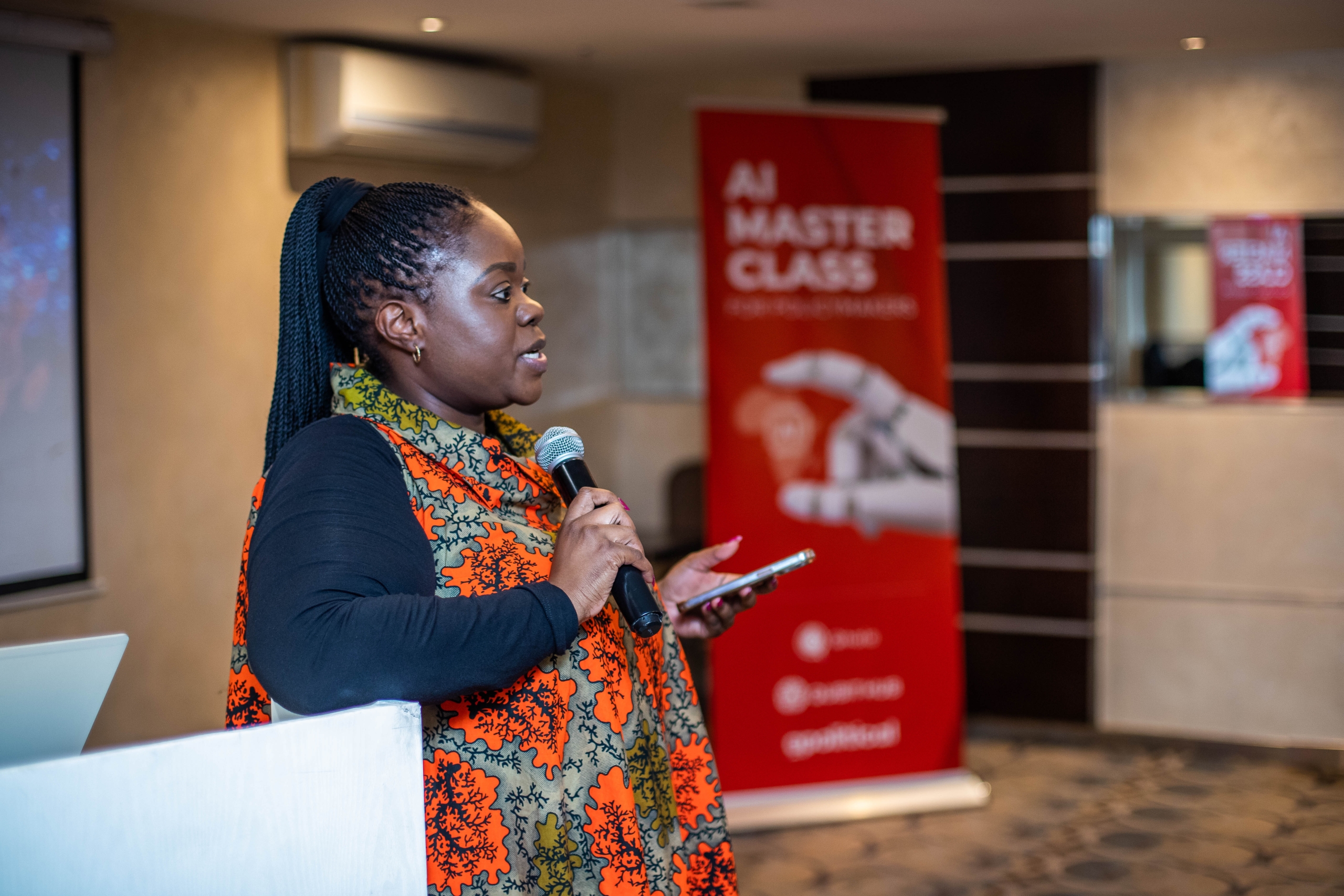
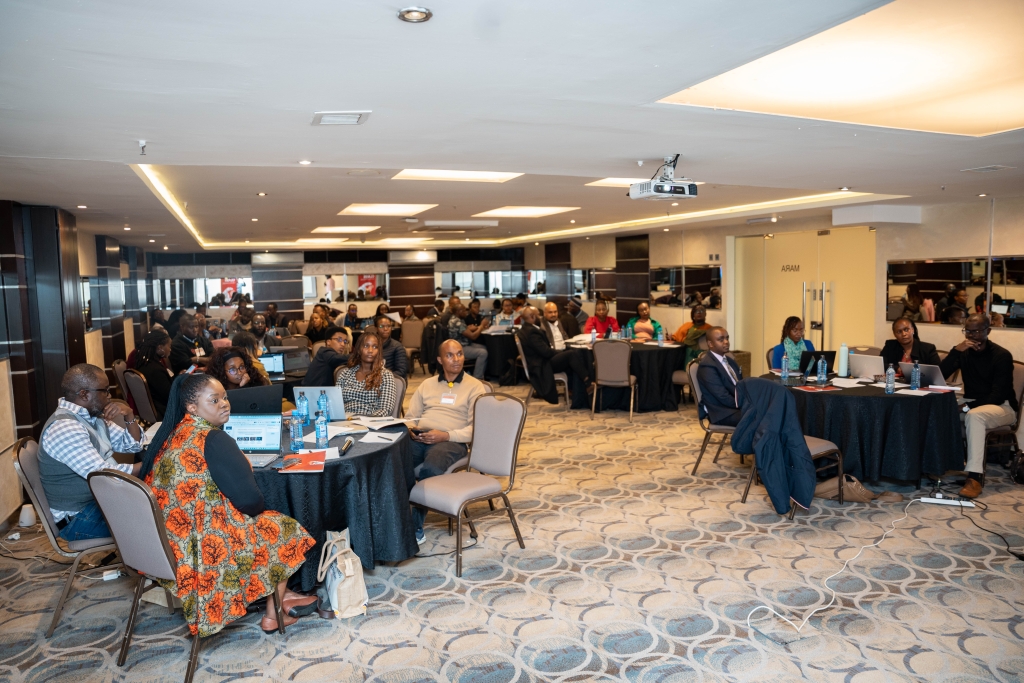
Qhala will complement this by delivering AI literacy masterclasses tailored to African realities, ensuring the knowledge is practical and directly applicable to governance, policymaking, and service delivery.
Qhala has previously piloted the masterclasses in Kenya, Cameroon, and at the African Health Agenda International Conference in Kigali, and now recruits its first group of African policymakers onto the new platform.
“This collaboration is about providing African policymakers with the capacity they need to harness the benefits of AI for public good,” said Dr. Shikoh Gitau, Qhala CEO. “By localizing international expertise to local contexts, we are bridging the innovation-action gap in government.”
She noted that the first 500 learners will come from Kenya, Cameroon, Rwanda, South Africa, Nigeria, and Senegal.
Robyn Scott, Co-Founder and CEO of Apolitical, added: “We are proud to partner with Qhala to expand access to the Government AI Campus in Africa.
The AI Campus’s high-quality training, now available via the Academy, will help ensure public servants have the knowledge and skills they need to deliver for citizens in an AI-driven future.”
According to Rachel Osendo, Lead Policy Consultant at Qhala, the Q-Academy will provide curated courses, practical tools, and real-world examples. “Whether you’re a policymaker, technologist, analyst, or executive, you’ll find tailored learning pathways to help you understand, adopt, and lead with AI in your institution,” she said.
The initiative comes at a critical time as Africa sharpens its focus on artificial intelligence, with frameworks such as the African Union’s AI continental strategy, the Africa AI Declaration establishing the Africa AI Council, and national AI strategies already launched in about 20 countries including Kenya, Rwanda, and Nigeria.
“The efforts of Q Academy go beyond training; it’s about future-proofing governance systems with responsible AI that ensures equity, gender inclusion, and solutions tailored to local contexts,” Osendo added.
The Academy was officially unveiled on 29 September 2025.
Read Also: Students Turn Smartphones Into Robots at CogLabs Mobile-First AI Workshop