
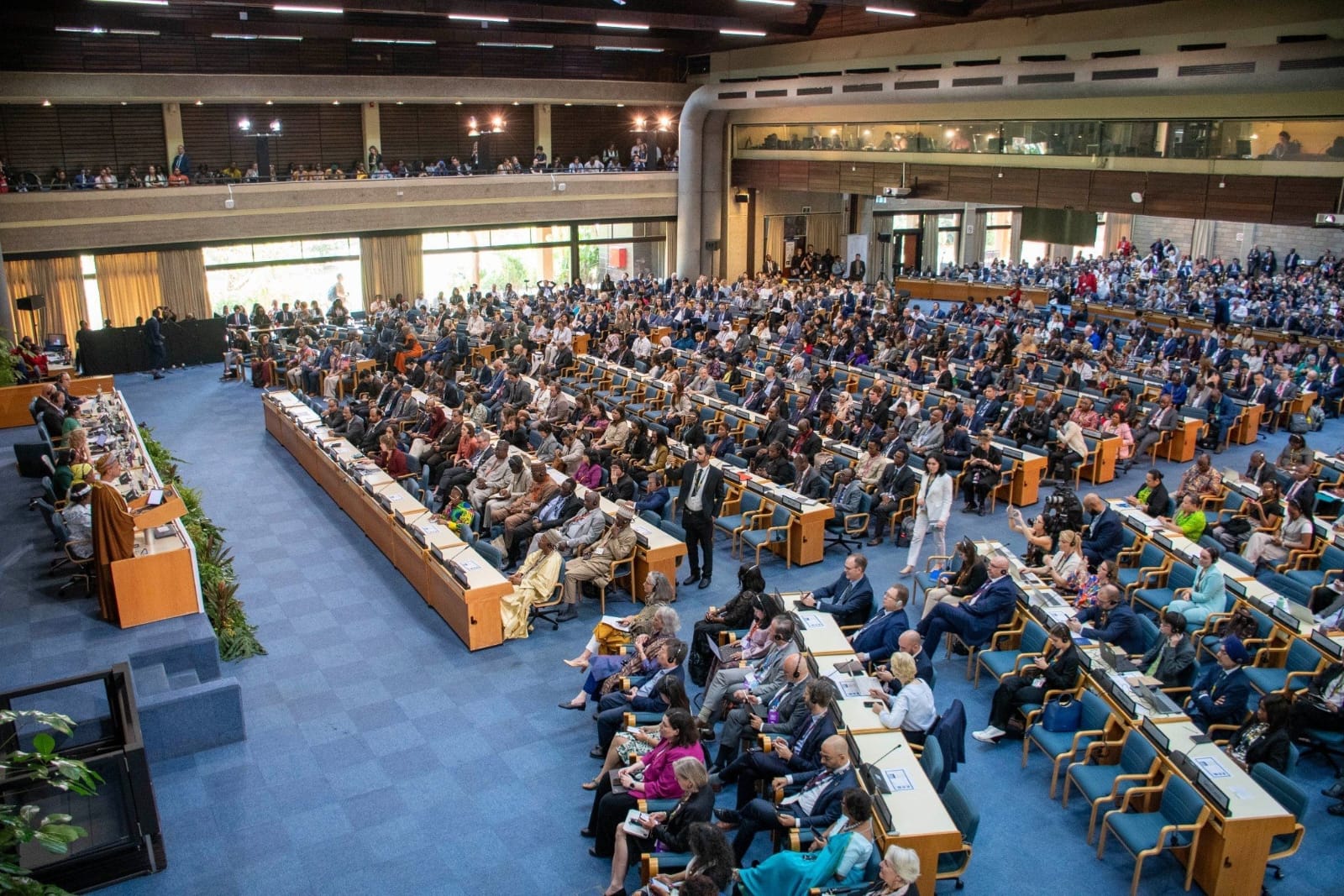
A historic milestone achieved on the global platform is that of Kenya, as it led to the adoption of United Nations’ very first resolution on sustainable AI at UNEA-7. This historic resolution ranks Kenya as an essential voice on matters involving the intersectionality of artificial intelligence and environmental preservation on a global platform.
Adopted under the theme “Advancing sustainable solutions for a resilient planet,” the resolution marks a milestone in the international debate on responsible technologies and sustainable resource use. The resolution underlines Kenya’s proactive role in ensuring that the continent sets the agenda on sustainable AI governance, and not just be a passive user of innovation.
UNEA-7: A Defining Moment for Effective Sustainable AI Governance
The resolution urges that AI should foster environmental sustainability and promote resilience against and preservation of biodiversity and restoration of ecosystems.
It underscores environmentally desirable data and, particularly, interoperable data for developing countries and stresses the value of national capabilities in AI.
These considerations mirror the global movement toward sustainable AI governance and ecologically informed technological developments.
The United Nations Environment Programme (UNEP) has also been mandated with enhancing knowledge about AI’s environmental impacts and incorporating it into broader UN agendas, including the Global Digital Compact. This represents a big step forward towards providing a structured and informed approach on sustainable AI governance.
Kenya’s Special Envoy on Technology, Philip Thigo, represents the importance of this moment as he stated that “artificial intelligence will define the planet as fundamentally as it will define economies. Africa cannot be a bystander at this revolution.” His words bear importance as there needs to be a model for governance that identifies with Africa’s needs and ambitions.

This diplomatic victory stands as a result of collaborative efforts with partners such as the European Union, United Kingdom, Egypt, and African Group, with diplomatic acumen and negotiation expertise provided by Germany, Belgium, and Portugal. It created an ambitious framework for implementation.
Why It Matters for Africa and the World
When global conversations on AI dialogue are driven primarily by a handful of global superpowers, it is refreshing that UNEA-7’s resolution calls on all nations to engage as fellow stakeholders. It changes global mindsets as it integrates agendas on environmental matters and focuses on opportunities within the Global South instead.
The resolution represents a victory not only for Kenya but also for the African continent as it signals a future where African nations develop a technology ecosystems ethos that not only respects environmental boundaries but also drives growth and innovation. It also sets the stage for an increase in AI capabilities and resilience against climate change.
As AI continues to impact economies, societies, and ecosystems, it becomes increasingly clear that the leadership in Kenya shows that it is possible to align technology with planetary well-being. It emphasizes that Africa is a global participant and a global shaper of the future that will see intelligence and sustainability develop side by side.
This historic success confirms and celebrates the position that Kenya occupies as a global champion for environmental and technological diplomatic leadership and inspires the global world to embrace an AI that develops at a rate supportive and in harmony with the planet it sustains.
Read Also: Green Lending Partnership: AfDB and KCB Ink $150m Deal to Boost Climate-Smart Financing in Kenya