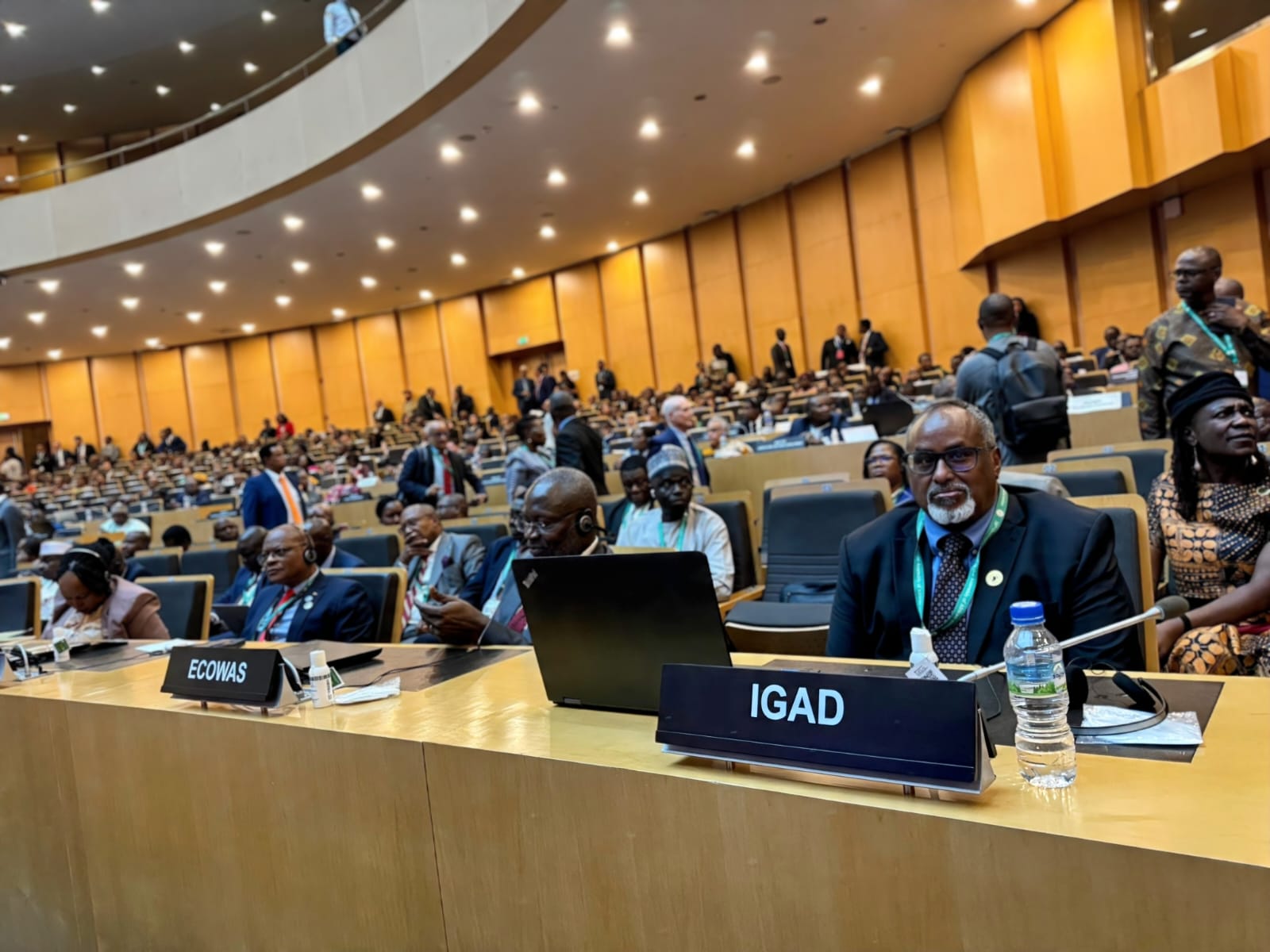
Intergovernmental Authority on Development (IGAD) Deputy Executive Secretary Mohamed Abdi Ware has defended remarks he made during a regional security summit on Somalia, saying his comments were intended to support an orderly transition of security responsibilities to Somalia forces rather than criticise the country’s leadership.
Ware issued the clarification after excerpts of his speech at the Extraordinary Summit of African Union Support and Stabilization Mission in Somalia (AUSSOM) troop-contributing countries in Entebbe, Uganda, sparked debate on social media.
In a statement released after the meeting, the IGAD official said his remarks had been taken out of context, maintaining that the regional bloc remains committed to supporting Somalia’s efforts to achieve lasting peace and security.
The summit, held from July 29 to 31, brought together troop-contributing countries, regional leaders and development partners to discuss the future of the African Union-led mission amid changing funding arrangements.
A key issue on the agenda was the announcement by the United States that it would no longer support United Nations logistical backing for AUSSOM through the United Nations Support Office in Somalia (UNSOS) once the mission’s current mandate expires in December 2026.
According to Ware, the funding changes present an opportunity for African countries and international partners to strengthen coordination and agree on a gradual transition that protects the security gains made over the years.
He said the ultimate goal remains enabling Somali security agencies to take full responsibility for safeguarding the country while ensuring the transition does not create security gaps that could reverse progress made in the fight against militant groups.
Ware also paid tribute to thousands of African Union and Somali security personnel who have served under successive peace support missions, including the African Union Mission in Somalia (AMISOM), the African Union Transition Mission in Somalia (ATMIS) and the current AUSSOM operation.
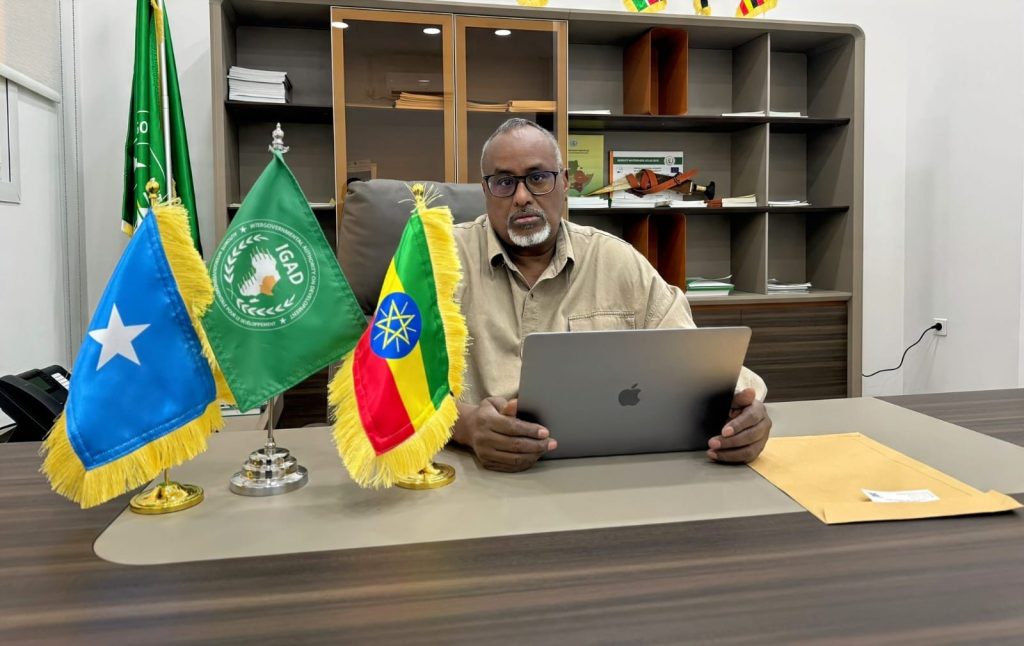
“The goal is to transition security of Somalia to its indigenous forces in the shortest possible time, and send the men and women of the AUSSOM Mission back to their home countries as the heroes they are,” Ware said during his address.
Responding to criticism that his remarks questioned Somalia’s readiness to take over security responsibilities, Ware said his intention was to encourage careful planning rather than cast doubt on the Somali government’s efforts.
He argued that an abrupt or poorly coordinated withdrawal of peacekeepers could create a security vacuum that extremist groups such as Al-Shabaab might exploit.
“I have no clue how such sentiments would offend anyone, let alone the government we are all trying to help avoid a precipitous, premature and disorderly exit of peacekeepers,” he said.
Beyond military operations, Ware stressed that long-term peace in Somalia will depend on strengthening state institutions, expanding economic opportunities and addressing the social and political challenges that fuel instability.
He said defeating violent extremism requires more than military action, calling for greater investment in governance, public services and community development alongside security operations.
The discussions come at a critical time for Somalia as regional and international partners work to chart the next phase of the country’s security transition while adapting to reduced external funding.
For the Horn of Africa, the outcome of the transition is expected to have implications beyond Somalia. A stable security environment is seen as critical for cross-border trade, investment, transport corridors and broader regional integration, all of which remain key priorities for IGAD member states.
As deliberations continue, regional leaders have maintained that the objective is to ensure Somalia gradually assumes full responsibility for its security while preserving the gains achieved through years of cooperation between Somali forces, the African Union and international partners.