
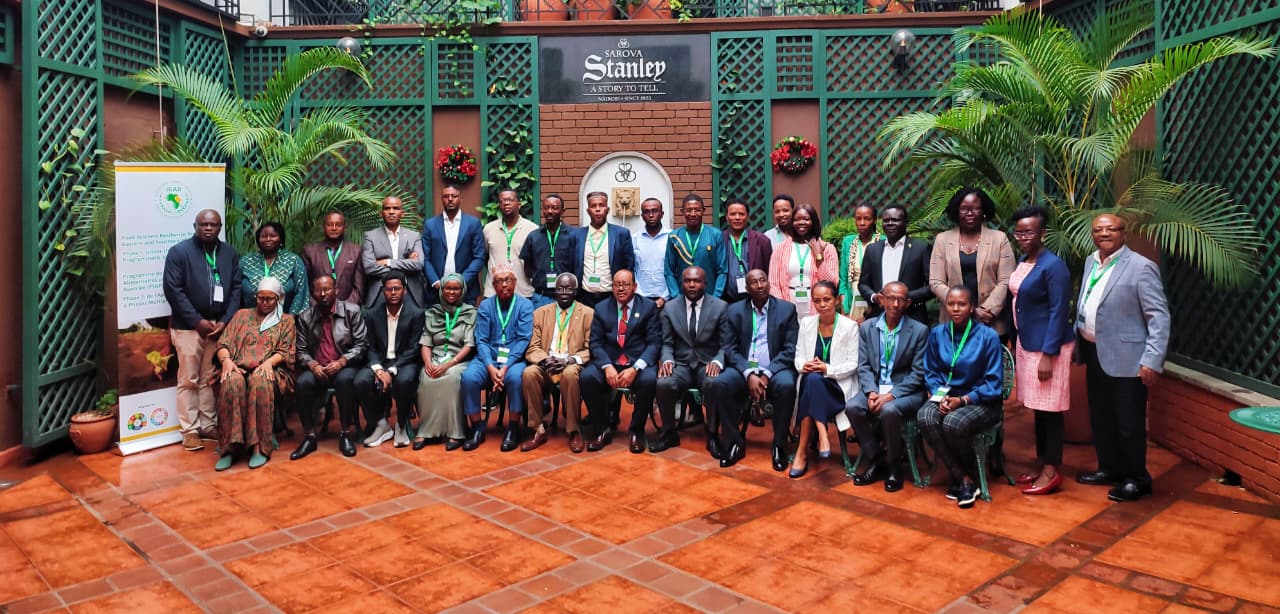
The IGAD Regional Agrifood Systems Investment Plan (RASIP) 2026-2035 is in its final stages of development, being positioned to become a flagship framework that is expected to influence the agrifood policies of the IGAD Region, comprising Kenya, Ethiopia, Somalia, Eritrea, and Uganda, for the next ten years.
This plan is an extension of the already initiated Regional Agricultural Investment Plan (RAIP) for the years 2016-2020 and has already passed the validation process within the Nairobi, Kenya meeting. This meeting was conducted with the core aim of presenting the instrument for the final technical validation prior to the approval process on the ministerial platform.
Why the IGAD Regional Agrifood Systems Investment Plan (RASIP) 2026-2035
The IGAD Regional Agrifood Systems Investment Plan (RASIP) 2026-2035 could not be more timely because the region has been dealing with a consolidating series of challenges. These include drought and flood events, invasions by the desert locust, the effects of the pandemic, as well as disruptions to markets and markets of trade. Such disruptions have been worsened by conflict and associated displacement.
During the validation process, Dr. Tahomi, the IGAD Economic Cooperation & Regional Integration Director said that the plan “marks a paradigm shift in how agricultural and food security issues are taken into consideration in the region.”
“It’s all about agrifood systems. It’s a paradigm shift,” explained Dr. Tahomi, pointing out that RASIP extends not only to agricultural growth, “but also emphasizes public finance and changing agrifood systems.”
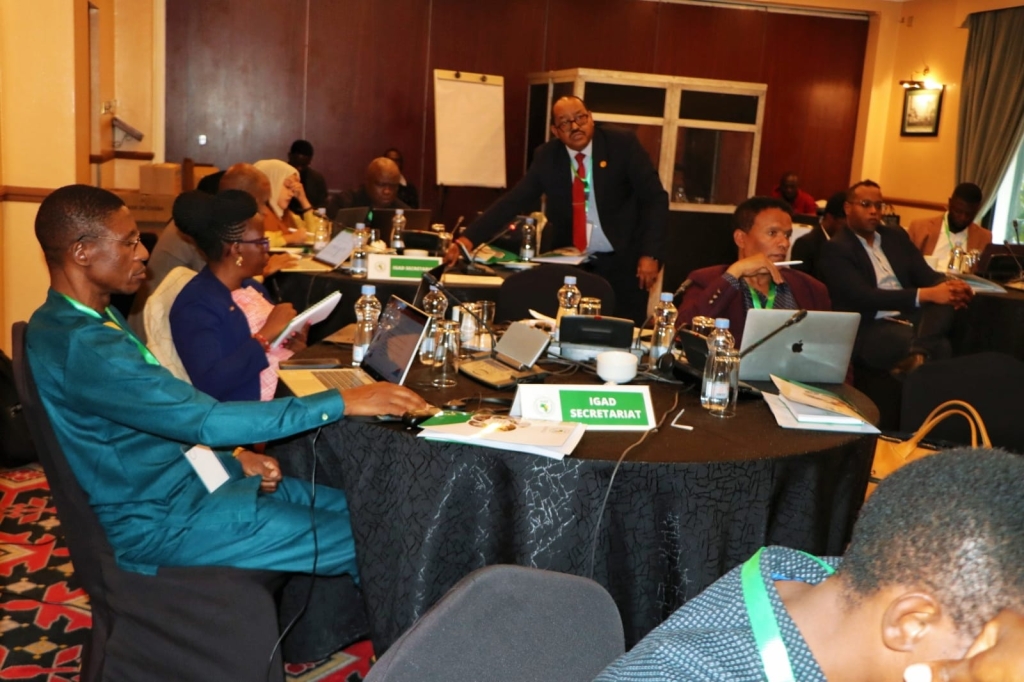
The IGAD Regional Agrifood Systems Investment Plan (RASIP) 2026-2035 responds to ongoing structural challenges in agri-food systems in the region, which include low productivity, limited access to new inputs and technology, inefficient value chains, low regional trade integration, and a lack of processing and storage facilities, among others.
“This new plan takes a systems approach, so it connects production to markets,” Dr. Sylvia Henga, the IGAD Policy and Food Security Expert at the Food Systems Resilience Programme, explained.
“You have seen areas where there is surplus milk and people are pouring out milk because they cannot transport it, yet other areas are experiencing shortages,” Dr. Henga pointed out. “This is where the systems approach is going to assist us, by linking farmers and markets.”
Systems Thinking at the Heart of RASIP 2026-2035
Unlike the previous strategies which concentrated primarily on food production, the IGAD RASIP Investment Plan, 2026–2035, considers the whole ecosystem that sustains food production and distribution. According to Dr. Henga, it is not possible to treat agriculture independently.
“Agriculture requires infrastructure, energy, industrialization, and finance,” she said. “Financing is required, and agriculture will fail to operate. That is why we decided to broaden our perspective and review the whole system,” she said.
It focuses on issues such as adaptation to climate change, sustainable management of natural resources, economic empowerment of youth and women, regional trade integration, and innovation. This strategy aims to align agrifood transformation activities in line with the IGAD priority areas such as water, land, blue economy, and environment.
Dr. Hesbon Otinga, the Director of Planning in Kenya’s Ministry of Agriculture and Livestock Development, who spoke during the opening session, emphasized the need to put food security and nutrition at the focal point of plans.
“IGAD member states are prone to weather-related disasters like floods, landslides, and droughts, causing suffering, deaths, loss of live stocks, and environmental damage,” said Dr. Otinga. “Therefore, food and nutrition security, as well as environmental conservation, should always be foregrounded.”
From Policy to Bankable Projects
One of the important aspects of the validation session is ensuring that the IGAD Regional Agrifood Systems Investment Plan (RASIP) 2026-2035 is not only policy-driven but also action feasible. Dr. Tahomi emphasized the need to convert this plan into bankable projects.
“This document must be finalised, endorsed by the responsible ministers, and translated into bankable projects in order for it to have effective implementations,” he stated.
The two-day validation session follows on from previous achievements, including the write-shop that was conducted in October 2025 in Mombasa, where Member States and experts collaborated on the zero draft on the plan. The ongoing process aims at fine-tuning the format and harmonization with agrifood investment frameworks in the national framework.
Being validated, the IGAD Regional Agrifood Systems Investment Plan (RASIP) 2026-2035 could provide a sound platform for collective action, resource mobilization, and building the resilience of the agrifood sector within the regional block of the Horn of Africa.
Read Also: IGAD Labour Migration Conference in Nairobi Boosted Regional Workplace Mobility