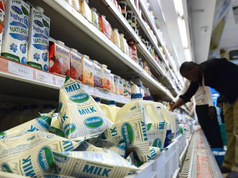

The Intergovernmental Authority on Development (IGAD) is pushing for stronger real-time market information systems to help farmers and traders make better decisions, improve cross-border trade and attract investment across the region.
IGAD says access to reliable information on prices, demand, supply and market conditions can help reduce uncertainty in agricultural value chains and make regional markets more transparent.
Speaking on the role of information-sharing in regional trade, Ismail Garo, Head of Trade, Industry and Tourism at IGAD, said timely market intelligence would help farmers determine when to produce, where to sell and which markets to target.
“By availing this real-time information to farmers, it cuts information asymmetry problems, addresses transaction costs, and makes it easier for foreign investors to identify opportunities across the region.”
Garo said information gaps have continued to disadvantage farmers and small-scale traders involved in cross-border commerce, particularly where reliable data on demand, supply and prices is unavailable.
He said closing these gaps could lower transaction costs while making trade opportunities more visible to investors looking to enter markets across IGAD member states.
Kenya Backs Regional Knowledge-Sharing Network
The Kenyan government has also backed the proposed IGAD Cross-Border Trade Knowledge-Sharing Network, with the Ministry of Trade, Investment and Industry calling for strong ownership by member states.
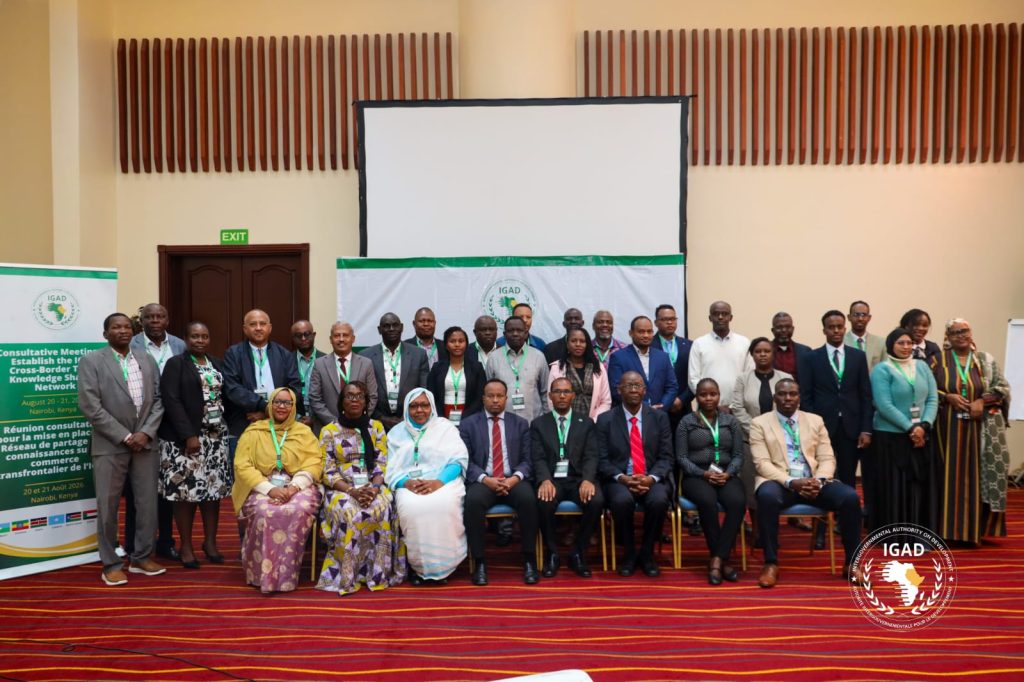
Daniel Wachira, Head of Trade Facilitation at the ministry, represented the Kenyan government as chief guest and said the effectiveness of the network would depend on how well regional trade challenges are identified and addressed from the outset.
Wachira said member states must take ownership of the initiative to ensure its long-term quality, relevance and sustainability.
He urged stakeholders to develop a platform that is not only technically sound but also practical and responsive to the needs of traders, farmers and institutions operating across borders.
He further challenged participants to use the platform to strengthen regional markets, improve food system resilience and support the wider development priorities of the IGAD region.
According to Wachira, the network should deliver measurable benefits to cross-border traders and agricultural food systems by improving coordination among member states and ensuring trade policies and interventions are informed by accurate and shared data.
Market Data Seen as Key to Investment
The proposed network is anticipated to address some of the persistent problems encountered in cross-border trade in the region, including information fragmentation, lack of institutional coordination, and inconsistencies in market data.
Information plays an important role especially to farmers and traders working in the border regions as it determines the markets and the prices at which they sell their goods.
Market intelligence may help with better supply chain planning, reduction of post-harvest losses and linking of the producers with the buyers, processors and investors.
According to IGAD, the emphasis on regional ownership of the project will be critical to ensuring its sustainability, as it will require contributions from member countries in data sharing, policy coordination, and the establishment of necessary institutions.
While IGAD works towards achieving economic integration among its members, the proposed market information network will provide a common market information source for both private businesses and policymakers.
However, the success of the initiative will largely depend on whether the information will be translated into something useful for farmers, traders, policymakers and investors within the region.
ALSO READ: IGAD Launches Soil Health and Fertilizer Hub to Strengthen Food Security Across the Region