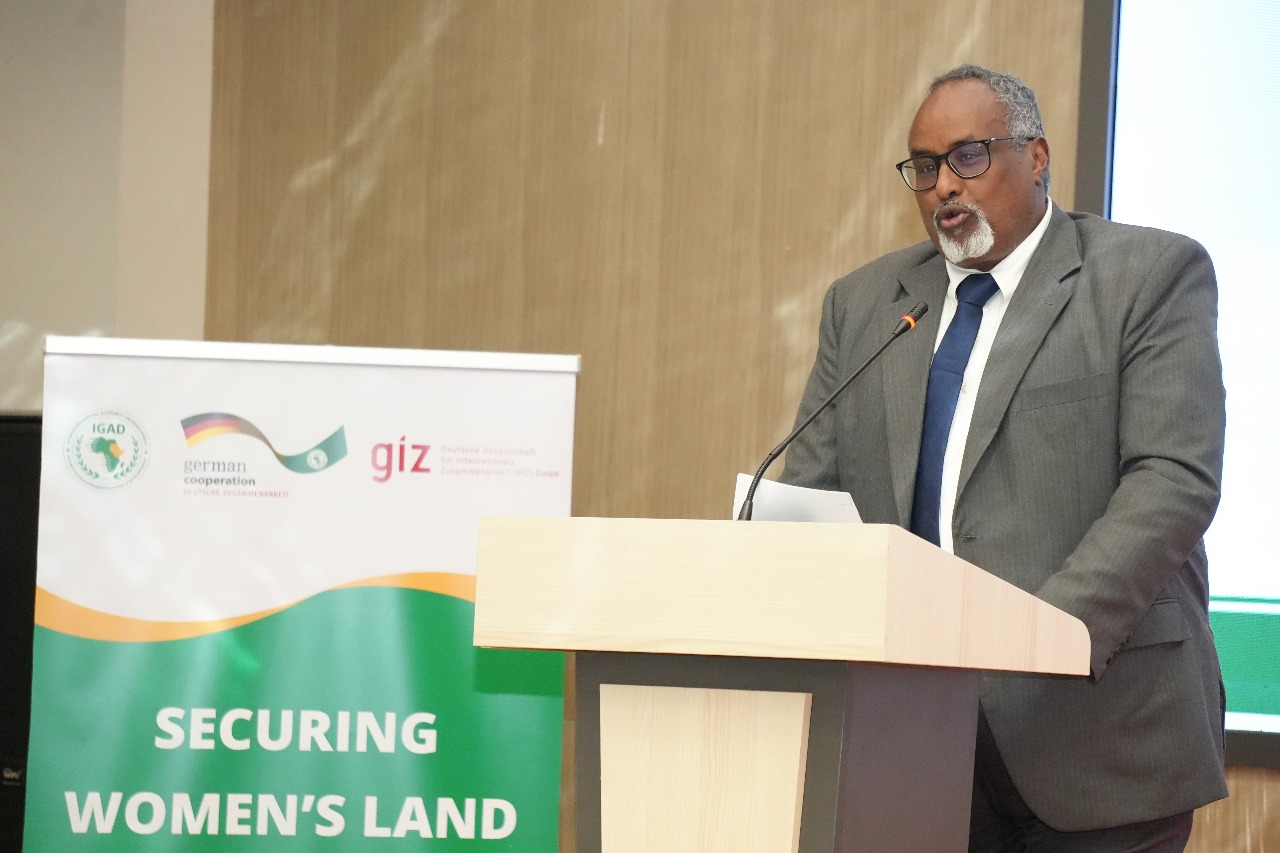
IGAD women’s land rights became the focus of attention in Nairobi on Wednesday, July 9 as the Intergovernmental Authority on Development (IGAD) opened a high-level regional dialogue aimed at securing women’s access to land and boosting climate resilience in the Horn of Africa.
IGAD Deputy Executive Secretary Mohamed Abdi Ware in his opening address called the meeting “a defining moment,” urging political leaders, lawmakers, and development partners to treat women’s land rights as crucial to food security, environmental protection, and poverty reduction.
“Women wake before morning to work on land that does not belong to them. They feed nations but are excluded from decisions on that land,” said Ware. “IGAD women’s land rights must be at the heart of our climate and development agenda.”
The three-day dialogue brings together women parliamentarians from IGAD member states, UN agencies, development partners and civil society groups.
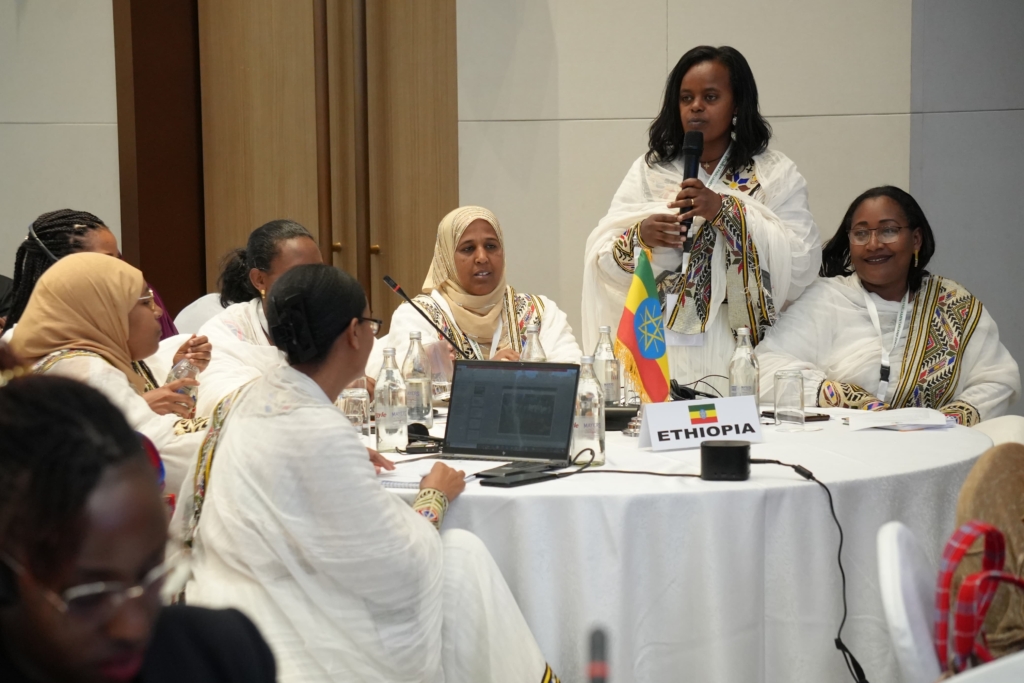
This is based on prior national-level discussions held earlier this year in countries like Kenya, Uganda, Ethiopia, and Somalia, under IGAD’s Regional Women’s Land Rights Agenda, adopted in 2021.
Abdi Ware emphasized that while women produce huge volume of Africa’s food, they own a a small portion of the land.
He warned that the region’s climate crisis has only deepened these inequalities, unnecessarily affecting women and girls.
“Women and girls make up 80% of those displaced by climate change,” Ware said. “But women are not just victims they are land stewards, innovators, and climate responders.”
The IGAD dialogue is expected to produce two major outcomes: the launch of a Regional Platform for Women Parliamentarians on Land Rights and Climate Resilience, and a regional policy brief to guide lawmakers and governments in implementing gender-responsive land reforms.
“The issue of IGAD women’s land rights is not just about fairness. It’s an economic and moral requirement,” Ware said, quoting research showing that equal land access could raise agricultural output by up to 30% and reduce hunger globally.
He credited development partners such as GIZ, the African Development Bank, and SIDA for supporting IGAD’s efforts to turn dialogue into action.
Also Read: IGAD Highlights Regional Progress in 2024 Report Amid Political, Climate Pressures