
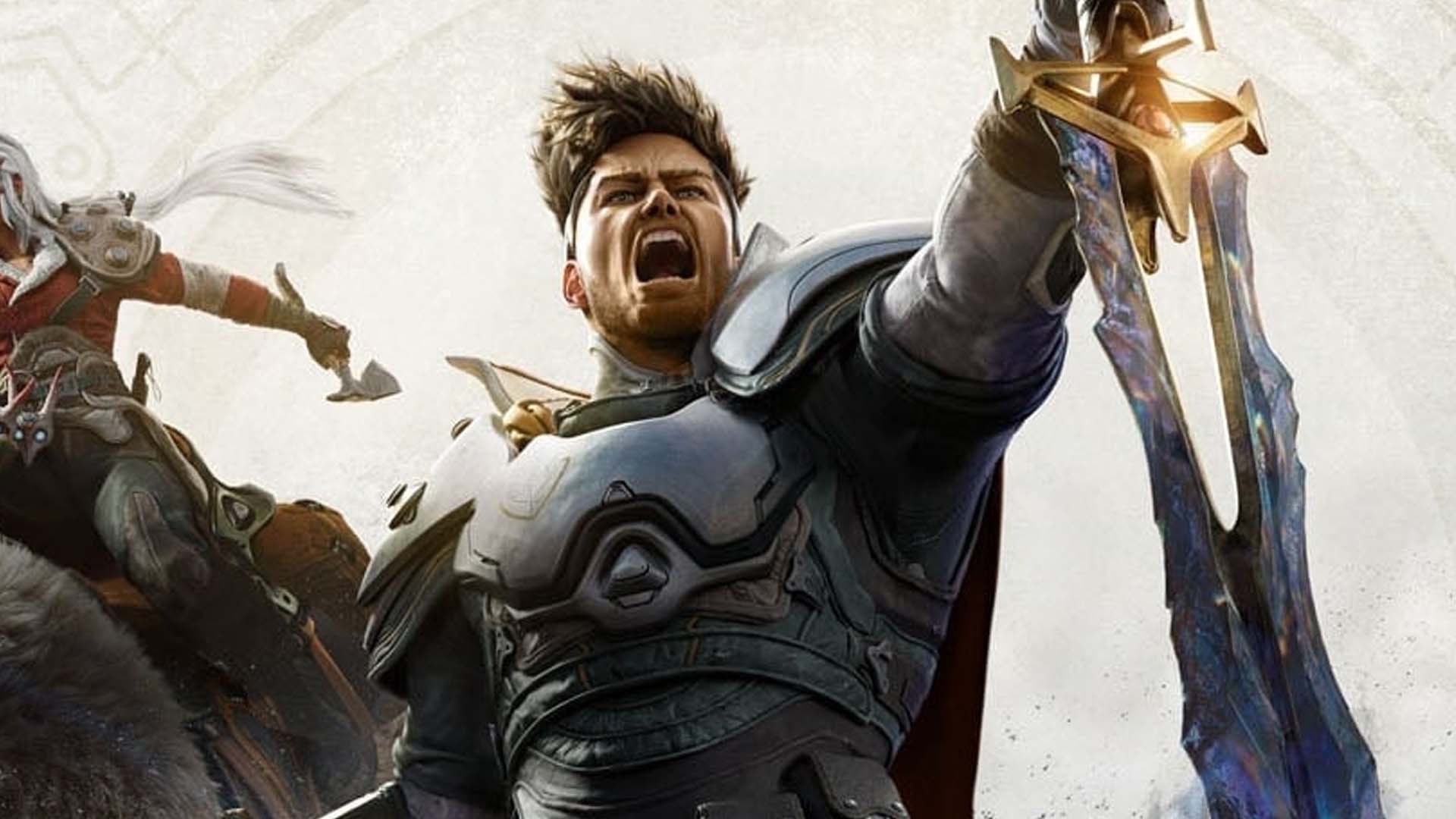
In a stark illustration of the brutal competition within the digital entertainment space, Wildlight Entertainment announced that its much-anticipated free-to-play shooter, Highguard, will cease operations this month, barely a year after its high-profile launch.
This rapid closure, affecting hundreds of thousands of players, underscores the immense challenges facing live-service games that struggle to build and retain a dedicated audience in a saturated market.
The Swift Demise of Highguard
Wildlight Entertainment launched Highguard with significant fanfare in late 2023, positioning it as a fresh contender in the lucrative yet crowded online shooter genre.
The game promised innovative mechanics, a rich lore, and a commitment to regular content updates, aiming to capture a segment of the global gaming market valued at over 180 billion dollars annually.
Despite an initial surge of interest, with over 1.5 million downloads in its first month, player engagement quickly plateaued and then declined precipitously.
Server costs, coupled with a diminishing return on development investment for new content, reportedly became unsustainable for Wildlight Entertainment.
Sources close to the company indicated that the game’s monetization model, primarily relying on cosmetic microtransactions, failed to convert a sufficient percentage of its player base into paying customers.
The free-to-play model, while lowering the barrier to entry, demands exceptional content quality and consistent updates to foster long-term player retention.
Highguard struggled with persistent technical issues, including server latency and frequent bugs, which alienated a significant portion of its early adopters.
Community feedback highlighted a perceived lack of meaningful new content, with updates often focusing on minor adjustments rather than substantial additions that players craved.
This failure to deliver a stable, evolving experience directly impacted the game’s ability to compete with established titans like Fortnite and Apex Legends.
Wildlight’s development budget for Highguard was estimated to be in the range of $45 million, a substantial sum for a new intellectual property.
The company had projected a return on investment within 18 months, a target that now appears to have been severely miscalculated.
Market analysts had initially expressed optimism about Highguard‘s potential, citing its unique art style and the experienced development team behind it.
However, the rapid decline in concurrent player counts, dropping by over 80 percent in six months, painted a grim picture for the game’s future.
The decision to shut down Highguard is a stark reminder of the cutthroat nature of the digital games industry, where even well-funded projects can falter.
It also reignites conversations about the sustainability of the free-to-play model for new entrants without an existing robust player ecosystem or significant brand recognition.
Players who invested time and money into Highguard are now left with inaccessible digital content, raising questions about consumer rights in the ephemeral world of online games.
READ ALSO; Absa Bank Kenya Profit Rises to KSh22.9 Billion, Shareholders Get Higher Dividend