
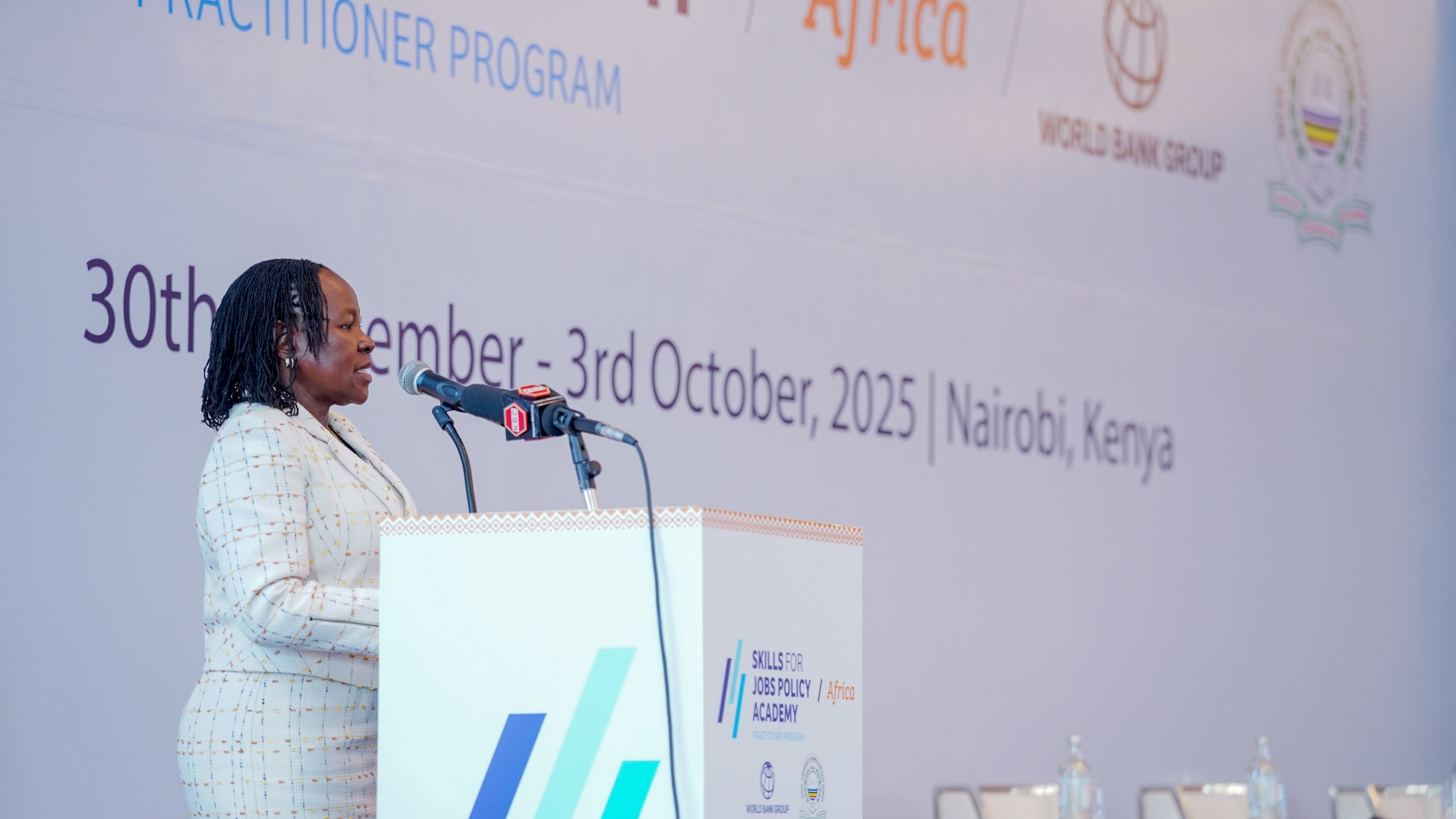
Kenya’s PS Dr. Esther Thaara Muoria, PhD, Principal Secretary, the State Department for Technical, Vocational Education and Training (TVET) during the opening ceremony of the Africa Skills for Jobs Policy Academy, held in Nairobi from 30 September to 3 October 2025.
East African vocational and technical training institutions are registering great success in graduate placement, due to enhanced collaboration with industry players.
In 16 East Africa flagship Technical and Vocational Education and Training (TVET) colleges in Kenya, Ethiopia, and Tanzania, graduate employment rose to 80 percent at six months post-graduation a significant jump from 47 percent before the roll-out of the World Bank-funded East Africa Skills for Transformation and Regional Integration Project (EASTRIP).
The growth has been especially significant for women, with graduate women’s employment having risen from 51 percent to 74 percent.
The findings were given at the Africa Skills for Jobs Policy Academy, which was held in Nairobi between September 30 and October 3, 2025, by the World Bank in partnership with the Inter-University Council for East Africa (IUCEA).
It is evident that if training is aligned to the needs of industries, the youth find employment rapidly,” stated Dr. Cosam Joseph, EASTRIP’s Regional Project Coordinator at IUCEA. “The 16 flagship institutes have established over 300 ties with private sector businesses, crafting over 500 demand-led programmes aligning with what employers require.
The courses span a broad range of disciplines renewable energy, geothermal science, and aviation, to transport logistics, manufacturing, and hospitality.
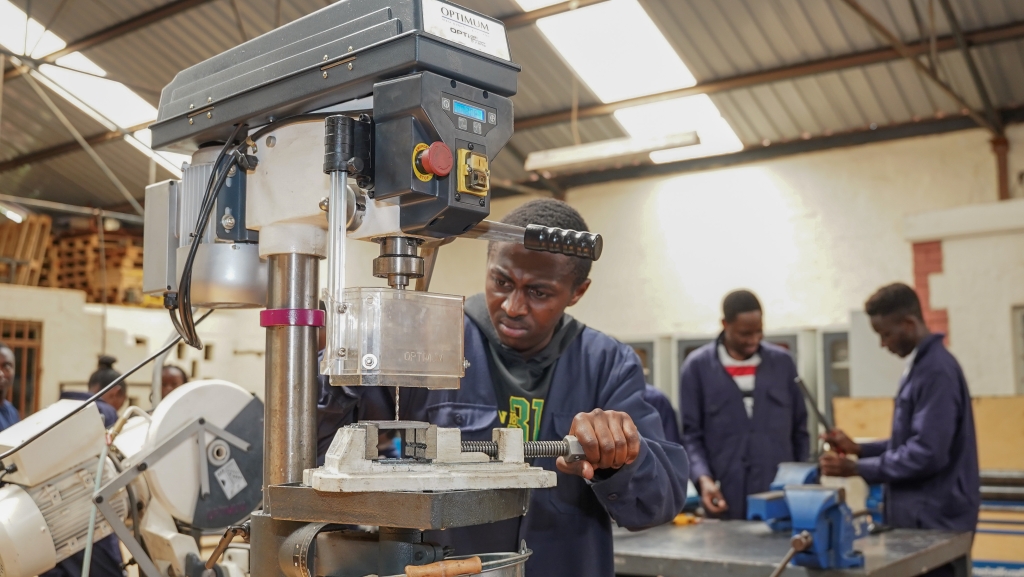
In Kenya, the KenGen Geothermal Training Centre has emerged as a regional centre of excellence for geothermal technology, producing professionals ready for the fast-evolving renewable energy sector.
In Tanzania, the National Institute of Transport launched aviation and logistics courses that are already delivering graduates to regional airlines.
Ethiopia’s General Wingate Polytechnic shifted into manufacturing and leather technology, tackling local industries directly.
“Industry-based is our training model,” said Risper Kandie, a geologist and Centre Leader at KenGen’s Geothermal Training Centre. “Being part of KenGen, our students are given on-the-job work experience, positioning them to move into such pivotal roles in the energy sector immediately upon graduation.”
The project has also boosted student enrollment in the 16 institutions from below 7,000 to nearly 58,000. Nearly 19,000 of them are female a milestone in opening up male-dominated technical fields for female students.
Employers have observed the difference as well. “Our partnership with TVET institutes in Ethiopia has closed the gap between training and employment,” stated Belachew Admasu Alemu, Managing Director of Sheraton Addis. “Graduates are ready for the industry because they’ve been trained in actual production environments with industry-crafted curricula.”
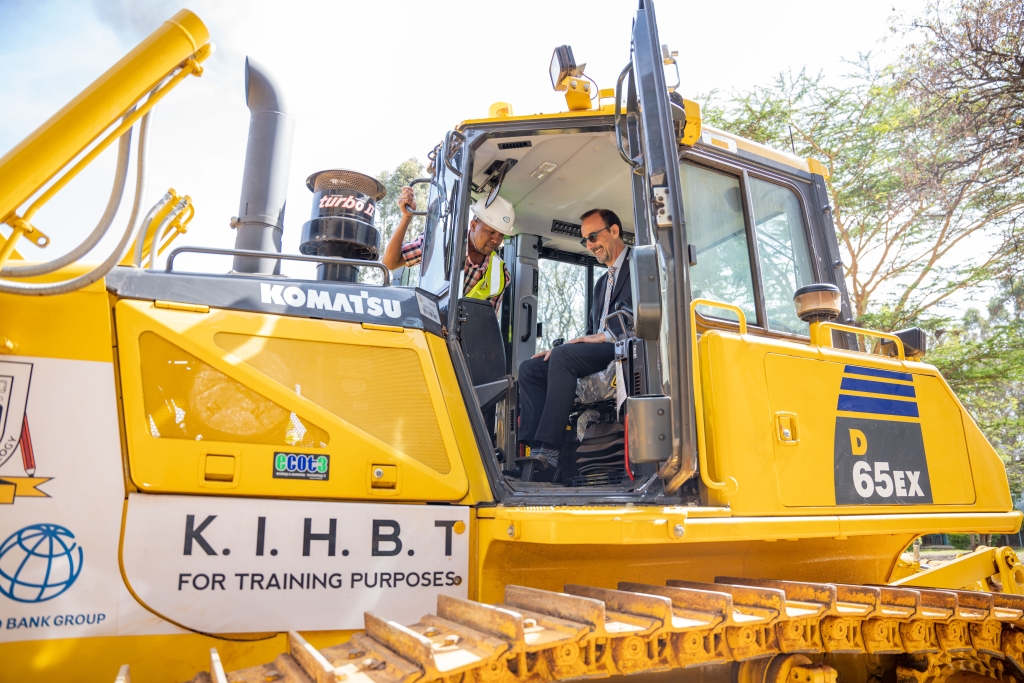
In addition to improving employability, EASTRIP has also aligned training in the entire region with the Regional TVET Qualifications Framework.
It makes qualifications acquired in Kenya, Ethiopia, and Tanzania acceptable everywhere, and graduates can now be employed anywhere in the region.
Mobility of students has also improved, with over 2,000 students crossing borders to study in neighboring countries, up from just 31 when the project began.
“The system suggests that an employer in Tanzania has the confidence to employ a Kenyan or Ethiopian graduate because the standards are the same,” explained Dr. Joseph.
For Kisumu National Polytechnic and other such institutions, such cross-border interaction is also creating networks for life. “We have had students from Ethiopia and Tanzania, and our students have learned from them,” explained Evans Onyango, Head of Research and Innovations. “It’s not just skills training it’s developing regional ties that will reshape the workforce of East Africa for decades to come.”