
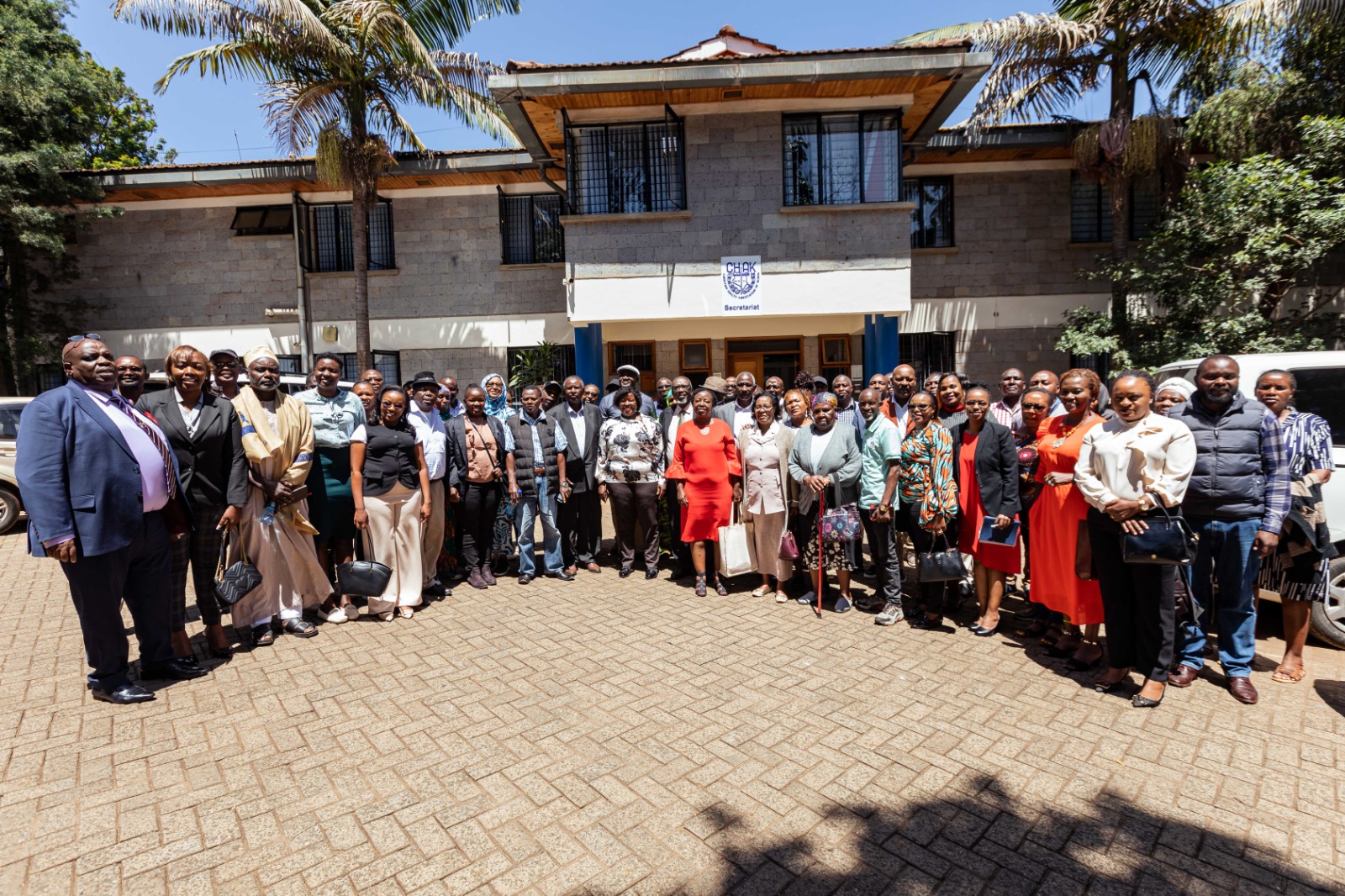
Local leaders and residents from Kangemi and Dagoretti have reached a major consensus with the Nairobi Rivers Commission on the Nairobi Rivers Regeneration Program, marking a positive step forward in the city’s push for cleaner, healthier and more inclusive river ecosystems.
The agreement was sealed during a consultative engagement forum held at the CHAK Conference Centre, bringing together community members, MCA leaders and landowners committed to supporting the Nairobi Rivers Regeneration Program.
Community, Leaders Align on Nairobi Rivers Regeneration Program
The meeting, coordinated by Hon. Antony Karanja, MCA for Waithaka and Minority Leader at the Nairobi County Assembly, affirmed a shared intention to jointly move the Nairobi Rivers Regeneration Program forward while safeguarding the rights and voices of landowners and communities.
Participants agreed that sustained public engagement, transparent planning and clear interpretation of riparian regulations will remain central to successful implementation of the Nairobi Rivers Regeneration Program.
At the heart of the discussions was the acknowledgement that Nairobi’s rapid urban growth has stretched the city’s basic infrastructure beyond capacity.
Informal settlements along riparian areas, an ageing sewerage system built for 350,000 people, and poor solid waste management have contributed to polluted rivers, public health risks and degraded habitats.
These challenges underline why the Nairobi Rivers Regeneration Program has become a critical pillar in restoring Nairobi’s environmental health and urban resilience.
Lt. Col. Kahigu Njoroge, Project Manager of the Nairobi Rivers Regeneration Project, emphasized that the program’s success hinges on collaboration rooted in law and fair practices.
“We will work with the Water Resources Authority, NEMA and landowners to determine the true high-water mark and correct riparian boundaries. That is the proper process,” he said.
“Planning is a process, and the policies that come out of the Special Planning Area (SPA) framework will guide what can or cannot be built close to the river.”
Hon. Antony Karanja echoed the importance of consistent community engagement, noting that the consensus reached reflects genuine progress.
“We came here to demystify what people have heard, and that is exactly what has happened. Together with the Nairobi Rivers team, we will organize even smaller citizen engagement meetings,” he said.
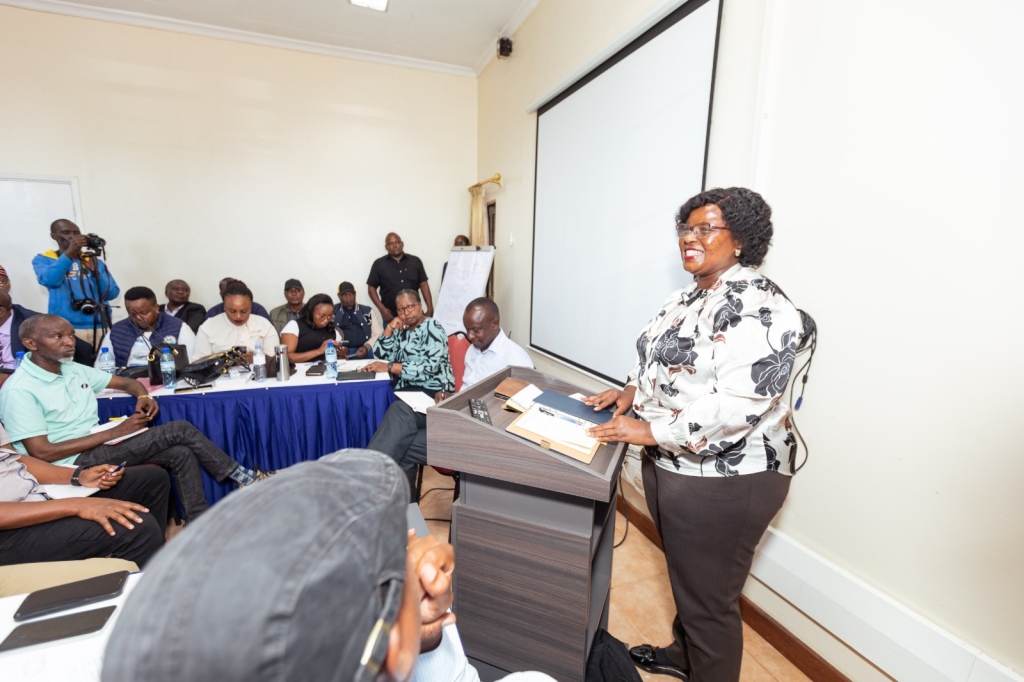
Nairobi Rivers Commission Chairperson Bishop Wanjiru welcomed the spirit of partnership, describing the dialogue as honest, constructive and essential for the Nairobi Rivers Regeneration Program.
“We have had positive and insightful engagements with the communities from Kangemi and Dagoretti. We will re-examine the laws that were of concern with the intention of reviewing them with public participation,” she said.
The forum ended with a clear message: the Nairobi Rivers Regeneration Program will only succeed through continuous collaboration that balances infrastructure development, environmental conservation and community rights.
Why the Nairobi Rivers Regeneration Program Matters for Nairobi’s Growth
Beyond environmental restoration, the Nairobi Rivers Regeneration Program is positioning Nairobi as a competitive, climate-smart and investment-ready city.
Cleaner rivers, better waste management, restored wetlands and improved sewerage systems will enhance public health, boost the city’s tourism and conferencing appeal, and create new green jobs.
Nairobi’s ongoing recognition under the Global Alliance of Cities for Baukultur further illustrates how programs like the NRRP are helping Nairobi meet global standards of sustainability, human-centered urban design and resilient infrastructure.
The Nairobi Rivers Regeneration Program is already linked to key upgrades including:
- Construction of a 60km trunk sewer line along the river basin
- Development of a 27.2km non-motorized transport corridor from Naivasha Road to Lucky Summer
- Restoration of green river corridors and public spaces
- Modernization of the Kariobangi Waste Water Treatment Facility
- Planned closure and transformation of the Dandora Dumpsite into a circular economy and power-generation site
Citizen-led initiatives such as youth clean-ups, neighborhood park stewardship and wetland conservation continue to power the social heartbeat of the regeneration movement, proving that the Nairobi Rivers Regeneration Program is not just an engineering project but a community-driven transformation.
As Bishop Wanjiru said, the initiative remains a climate action effort at its core, with the goal of reclaiming Nairobi’s river systems through inclusive, people-centred approaches.
Read Also: CS Kinyanjui Vows to Drive Industrial Growth and Economic Reform