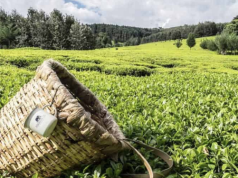
More than 400,000 farmers and pastoralists across East Africa received KSh97.3 million in insurance payouts from Britam in 2025, offering a financial lifeline to communities grappling with the effects of drought, erratic rainfall and other climate-related challenges.
According to the insurer’s 2025 Sustainability Report, a total of 402,681 farmers and livestock keepers benefited from climate insurance products designed to cushion households from weather-related losses.
The report shows that crop insurance uptake grew significantly during the year, with the number of farmers covered rising by 83 per cent from 161,521 in 2024 to 294,799 in 2025.
Britam paid KSh80.4 million in crop insurance claims, helping farmers recover from losses linked to increasingly unpredictable weather conditions.
The company also extended livestock insurance cover to 107,882 pastoralists in Kenya, Uganda and Tanzania. Claims amounting to KSh16.9 million were paid to households affected by climate-related disruptions.
Britam Group Managing Director and Chief Executive Officer Tom Gitogo said the insurer remained committed to supporting communities facing growing climate risks.
“Through inclusive, sustainable and innovative solutions, we are enabling recovery, stability and continued productivity even in the face of increasing climate uncertainty,” Gitogo said.
The insurer relies on parametric insurance solutions that use satellite data and pre-agreed weather indicators to trigger payouts, allowing affected farmers and pastoralists to receive compensation more quickly when droughts or poor rainfall occur.
The report also highlights Britam’s growing investment in environmental sustainability and climate action.
In October 2025, Britam commissioned a solar installation at its headquarters, Britam Tower, one of Africa’s tallest green buildings. The installation is projected to generate 390,000 kWh of clean energy annually, power more than 50% of the building’s energy needs, and offset 198 tonnes of carbon emissions each year, equivalent to planting 10,800 trees annually.
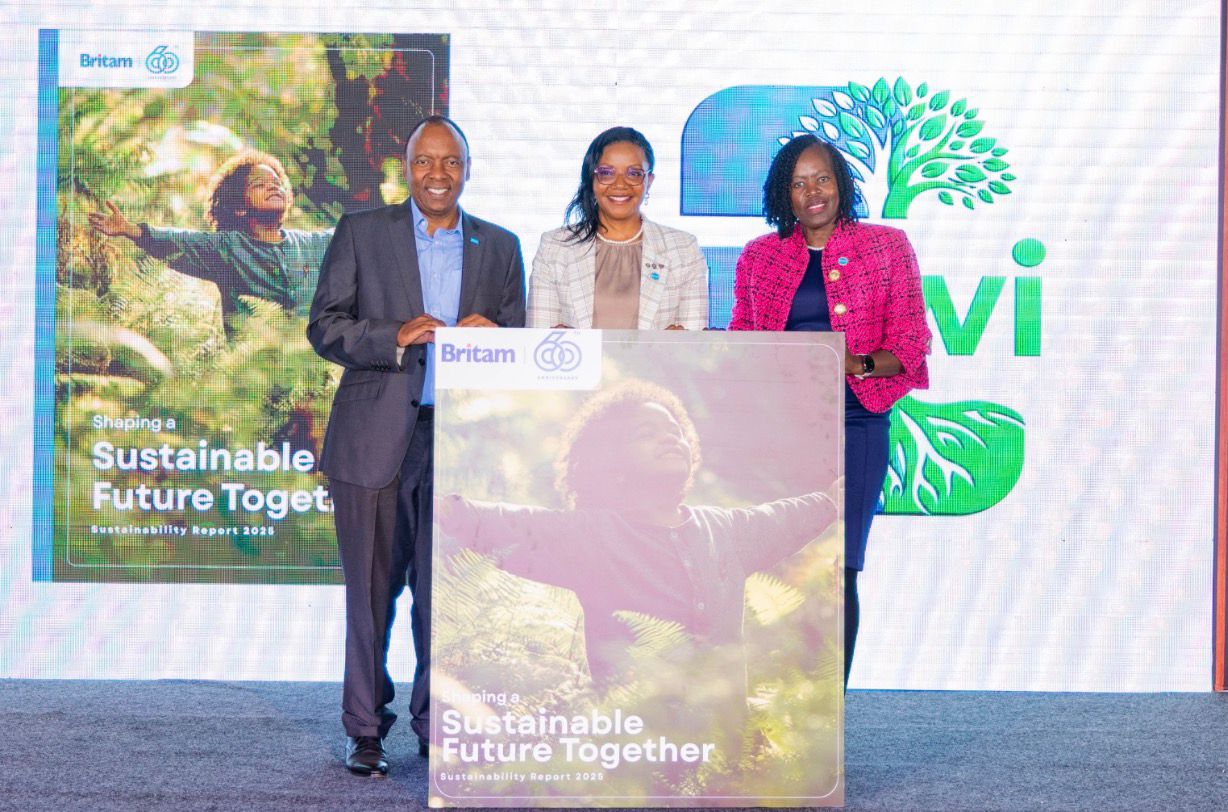
Beyond its own operations, the Britam Foundation planted 86,000 trees in the Mt. Elgon Water Tower, restored more than 444 acres of degraded land, and supported the creation of 1,358 green jobs in host communities, contributing to the Group’s ambition of planting 60 million trees by 2030.
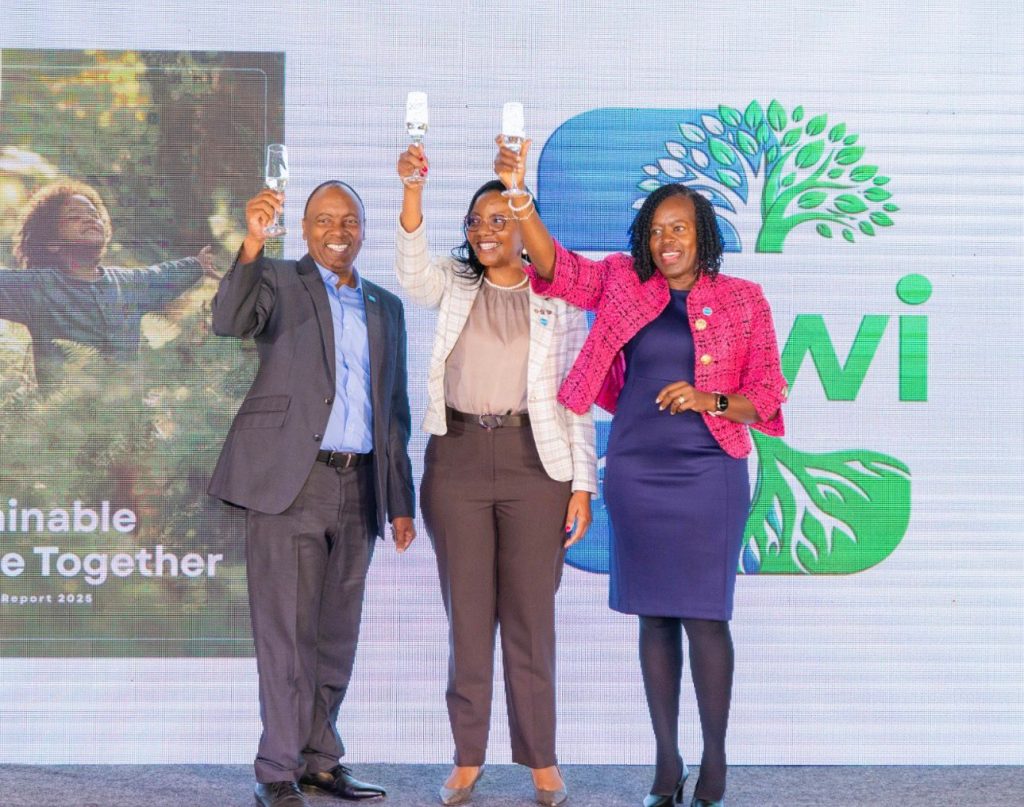
To strengthen the scale and accountability of this effort, Britam in May 2026 introduced TAWI, a digital platform that enables the real-time coordination, tracking, verification, and measurement of tree-planting activities for long-term environmental stewardship.
The report also points to gains in healthcare through the company’s Lea Mama maternal health programme, which enrolled more than 3,300 mothers in 2025.
Britam reported zero corruption incidents during the year and contributed KSh3.1 billion in taxes across its seven African markets.
Hilda Njeru, Britam’s Director of Legal and Sustainability, said sustainability has become central to the company’s long-term growth strategy.
“This reflects our understanding that sustainable growth requires strong governance and responsible leadership. Ultimately, sustainability is about thinking beyond the present and making decisions with the future in mind,” said Hilda Njeru, Director, Legal & Sustainability and Group Company Secretary.
ALSO READ: Britam Brings Together Over 100 SMEs for Business Growth Forum in Thika