As the first rains begin to fall across Kenya, many farmers are preparing their land for the new planting season. In rural areas, fields are being cleared, seedlings prepared, and hopes for a good harvest are growing.
For many women working in farming, aggregation centres and food processing, this season brings both opportunity and challenge. Across the country, women play a key role in the agri-food sector helping feed families, support local economies and strengthen food security.
Despite this important role, many women entrepreneurs still face barriers when trying to expand their businesses. For most, the challenge is not lack of ideas or markets. Instead, access to affordable finance, structured markets and technical support often remains limited.
Without these opportunities, many promising businesses struggle to grow beyond a small scale, even when the demand for their products exists.
It is this gap that NCBA Group has been working to address through a partnership with the African Guarantee Fund under the Affirmative Finance Action for Women in Africa (AFAWA) programme led by the African Development Bank Group.
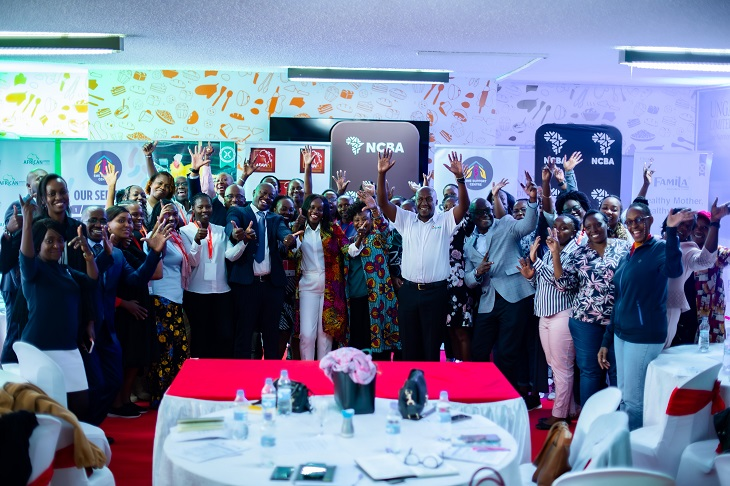
Through the NCBA–AFAWA Women SMEs Acceleration Programme, the partners aim to support women-owned businesses in the agri-food sector by improving access to finance while also offering mentorship and business support.
The programme builds on earlier collaboration between NCBA and the African Guarantee Fund in 2025, which helped unlock more than KSh17 billion in lending to over 700 small and medium enterprises and supported more than 7,000 jobs, including opportunities for women.
The renewed programme is expanding that support further. Lending capacity for women and youth entrepreneurs has been increased from KSh1.5 billion to KSh3 billion, with the initiative targeting more than 80 women entrepreneurs in two cohorts.
Since the programme began in October last year, NCBA says it has already facilitated more than KSh747 million in loans to women-led businesses. The wider goal is to unlock about USD 5 million in financing and help create over 300 jobs.
Beyond financing, the programme also focuses on building the skills and resilience needed for long-term business growth. Women entrepreneurs taking part receive mentorship, business advisory support and guidance on financial management, market opportunities and climate-related risks.
The aim, according to the partners, is not only to provide capital but also to help businesses strengthen their foundations and plan for sustainable growth.
Many small businesses in Kenya remain informal and often struggle to meet traditional lending requirements. Programmes like NCBA–AFAWA are trying to bridge that gap by combining credit with partial guarantees and business support.
For the bank, the initiative reflects a broader belief that strengthening small and medium enterprises requires investing in the entrepreneurs who drive them many of whom are women.
NCBA has also committed to directing at least 30 per cent of its procurement spending to women and youth-owned businesses, a move aimed at widening access to economic opportunities.
For Kenya, supporting women in agriculture and the broader agri-food sector has wider economic benefits. Agriculture remains one of the country’s largest contributors to employment, exports and national income.
When women farmers and entrepreneurs gain better access to finance, training and markets, the impact often extends beyond individual businesses to households and communities.
As Kenya continues to work toward stronger financial inclusion, initiatives that support women entrepreneurs are increasingly seen as an important step toward building a more resilient and inclusive economy.
Read Also: NCBA Group and Inchcape Kenya Signs Partnership To Finance Tractors for Kenyan Farmers