
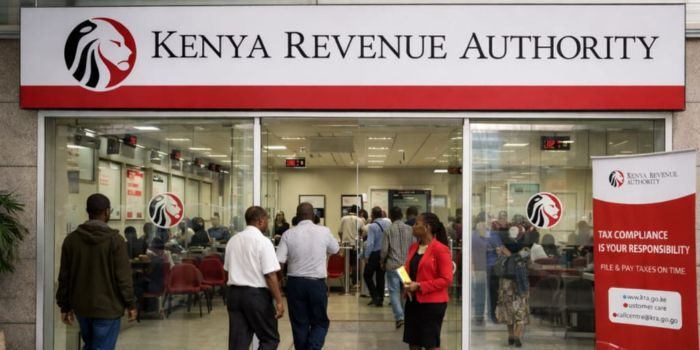
The Kenya Revenue Authority (KRA) has started explaining big changes taxpayers will see when filing their 2025 tax returns.
Speaking in an X-Space session on Friday, February 20, KRA’s Commissioner for Micro and Small Taxpayers, George Omondi Obell, said the authority now has access to lots of financial and transaction data.
Key Changes to Watch in Your 2025 Tax Returns
This data will be checked against what taxpayers declare, making it harder to hide income or claim wrong deductions.
The new rules are linked to a 2023 law that requires all invoices to meet e-TIMS standards. This means only expenses backed by electronic invoices that follow KRA’s Tax Invoice Management System can be used as deductions.
Obell explained that KRA had planned to enforce e-TIMS in 2024 but delayed after consulting businesses and professional groups like ICPAK and the Law Society of Kenya (LSK). Many taxpayers had not yet started using the system, so it wasn’t fair to enforce it then.
“By 2024, not enough people were on board, so we let it go. But 2025 will be different,” said Obell. “We will now fully check both income and expenses in 2025 Tax Returns.”
KRA noticed that some taxpayers were earning money, having withholding tax deducted, and then either filing nil returns or not filing at all. Obell made it clear that withholding tax is not the final tax everyone must declare all the income they earn, even if tax was already deducted at source.
The authority will use invoice data from January to December 2025 to check income before returns are filed. This will give KRA a clear picture of what each taxpayer earned.
For long-term contracts or invoices covering multiple years, KRA has set up systems to make sure taxpayers are not unfairly penalized. Businesses issuing invoices for non-income assets can also make adjustments easily while filing.
Obell added that for businesses dealing with government offices that haven’t joined e-TIMS yet, those expenses will still count, as long as a special window is available during filing.
These changes come after KRA rolled out pre-populated VAT returns in November 2024, which automatically pull in sales and purchase data, making it cheaper and easier for taxpayers to comply.
Read Also: KRA Sets March 31 for Resumption of Nil Tax Return Filing







[…] Read Also: KRA Explains New Rules for 2025 Tax Returns […]