

Samsung Electronics East Africa says that the modern smartphone is rapidly evolving into an artificial intelligence platform that seeks to solve day-to-day problems for students, business people, and businesses in general.
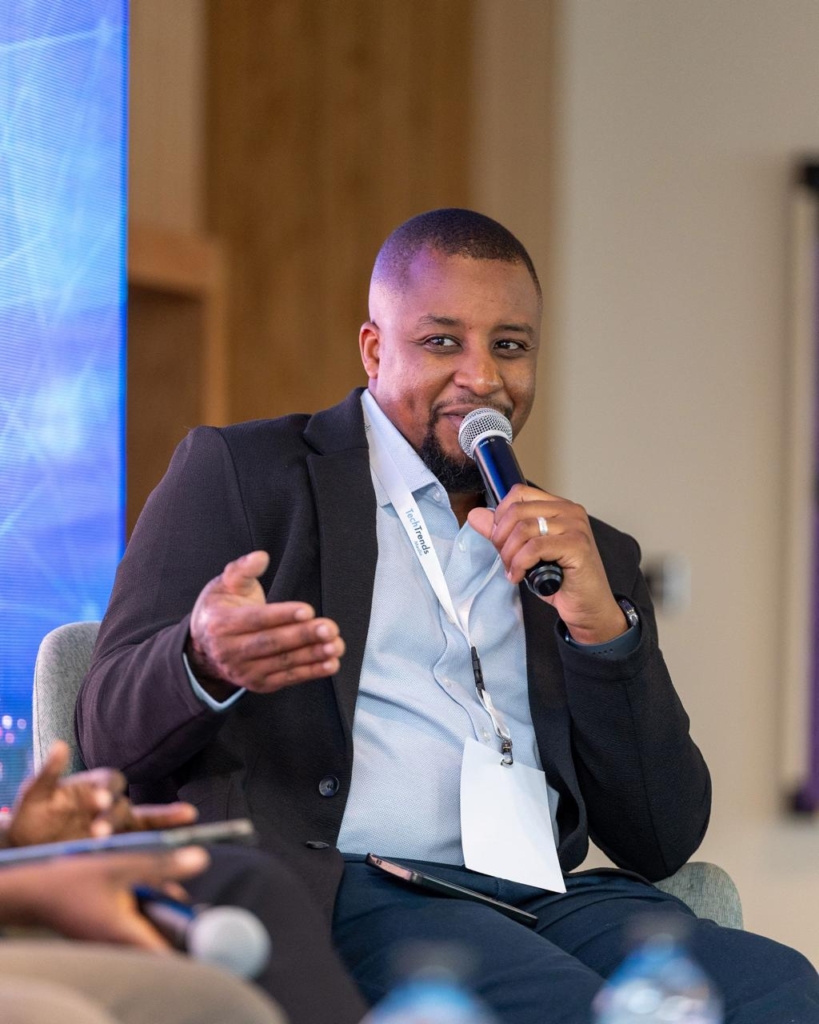
In a question and answer session, Ryan Mule, Product Manager for the Mobile Experience Division at Samsung Electronics East Africa, said that the company is no longer just a manufacturer of devices but rather a “pioneer of experiences.”
“At Samsung, we are more than just a device manufacturer; we are a pioneer of experiences. Our DNA is rooted in meaningful innovation,” Mule said, citing that in East Africa, they are looking to develop technology that seeks to solve day-to-day problems.
He cited examples such as students using Galaxy AI in Nairobi to translate their research and businesses using Samsung devices in Dar es Salaam to secure their information.
How On-Device AI Is Changing Smartphone Use
Mule said that the smartphone has evolved from being just a reactive device into what he termed as a proactive device.
“We have moved from reactive technology to proactive intelligence,” Mule said. While earlier artificial intelligence features relied on cloud-based solutions, Samsung is now focusing on on-device artificial intelligence.
This means that the smartphone is able to understand what is going on. For instance, it can change its camera settings depending on the lighting conditions and even generate meeting minutes for businesses.
Making AI Accessible
Samsung’s “democratization of AI” is at the heart of their approach in EA. Mule explained: “What we are doing is making sure these kinds of AI features are not exclusive to high-end products. We use custom-built Neural Processing Units (NPUs) across our portfolios. So, for instance, features like Circle to Search, Live Translate, and Transcript Assist are now available across our Galaxy A series and Z and S series.”
Mule added: “These are the features people use most, and we are making sure advanced computing is accessible to a growing population of digital natives in this region.”
Business Efficiency and Mobile AI
For businesses, Mule described Samsung’s AI platform as a “digital assistant” that supports operational efficiency. He pointed to real-time translation for international communication, automated workflows that learn user patterns, and tools that allow creative teams to generate and edit professional content while on the move.
The aim, he said, is to reduce reliance on expensive external hardware while enabling enterprises to remain productive and connected.
Focus on Security
With AI handling more personal and business data, Mule emphasized that security remains a core priority. He said Samsung Knox provides protection from the hardware chip level to the cloud.
Knox supports on-device processing so that sensitive data does not have to leave the phone, while Knox Matrix extends protection across multiple Samsung devices. Mule added that the Privacy Dashboard allows users to see and control how their data is used in AI functions.
The Future Smartphone
Looking ahead, Mule described a future where smartphones act as “proactive life companions.” Devices, he said, will anticipate user needs by understanding lifestyle patterns, such as silencing non-urgent notifications during meetings and summarizing missed communications.
He added that smartphones are expected to become central systems connecting home, work and personal health through a single intelligent interface.
What’s Next for Samsung
Mule also hinted at upcoming developments, saying Samsung is preparing for its next Galaxy Unpacked event in February. The company plans to unveil the next evolution of the Galaxy S-series, which he said will push on-device AI further, with enhanced privacy features, stronger processing power for creators and a design aligned with its AI-driven software direction.
“It’s not just a new phone; it’s the next chapter of the AI revolution,” Mule said.
Read Also: Samsung Galaxy S26 Ultra Release Date and Price in Kenya







[…] Read Also: Samsung On-Device AI Transforming Smartphones into Smart Business and Learning Tools […]