
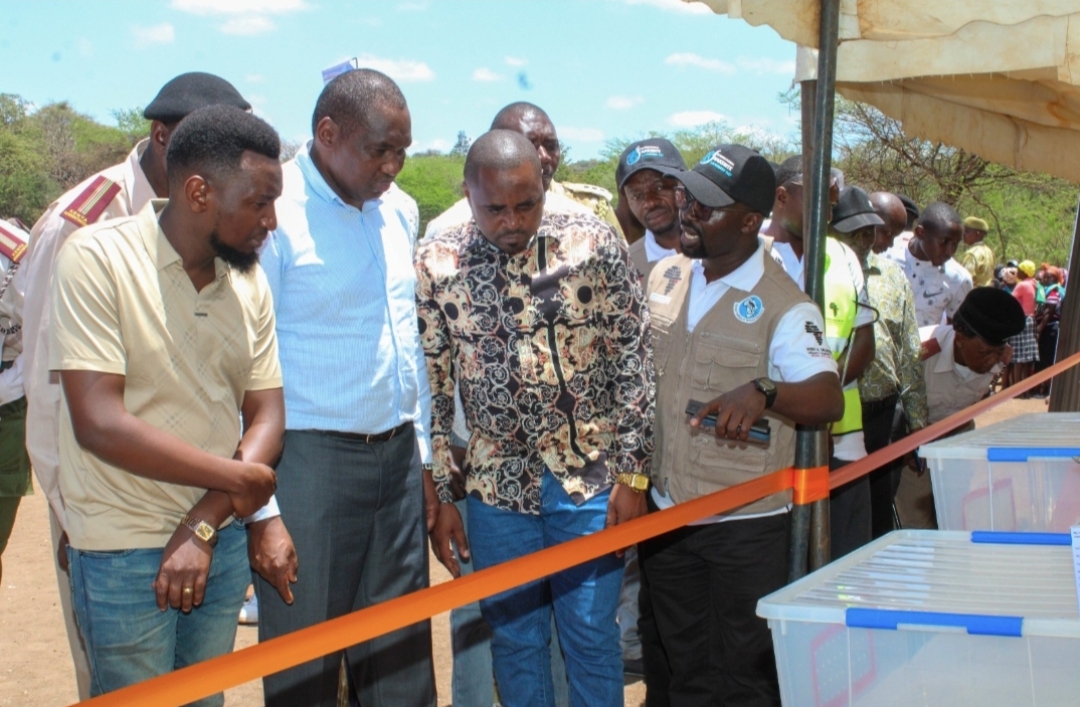
The Kenya Institute of Primate Research (KIPRE) took center stage in this year’s International Snakebite Awareness Day, leading vibrant celebrations in Kathwana, Tharaka Nithi County—a region that embodies both the challenges and potential solutions in the fight against snakebite envenoming.
The event brought together a diverse group of stakeholders to share insights, discuss innovative solutions, and raise awareness about this pressing issue.
As Kenya marks ISBAD 2024, efforts are focused on raising awareness and promoting sustainable solutions to combat the effects of snakebite envenoming.
Key activities include social media campaigns, distribution of educational materials, public announcements, and partnerships with local leaders to enhance awareness.
Snakebite envenoming is a significant but neglected health crisis in many tropical regions, including Kenya, where around 4,000 people die and 7,000 suffer complications annually.
The issue primarily affects rural communities, with weak health systems struggling to provide adequate treatment.
Through strategic interventions, Kenya, among other affected countries, aims to address this public health challenge to protect both human health and the environment.
Through initiatives aligned with global strategies, KIPRE has been a key player in advocating for effective interventions.
To address this, the Kenyan Ministry of Health (MOH) has invested in research, developing a Kenya-specific antivenom through the Kenya Institute of Primate Research (KIPRE) and the Kenya Snakebite Research and Intervention Centre (KSRIC).
In alignment with global efforts to reduce snakebite cases by 50% by 2030, Kenya participates in International Snakebite Awareness Day (ISBAD).
ISBAD aims to educate communities on snakebite prevention and response while recognizing individuals and organizations contributing to snakebite management efforts.







[…] Want to learn more about similar health initiatives? Check out this article […]