
A smoke-free Africa is no longer a far-off dream it’s becoming a real and powerful movement.
This year’s Technovation 2025 conference in Cape Town opened the door to one of the continent’s boldest public health goals yet: building a smoke-free Africa.
According to the World Health Organization (WHO), approximately 1.3bn people globally smoke cigarettes. Despite the well-documented health risks associated with smoking, the US Centers for Disease Control and Prevention (CDC) reports that fewer than one in ten adult smokers manage to quit each year.
With 84 million adults across Africa still using cigarettes, the health risks are hard to ignore. Smoking continues to fuel cases of cancer, heart disease, stroke, and other life-threatening conditions.
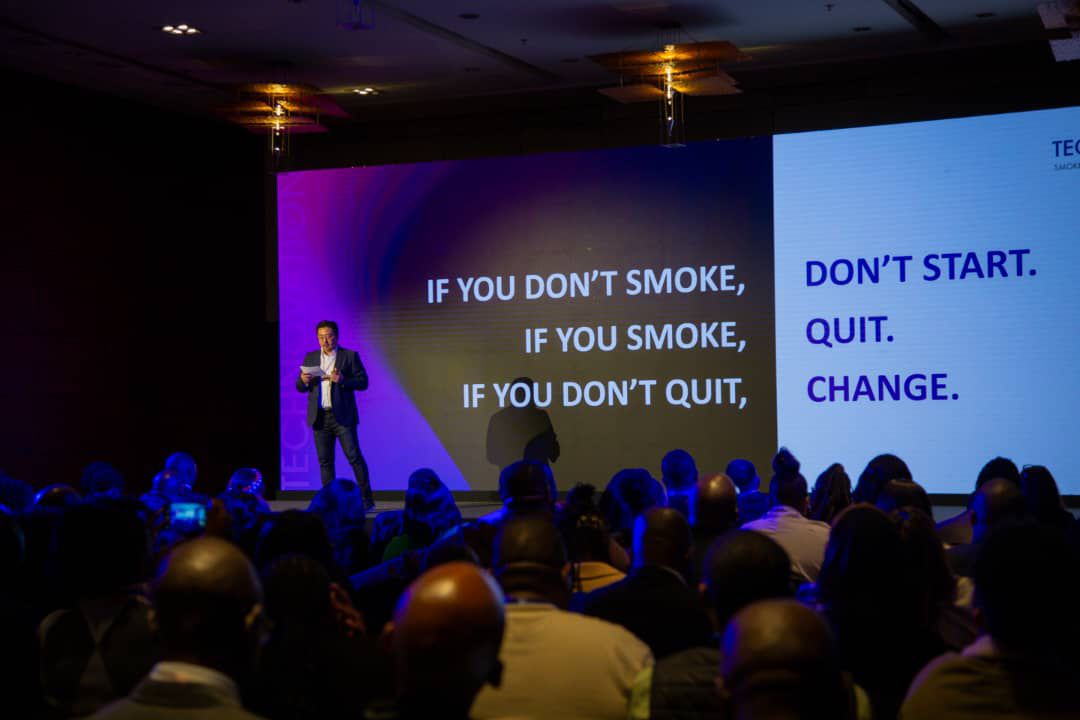
The message at the conference was clear: If you Don’t Smoke, Don’t start. If you smoke, Quit. If you Don’t quit, Change.
This is where companies like Philip Morris International (PMI) are stepping in not to defend tobacco, but to push for smoke-free alternatives that can help reduce harm for adults who still smoke.
“It’s not about copying what the West is doing,”Andrea Gontkovicova from Philip Morris International (PMI) said. “It’s about finding what works for Africa.”
PMI shared how they are working on alternatives to traditional cigarettes products that don’t burn tobacco and may expose users to fewer harmful chemicals. These include heated tobacco products and nicotine pouches that are already being regulated and used in other parts of the world.
But as speakers pointed out new technology alone won’t solve the smoking crisis. What’s needed is a mix of trust, better communication, and local policies that support change.
Andrea Gontkovicova, a senior leader at PMI, explained it well: Africa doesn’t have to follow behind it can lead. But for that to happen, governments need to create smart policies that allow adults to access safer options while keeping young people protected.
Some countries are already on that path. In South Africa, PMI is investing in local projects and working with communities to make this shift a reality.
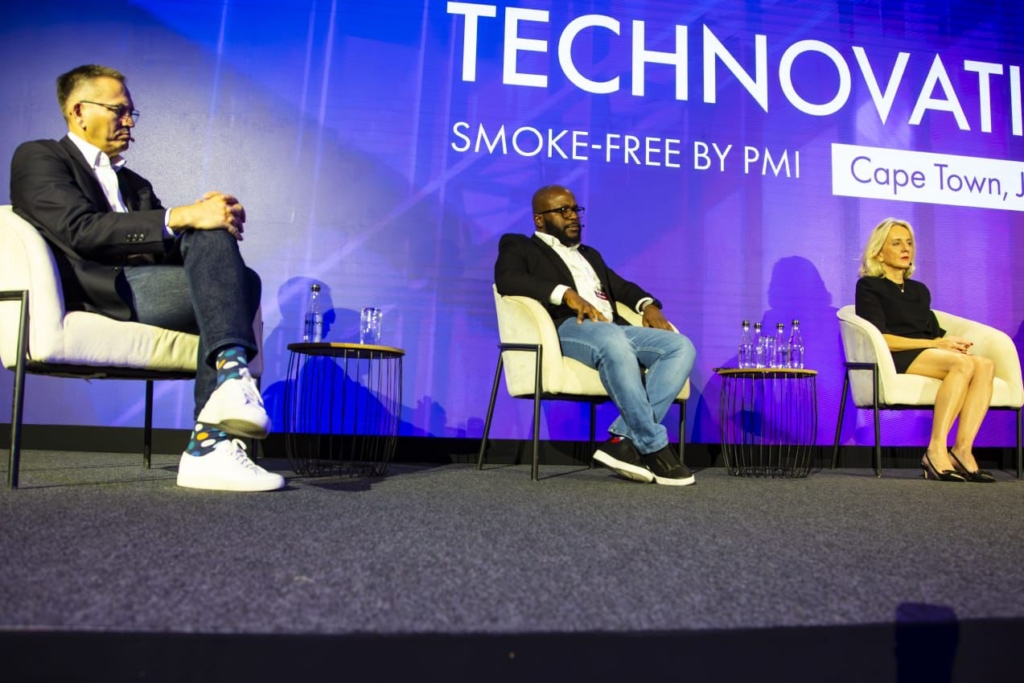
Themba Mathebula, who leads External Affairs for PMI in the region, said the goal is simple: bring people together. Government, industry, and communities must all work side by side to make harm reduction possible.
The media also has a job to do. Dr. Mercy Korir, a health journalist and doctor from Kenya, reminded everyone how fast false information can spread just like it did during the COVID-19 pandemic. She called for honest conversations about smoking alternatives so that people can make informed choices, not be misled by fear or rumors.
Tomaso Giovanni from PMI added that clear communication of science builds public trust. He pointed to PMI’s collaboration with the U.S. Food and Drug Administration (FDA), which reviewed and authorized some of its smoke-free products.
Beyond the science the message at Technovation 2025 was about people. It was about giving African youth and adults the tools they need to live better, healthier lives.
Brainslav Bibic, PMI’s Vice President for Sub-Saharan Africa stressed the importance of creating solutions that serve real communities, not just corporate targets.
Meanwhile Jonathan Kwak reminded everyone that business not only has a duty but a responsibility to drive change through good investments and practices that benefit people and the planet.
By the end of the conference, the tone had shifted. It wasn’t about waiting anymore it was about acting.
Read Also: Powerful Shift Toward a Smoke-Free Future: How Media, Medicine, and Industry Are Working Together
A smoke-free Africa won’t happen overnight. But with better options, better education, and the courage to try a new path, the continent is getting closer and closer every day.







[…] Also Read: Major Step Toward a Smoke-Free Africa Takes Shape at Technovation 2025 […]