
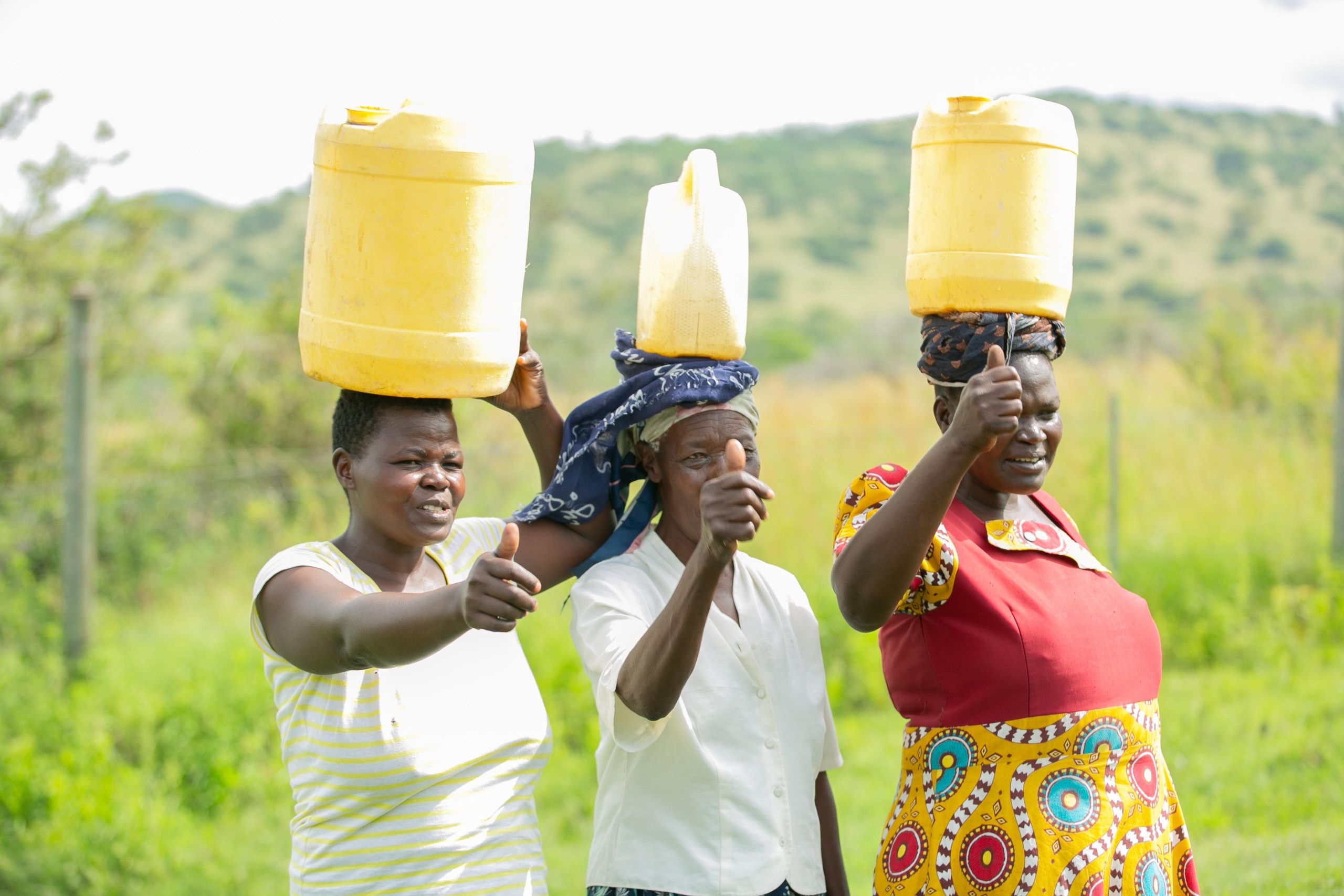
In the wild plains of Ruma National Park, the M-PESA Foundation is helping bring back the roan antelope and hope for the people who live nearby.
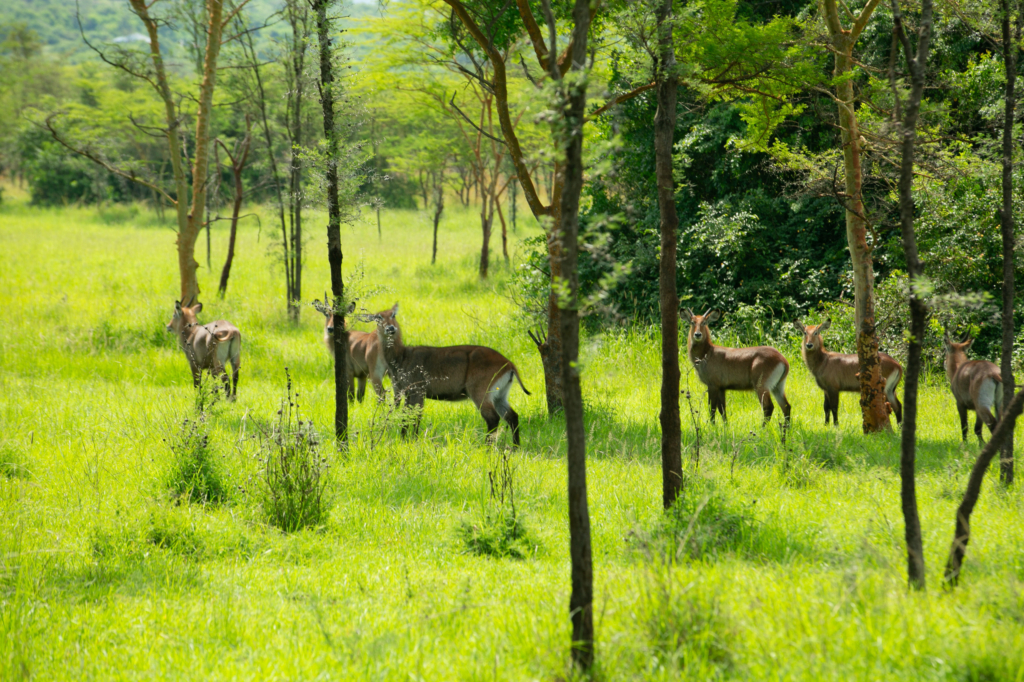
The park’s wild plains were previously home to majestic roan antelopes, a rare species. But over the years their number reduced due to poaching as well as a loss of habitat .Their total population reduced from 300 in 1980 to only 14 remaining By 2021
It was around this time that a transformation quietly began.
The M-PESA Foundation collaborated with the Kenyan Wildlife Service, Northern Rangelands Trust, and Back to Africa to take action. They put up an 8.6 km long fence that protected and nurtured the roan population. The foundation also donated a tractor, mower, and Suzuki vehicle which allowed rangers to effectively patrol the area.
KWS’s Augustin Ajuoga commented on the support given and how crucial it has been to uplift and save the roan population as well.’’MPESA Foundation’s entry was very timely to conserve the few Roan antelopes left and to uplift neighboring communities since they are also custodians of wildlife.’’
But it wasn’t just about the antelopes.
Right next to the park, just outside the sanctuary, another problem was surfacing in the village of Nyatoto where people, mostly women, woke up before sunrise and walked for kilometers to fetch water. They usually return home at dusk, sometimes with dirty water.
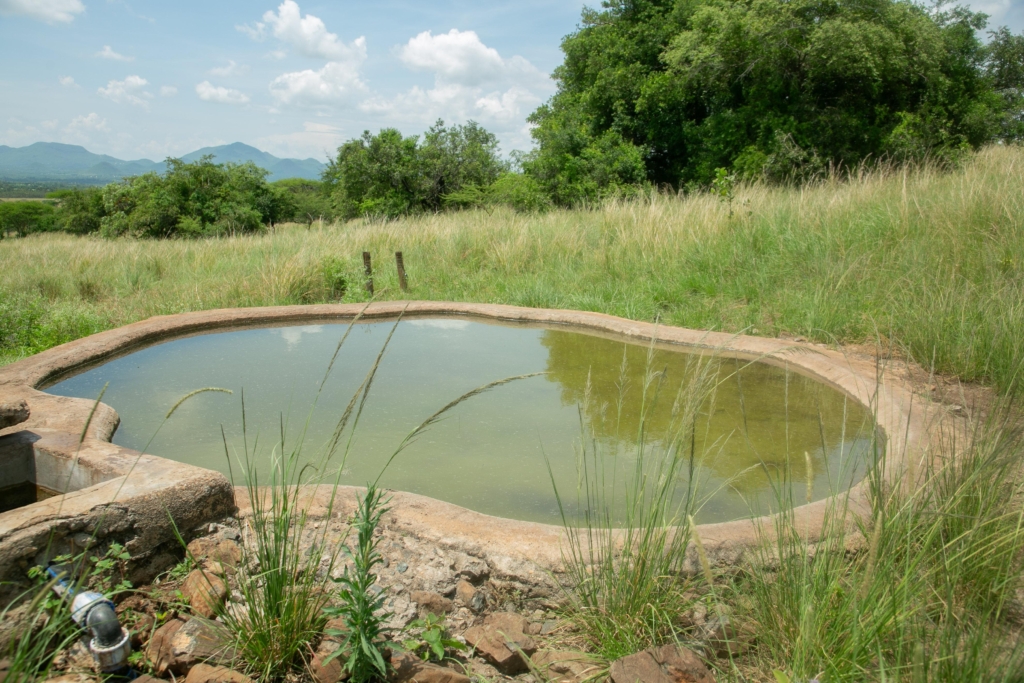
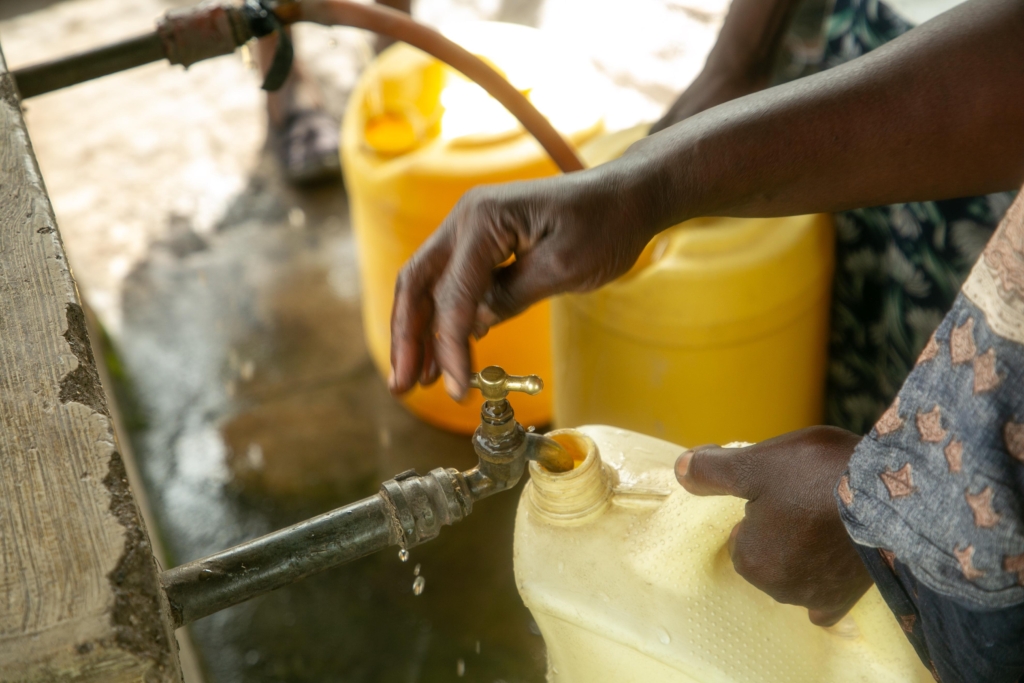
After realizing the place entitled years of neglect, M-PESA Foundation invested in water project for people around the park which is along term project, renovated an old borehole with increased capacity to make it more reliable to fetch water and added a backup generator
Women and children who could wake up very early in the morning to fetch water and come home in the evening sometimes with dirty water now have a solution. Families can safely use water for drinking, farming and keeping animals.
This has helped improve the livelihoods of people. Along with the fresh vegetables and stocked up produce, they now have healthier lives year-round.The farmers manage the livestock and garden, leading to the healthy herds and green gardens.
The community is now feeling the difference and because of this embraced conservation like never before.
Instead of outside workers, M-PESA Employed five locals that enabled better management of the sanctuary which in return allowed the locals to form a stronger bond with the park and people.
As a way of gratitude to the park and MPESA Foundation in return, the community protects the park fiercely, and the people are therefore conservation ambassadors
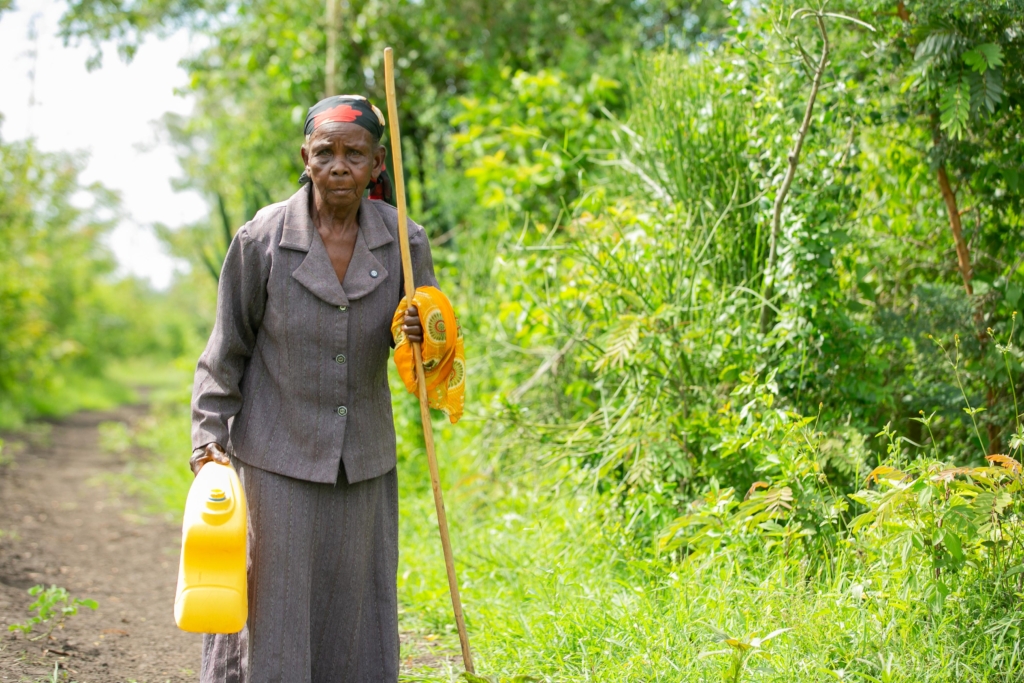
One such guardian is Jennifer Nyakwanda, lovingly known as “Mama Park” is one of the guardians. She is a member of the water project committee and is well known for both her love of the park as well as fighting for water access.
Once the borehole was fixed, she remembers the struggles. “We used to fetch water from a place called Nyadenda, we would wake up and walk for hours to fetch water and sometimes we needed to buy extra water which still wouldn’t be enough.”
Today, with accessible water, she champions wildlife conservation, urging her community to protect the park’s treasures.
In July of 2022 everything changed and the many people’s dreams of the community started to come true. The M-PESA Foundation, continuing support of the Ruma conservation efforts, rehabilitated the Nyatoto borehole. Pipes were laid deeper and there was sufficient water supply. For the first time in Nyatoto community people were supplied water on a recurring basis and there was hope for the future.
Mama Park said, “Now we can water our plants and take care of animals more than that “Saving the roan also saves us.” Along with newly acquired hope, the community took pride in their purpose.
Another important figure we met was walter obuya. He was born and raised in the area. A carpenter and farmer, Walter Obuya the committee chair. Wrangling an old broken generator at the park was a frustrating memory of his. Back then, they had to borrow water but had no clue how to make the system work.
Nowadays with the help of the committee, everything is working seamlessly. They are able to fix taps and there is no misuse, meaning the community can be readily assisted.
“Whenever wildlife damages crops or an animal strays, they report it to us. We assist with compensation and ensure that everyone knows how to contribute to the park’s protection,” Walter elaborated. “Trust building was the goal the past two years—and it’s working.”
Children who once missed school to fetch water now walk to class. Farmers who once lost livestock to thirst now tend healthy herds.
Throughout the Ruma plains, the roan antelope can be seen grazing once again. Their numbers were expected to exceed 25 in mid 2023, an increase from 14 in prior years. While modest, these figures are a symbol of hope for conservationists.
This journey to conserve the Ruma antelope can now be said to not just revolve around saving a beautiful creature, but unifying humanity and wildlife, past struggles reflecting on what’s bound to come, the immense struggles that lie ahead.
During the evening, coupled with the calm breeze and the sun setting behind the hills, one can enjoy listening to the wind in Nyatoto, which serves as a major symbol of the cooperative efforts by locals towards conserving nature and humanity.







[…] Read Also: M-PESA Foundation Revives Hope for Roan Antelope and Community […]