
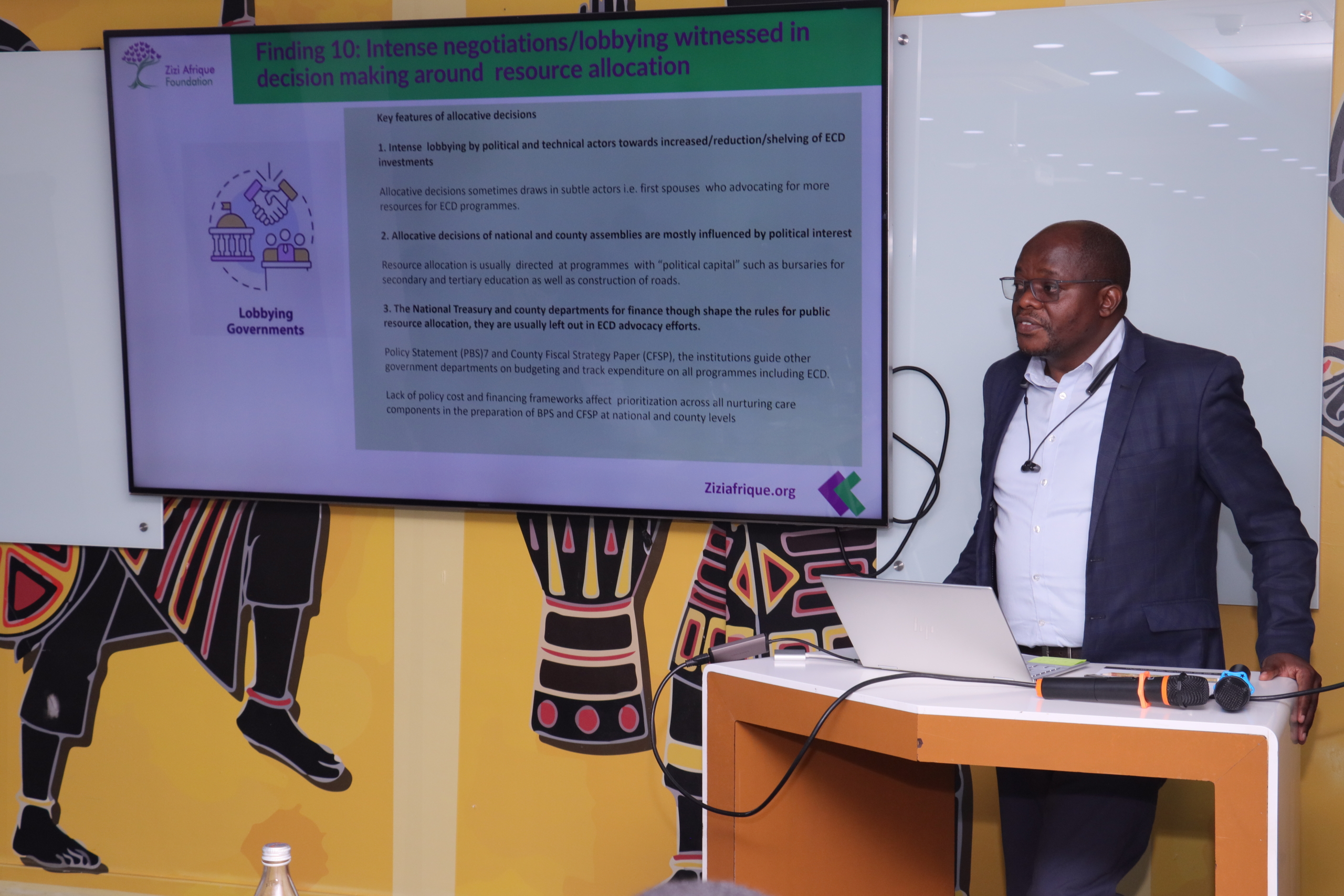
A new study has revealed that adolescent mothers in Kenya face significant challenges in resuming their education despite the government’s school re-entry policy.
The report, conducted by Zizi Afrique Foundation in collaboration with the Ministry of Education and the National Gender and Equality Commission, highlights barriers such as stigma, financial struggles, and lack of childcare, preventing many young mothers from continuing their studies.
According to the findings, many adolescent mothers encounter hostility from teachers, peers, and community members, discouraging them from going back to school.
While the school re-entry policy permits young mothers to return to class after childbirth, limited awareness and inconsistent enforcement have led to its poor implementation.
“Some schools turn away young mothers because they are unaware of the policy, while others impose strict conditions that make re-entry difficult,” Maurice Mutise noted.
Financial Struggles and Childcare Concerns
For many adolescent mothers, affording school fees, childcare, and other necessities remains a major hurdle.
With limited family support, some are forced to drop out permanently.
The study found that in regions like Samburu, young mothers struggle to balance education and child-rearing due to economic hardships.
Lack of accessible childcare facilities also poses a challenge.
Many adolescent mothers rely on grandmothers or other relatives to care for their children, but this arrangement is not always sustainable.
In some cases, children experience neglect or poor nutrition due to inadequate caregiving.
Impact on Child Wellbeing
Beyond the difficulties faced by young mothers, the report also raises concerns about the well-being of their children.
Issues such as malnutrition, missed immunizations, and poor early childhood development were observed, particularly in marginalized areas.
The study further highlights the absence of fathers in most cases, with many young mothers raising their children alone.
The lack of paternal involvement contributes to both financial strain and emotional stress.
Calls for Policy Enforcement and Support Systems
To address these challenges, the report recommends stricter enforcement of the school re-entry policy and increased awareness among school administrators, parents, and students.
It also calls for the introduction of flexible learning options, such as part-time classes and digital education programs, to accommodate adolescent mothers.
Additionally, the study suggests strengthening community engagement to reduce stigma and providing financial and childcare support to young mothers returning to school.
“Education is crucial in breaking the cycle of poverty. We need to create a system that fully supports adolescent mothers and their children,” the report stated
The findings have sparked calls for urgent intervention from the government, non-governmental organizations, and other stakeholders to ensure adolescent mothers are not left behind in the pursuit of education.