
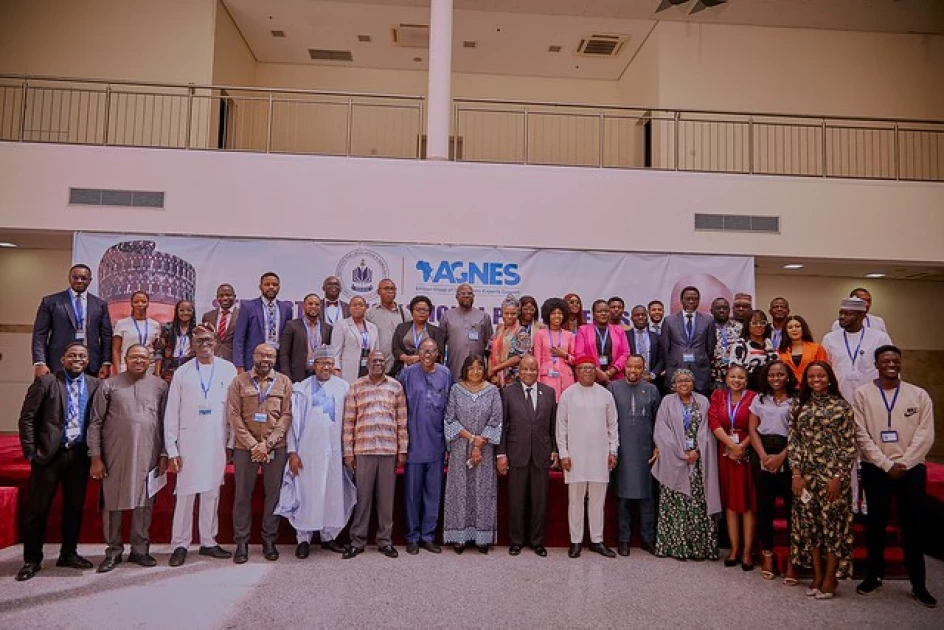
Africa is facing some of the most severe effects of climate change, yet only three countries Kenya, Uganda, and Nigeria have enacted dedicated climate change laws, a new study by the African Group of Negotiators Expert Support (AGNES) has found.
The continent, despite contributing less than 4% of global emissions, continues to bear the brunt of climate disasters, including prolonged droughts, devastating floods, and unpredictable weather patterns.
These conditions contributed to 2024 being the warmest year in a decade, according to the World Meteorological Organization.
In response, experts are calling for urgent climate legislation across Africa to strengthen policy responses and drive collective action.
Speaking at the launch of a model climate change law for Africa, AGNES policy research director Dr. David Awolala emphasized that while many African countries have environmental policies, only a few have fully developed climate change laws.
“We have three countries with what you can call true climate change legislation Kenya, Uganda, and Nigeria. While other countries have environmental policies, they do not yet have dedicated climate change laws,” Dr. Awolala said.
A Blueprint for Action
To address this gap, AGNES has developed a draft modern climate change law for Africa, drawing from global best practices and tailored to the continent’s unique challenges.
Dr. Geofrey Omedo of the United Nations Development Programme (UNDP) Nigeria praised the initiative, stressing that robust legal frameworks are crucial in achieving global climate goals.
“We are facing a lot of challenges on the climate change front. Just last year, for the very first time, we reached the 1.5-degree pathway—something both the Kyoto Protocol and now the Paris Agreement aimed to avert. With stronger climate laws, we hope to push governments to enhance their commitments in their NDC 3.0 submissions,” Omedo stated.
The Paris Agreement requires countries to update their Nationally Determined Contributions (NDCs) every five years to reduce emissions and curb global warming.
Experts believe that with dedicated climate change laws, African nations can better enforce and implement their climate policies.
Strengthening Climate Governance
Dr. George Wamukoya, team lead at AGNES, reiterated that legislation is a vital tool in the fight against climate change.
“Climate change is here with us, and therefore, we must put in place tools that will help us address it. Legal experts from across Africa and globally are ready to support this process by identifying best practices from other regions,” Wamukoya said.
Walters Tubua, Regional Head of the United Nations Framework Convention on Climate Change (UNFCCC-RCC), also underscored the urgency of enacting climate laws.
“When I hear that only three African countries have legislation on climate change, it makes me think we are not taking this issue as seriously as we should,” Tubua said.
“Debating climate change in parliament and adopting the right legislation will be crucial to protecting our nations and enabling action.”
Tubua praised AGNES for developing a framework that is both adaptable and comprehensive.
“I see this becoming an instrument that will help at the UN level when engaging with countries. It defines climate action within the African context, making it both rich in content and practical for implementation,” he added.
A Call to Action
With climate disasters worsening, experts warn that Africa cannot afford to delay action.
Strong, enforceable climate laws will be essential in mitigating future risks, attracting climate finance, and ensuring sustainable development.
As countries prepare to submit their next round of climate commitments under the Paris Agreement, the push for national climate legislation in Africa has never been more critical.
The AGNES model law is expected to serve as a blueprint for African nations looking to strengthen their climate governance, setting the stage for a more coordinated and effective response to the climate crisis