By Njeri Irungu
Kenyan leaders have called on public institutions to rebuild trust by keeping their promises, resolving complaints and giving citizens a bigger say in decisions that affect their lives.
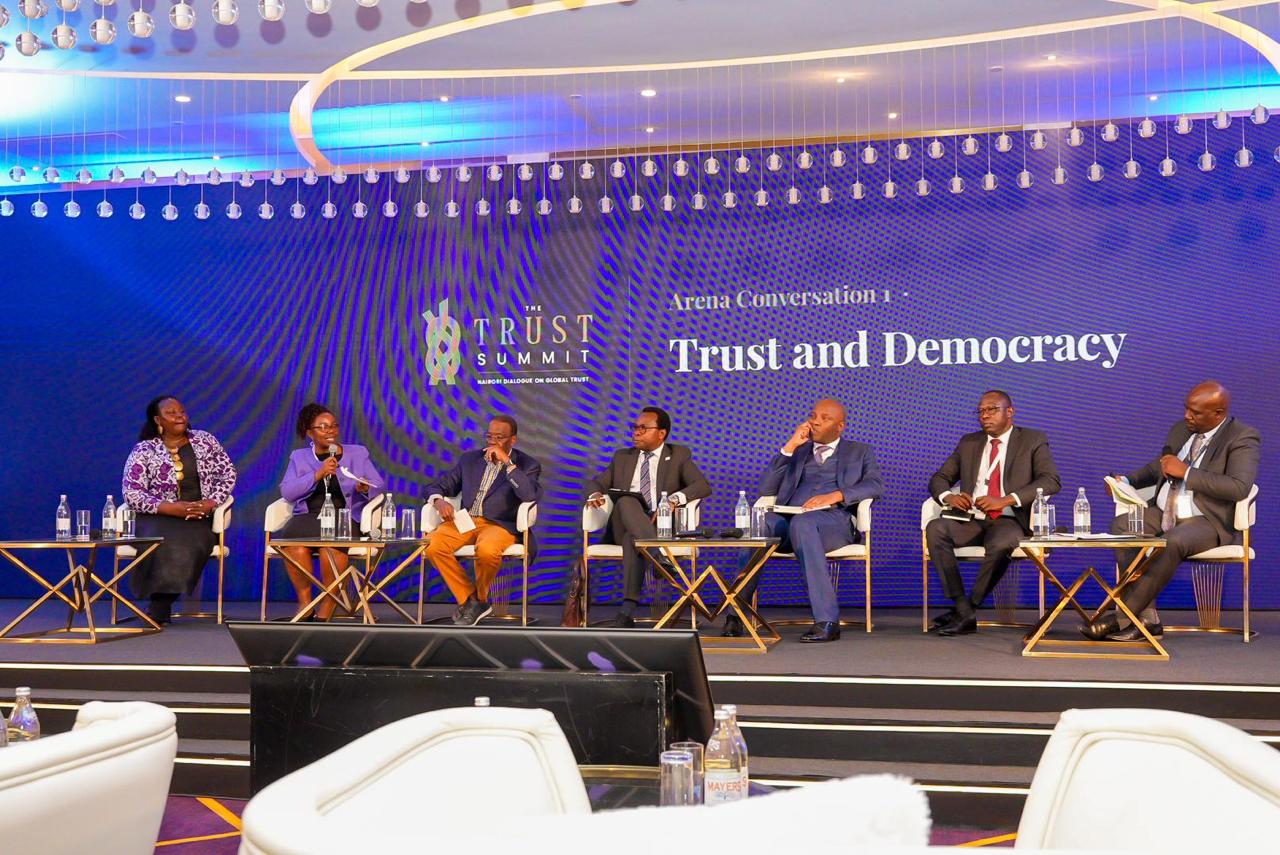
The call came during the Global Trust Summit in Nairobi, which has brought together government officials, regulators, civil society organisations and business leaders to discuss declining public confidence in institutions.
The three-day summit, running from October 21 to 23, is being held under the theme, “Weaving Trust: Binding Strands for a Stronger Global Order.”
Principal Secretary for Foreign Affairs Dr Abraham Korir Sing’Oei said rebuilding trust was becoming increasingly important as countries dealt with inequality, geopolitical tensions and declining confidence in leadership.
“This is not a summit of convenience. It’s a summit of necessity,” he said.
Speakers at the meeting said holding public office or having the legal authority to make decisions was not enough to earn public confidence.
They said institutions must also be honest, provide reliable information and show that their decisions are making a difference.
Auditor-General Nancy Gathungu said accountability should go beyond checking whether procedures have been followed.
She stressed the need for credible information and effective oversight that leads to corrective action.
Resolving Complaints
The need for public institutions to address complaints was also highlighted during the discussions.
A Communications Authority of Kenya Director, Dr Priscilla, said institutions should take responsibility for solving problems raised by the public instead of simply acknowledging complaints.
“Trust does not stop with complaints. It stops when the complaint has been resolved,” she said.
Commission on Administrative Justice Vice-Chairperson Dorothy Jemator Kimengech said citizens were more likely to trust institutions when they understood how they operate and what they were doing.
Kenya Bureau of Standards Chief Executive Esther Ngari said public confidence was closely tied to the reliability of services and systems.
Chief of Staff and Head of the Public Service Felix Koskei, meanwhile, called on regulators to follow the same rules they expect others to observe.
“A regulator that demands compliance from others must be an example of compliance,” he said.
Citizens Want a Bigger Role
Public participation was another major issue at the summit, with speakers saying citizens should have a role in governance beyond voting during elections.
Government Spokesperson Charles Owino said power in a democracy ultimately belonged to the people.
Independent Policing Oversight Authority Chairperson Duncan Ojwang’ cautioned against allowing public consultations to be controlled by a small group of outspoken people.
“Let us not turn public participation to the noisiest, let it be universal,” Ojwang’ said.
Transparency International Kenya Executive Director Sheila Masinde described public participation as a democratic right.
Kenya National Commission on Human Rights Chairperson Clarise Ogangah said citizens continued to have a role in influencing governance even after electing their representatives.
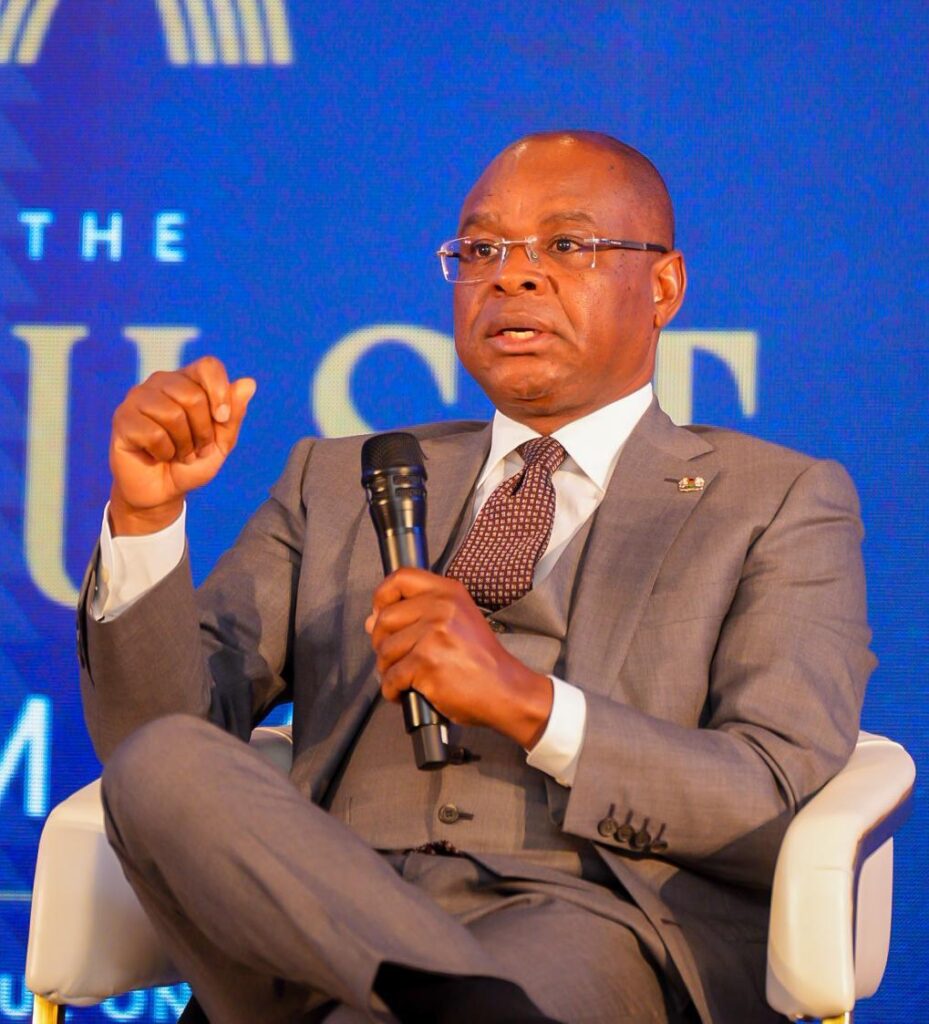
Mzalendo Trust Executive Director Caroline Gaita said public participation could not be meaningful if institutions failed to explain what happened to views submitted by citizens.
“Participation without a feedback loop is not engagement; it’s attendance,” she said.
Uganda’s Vision Group Chief Executive Don Wanyama also highlighted the role of the media in keeping citizens informed and supporting public scrutiny of leaders.
Participants said institutions should communicate not only their plans but also what happened after public consultations, including whether citizens’ views were reflected in policies, budgets and service delivery.
Trust Matters for Business
The discussions also turned to business and investment, where trust can influence partnerships, entrepreneurship and economic growth.
NBA Africa Chief Executive Clare Akamanzi said organisations needed to show that they could deliver on their commitments rather than depend on public announcements.
Venture capitalist and startup builder Sean Karanja linked trust to investment, saying investors needed to have confidence in the people and businesses they support.
“I want to deploy truthful capital to truthful entrepreneurs,” Karanja said.
The summit also looked at Africa’s position in global decision-making.
Sing’Oei noted that Africa, with 54 countries and more than 1.4 billion people, does not have a permanent seat on the United Nations Security Council.
He said international institutions should better reflect the interests of the people they serve.
He also pointed to regional initiatives such as the East African Community and the African Continental Free Trade Area as avenues for strengthening Africa’s collective influence and economic prospects.
Nairobi Call to Action
The summit is also working towards a proposed Nairobi Call to Action on Global Trust, aimed at moving the discussions from statements to practical action.
The initiative seeks to promote evidence-based decision-making, stronger accountability and the correction of inaccurate assumptions in data, risk assessments, governance systems and public narratives.
Delegates are also discussing how young people, women, persons with disabilities, displaced populations and other historically excluded groups can take part more meaningfully in decision-making.
Trust Summit Chief Executive Awel Uwihanganye urged Africans to have greater confidence in their own institutions, including courts, universities, regulators and financial organisations.
He also called on young people to play a bigger role in shaping the continent’s future.
“Let us trust one another until we are given a reason not to,” he said.
Senate Speaker Amason Jeffah Kingi said institutions could strengthen public confidence by meeting people’s legitimate expectations within a reasonable time.
“Trust is a belief that my legitimate expectations will be met within a reasonable time,” he said.
As the summit runs until October 23, attention will now turn to whether the commitments made during the meeting will lead to practical changes.
For citizens, businesses and investors, the real test of trust will be whether institutions deliver on their promises, respond to complaints and involve the public in decisions that affect them.