
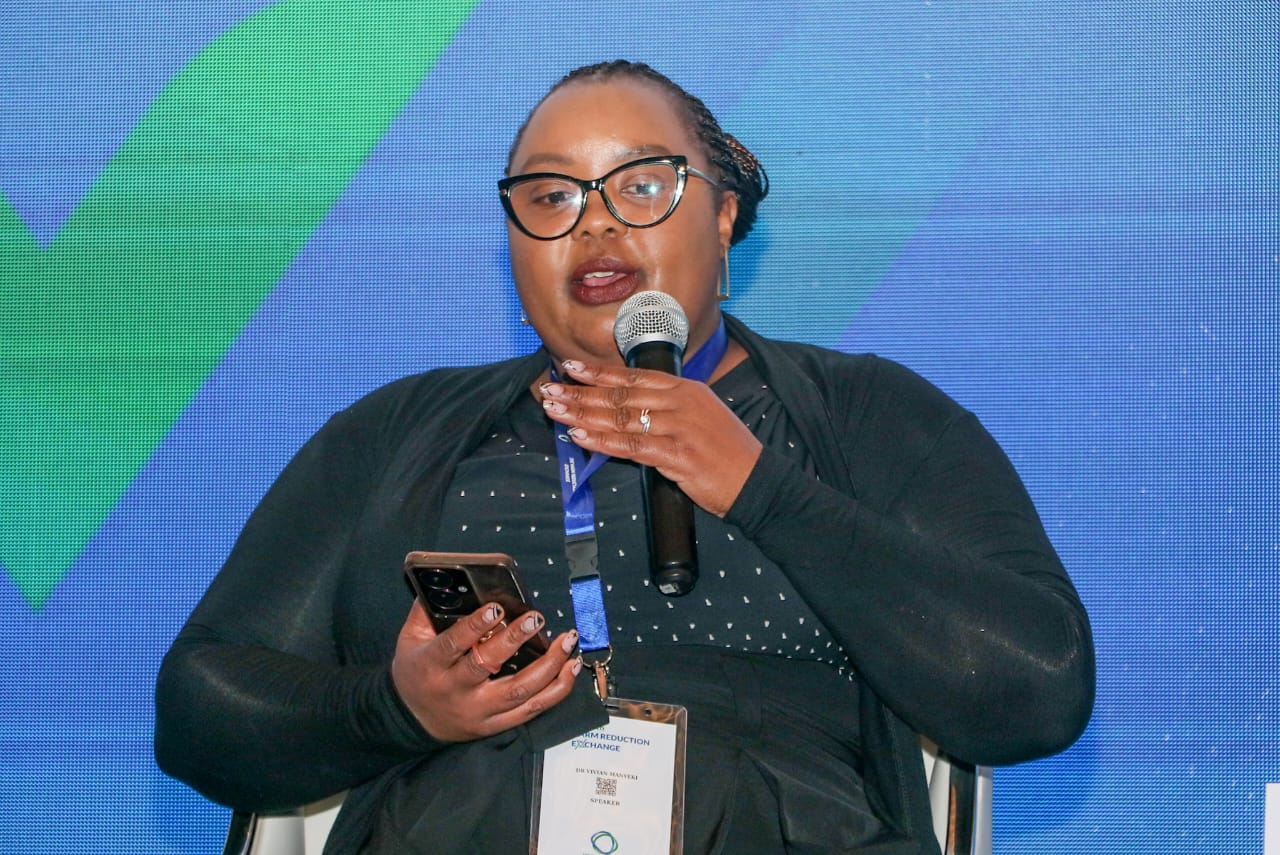
By Dr Vivian Manyeki, Public Health Specialist and Tobacco Harm Reduction
Advocate
The debates were heated at the 11th Conference of the Parties (COP11) to the WHO Framework Convention on Tobacco Control (FCTC) in Geneva. During the hectic pace of meetings and side discussions, one young African delegate confronted a representative of one of the major global foundations:
“We appreciate your support, but Africa’s strategies must reflect our realities, not imported templates.”
That modest, brave utterance spoke to a vital tension at the heart of the talks: the fine line between useful international funding and undue influence. Experts have since framed this issue as policy capture at COP11-a phenomenon wherein global actors risk setting African health policies in ways that are disconnected from localized needs.
Why Policy Capture at COP11 Matters
The COP11 discussions made it crystal clear: tobacco is deleterious to health, budgets, and the environment. But again, the solution is not quite so straightforward.
The philanthropists-also Michael Bloomberg and the Gates Foundation-provide valuable resources, but all too often their support comes with strings attached. This, combined with corporate lobbying, sometimes puts local priorities in the shade, à la policy capture at its best at COP11.
Kenya’s experience illustrates this perfectly. In 2024, a Host Country Agreement with the Gates Foundation was mired in controversy for privileges that bypassed parliament.
At the same time, increasing nicotine product use prompted the government to consider tighter local regulations. Industry groups tried to water down warnings on nicotine pouches while locally led programs-mostly with government support-managed to reduce youth tobacco use by 15% in just two years.
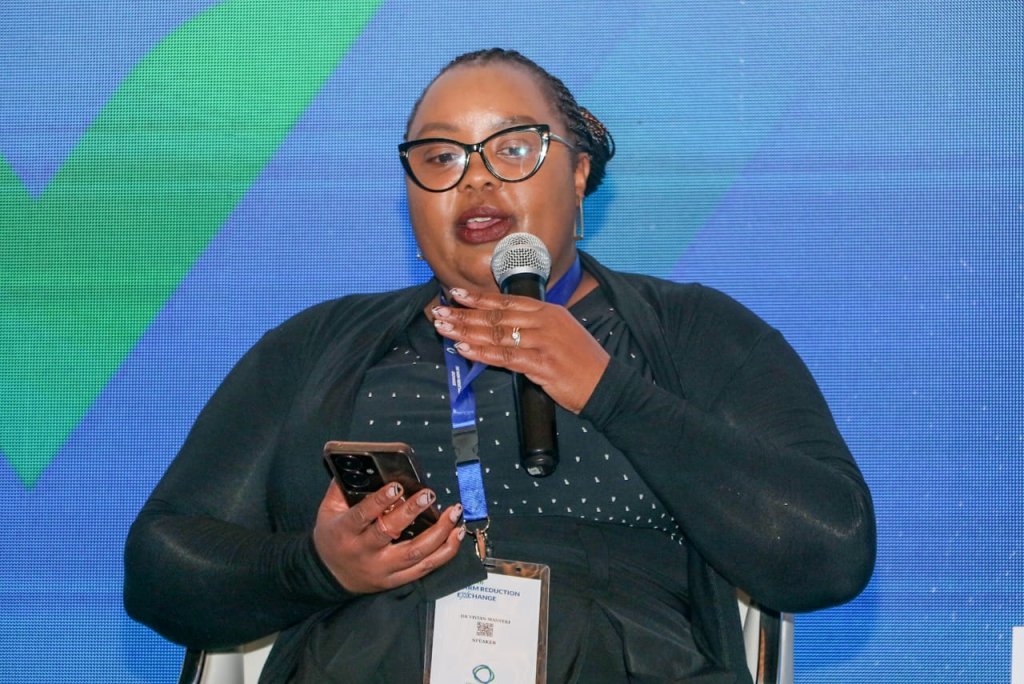
Advocate
These examples show the danger of policy capture at COP11 but also highlight how African leadership can reclaim control when the communities and experts are empowered.
It is a Kenyan but also a continental challenge. Blanket bans on new nicotine products pushed by some global actors could have the opposite effect: fuel black markets and ignore local evidence. Delegates believed that what Africa needs are rules informed by context-specific evidence.
Workshops and discussions in Nairobi and other communities have shown that policies informed by local voices can save lives and steer harm-reduction efforts in the right way. This is exactly what African scientists and advocates are fighting against in the form of policy capture at COP11.
Experts insist that homegrown leadership holds the key. African scientists, such as Dr. Adewale Akintola of Nigeria, are demonstrating how research and community-based programmes can lead policy while respecting cultural, economic, and health realities.
In so doing, Africa will fend off undue influence and ensure that policies truly serve the people policies that did not fall into the trap of policy capture at COP11. As the continent moves to COP12, an important lesson stands out: Africa must take charge of its health policies.
Favoring openness, accountability, and national leadership enables countries to explore international support without bleeding sovereignty. The time to act is now before outside agendas dictate the course, African voices must lead.
By Dr Vivian Manyeki, Public Health Specialist and Tobacco Harm Reduction
Advocate
Read Also: Kenya Restricts, South Africa Debates: What path will Africa take on smoke-free products?






[…] Read Also: OP-ED | Policy Capture at COP11: What It Means for Africa’s Health Leadership […]