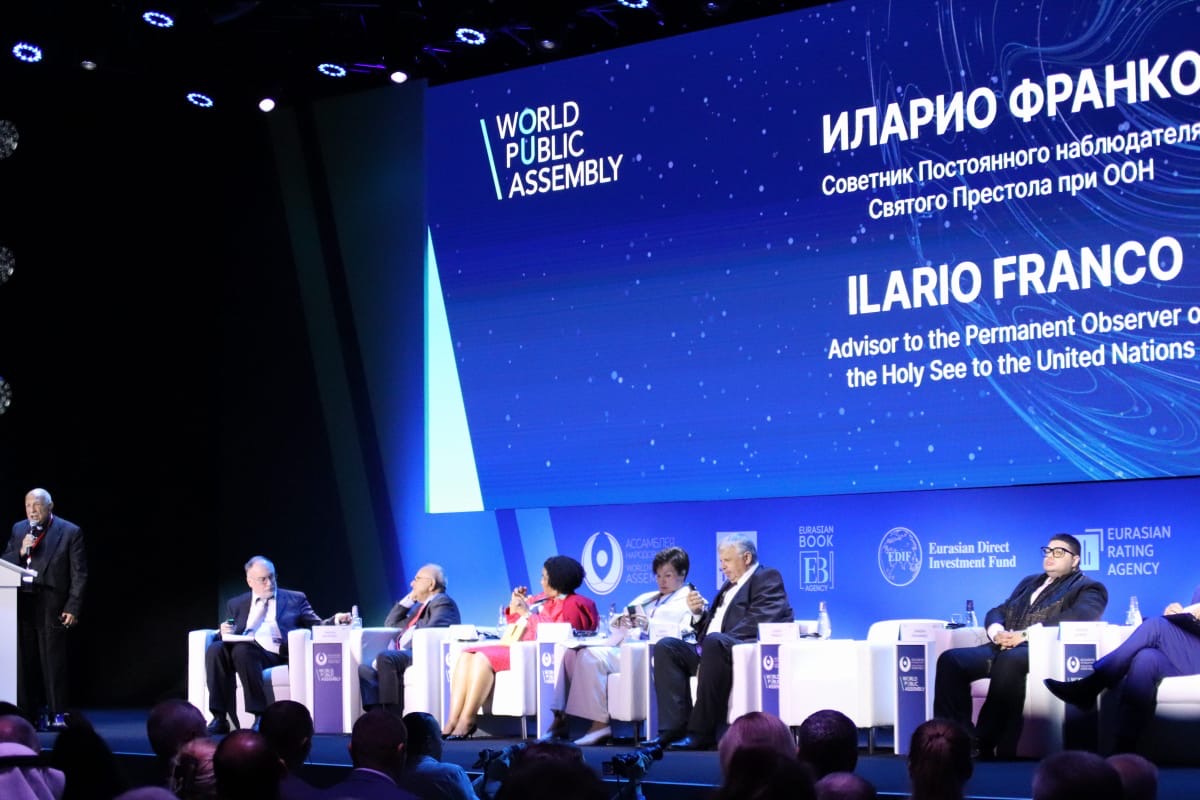
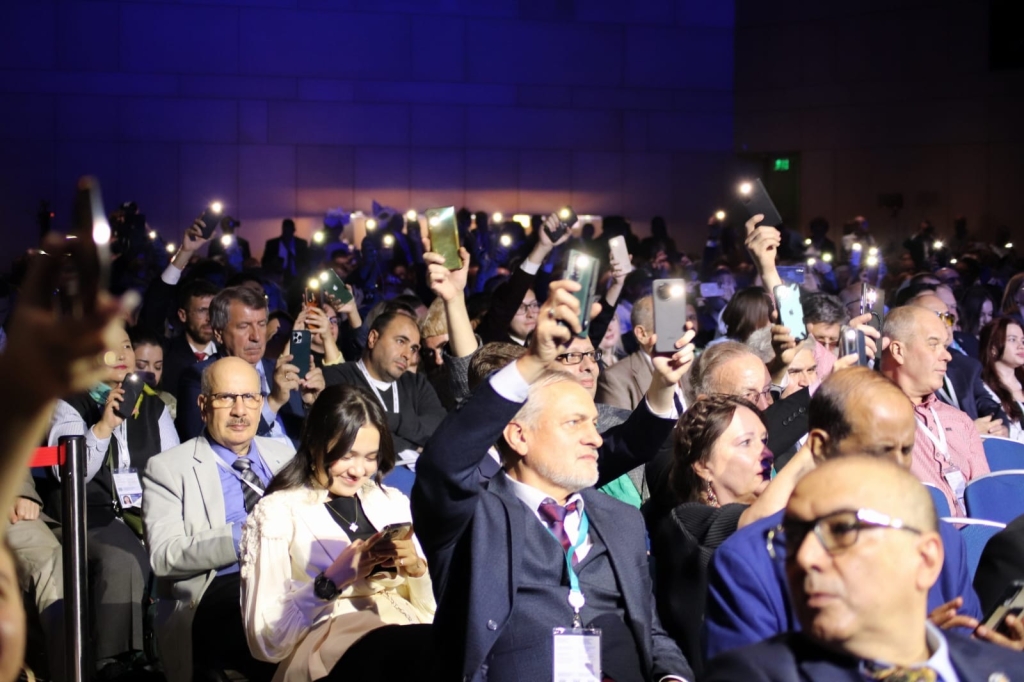
The inaugural World Public Assembly (WPA) brought together more than 4,000 delegates from over 150 countries, transforming the event into a rare global forum for dialogue on the future of humanity.
Politicians, diplomats, business leaders, writers, scientists, educators, and representatives of faith and social movements spent several days exchanging ideas across nearly 50 sessions and discussion platforms.
At the heart of the gathering was a bold vision: building a “New World of Conscious Unity,” a future where the dignity and well-being of every individual is at the center of international dialogue and cooperation.
Honoring Service to Humanity
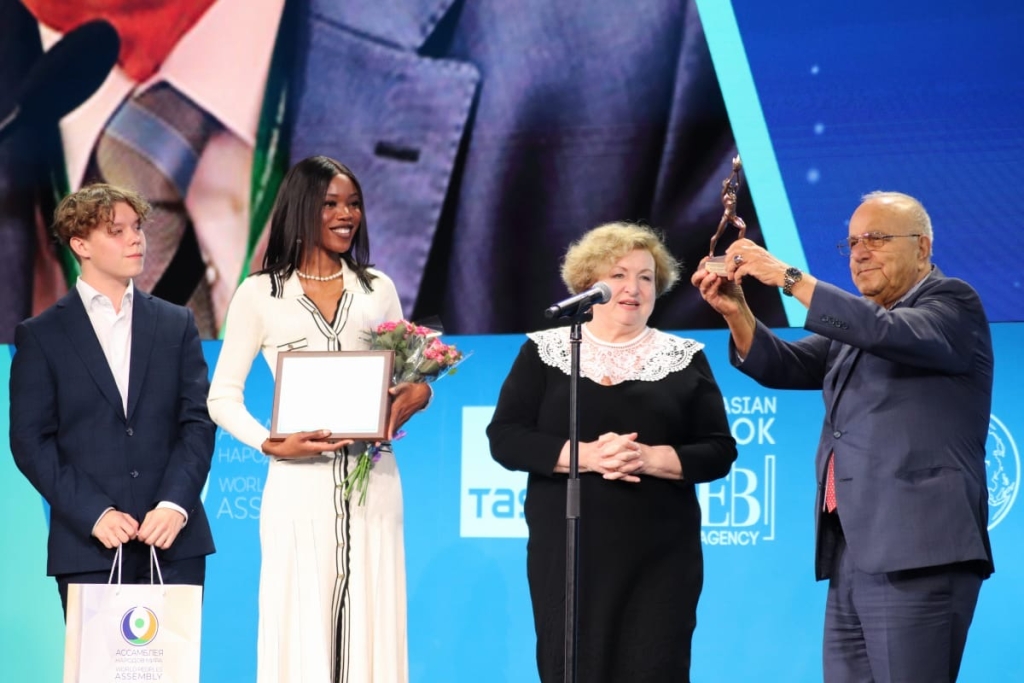
Marking the International Day of Peace on September 21, the Assembly introduced the Public Recognition Award “For Service to Humanity”. It was presented for the first time to a diverse group of laureates from Russia, Jordan, Tajikistan, Kazakhstan, Angola, India, and the United Kingdom.
Among those recognized were Russian philosopher and writer Alexandra Ochirova, former Jordanian Prime Minister Adnan Badran, ex–Shanghai Cooperation Organization Secretary General Rashid Alimov, Kazakh composer Tolegen Mukhamedzhanov, Angolan humanitarian Sabena Johannes, and Indian National Congress representative Dalbir Singh.
“These names have become symbols of leadership rooted in humanism,” noted one delegate. As Ochirova reminded the audience, “No one in the world can resist united minds.” Johannes added her own appeal: “We must awake as one.”
Building an Economy of Trust
Amid global turbulence marked by geopolitical rifts, economic competition, and humanitarian crises, participants emphasized the role of public diplomacy and cultural cooperation as alternatives to conflict.
Sessions devoted to the economy underscored the need for trust as the foundation of development. “Economics begins with the search for meaning, and its base is the human being,” said Svetozar Darnev, head of the Russian association Osnova. This concept of an “economy of life” development rooted in trust and human values was a recurring theme.
Media, Conflict, and the Future of Energy
Another lively strand of discussion revolved around the media’s influence on shaping culture. Russian journalist Oleg Yasinsky warned, “The cognitive war today goes against all nations, against spirituality. The media must help restore our cultural code.” Filmmakers and producers also highlighted the role of creative industries in strengthening societies.
Peacebuilding experts turned their focus to the drivers of conflict, pointing out that profit-first economies often fuel wars.
Others, like Holger Thorsten Schubert of the Neutrino Energy Group, stressed the decisive role of energy: “Whoever controls energy controls peoples.” Yet they agreed that science and technology could provide solutions if guided by humanitarian principles.
Writers and Values Beyond Borders
The Second Congress of the World Organization of Writers (WOW) drew writers from more than 60 nations, sparking discussions on translation, publishing, support for young authors, and the place of literature in society.
Artificial intelligence also took center stage. Bangladeshi poet Aminur Rahman cautioned, “We can use AI as a tool, but we cannot rely on it otherwise, we surrender emotion.”
The WOW-2025 Literary Awards honored authors from Brazil, China, Indonesia, Syria, France, and Russia. Summarizing the spirit of the congress, WPA Secretary General Andrei Belyaninov said, “Values are higher than differences, and cooperation is stronger than rivalry.”
Kazakh poet and diplomat Olzhas Suleimenov echoed the sentiment, urging societies to return literature to the heart of public life. “In the last century, we were great readers and authors. Today, we risk losing that connection. We must restore it before it’s too late.”
Humanitarian Cooperation at the Core
Humanitarian collaboration was framed as the cornerstone of the new peace architecture. UNESCO’s “Uniting Humanity” project, discussed at the Assembly, aims to create platforms for cultural exchange and cooperation.
Rasul Omarov of Turkey’s Youth Forum of Islamic Cooperation stressed how initiatives such as student exchanges, volunteer programs, and entrepreneurial support can strengthen harmony between nations.
Ochirova, now a recipient of the Humanity Award, added: “The greatest investment we can make is in people. Civilizational continuity depends on it.”
Recognizing Public Diplomacy Leaders
The WPA also celebrated grassroots peacebuilding through the “Leader of Public Diplomacy – 2025” Contest, which honored 25 finalists leading humanitarian projects worldwide. At the ceremony, the honorary “People’s Diplomat” badge was awarded to Natalia Zabolotskikh, program director of the WPA.
Agreements and Declarations
The Assembly also yielded concrete results: 71 cooperation agreements were signed, including 35 with non-profit organizations and 36 additional accords forged on the sidelines of the forum.
Four landmark documents captured the spirit of the gathering:
- The Declaration of a New World of Conscious Unity
- The Declaration on Happiness
- The Manifesto of Conscious Unity
- The Charter of the New World
Each called for replacing hostility with partnership, affirming love, kindness, and shared human values as guiding principles for the future.