
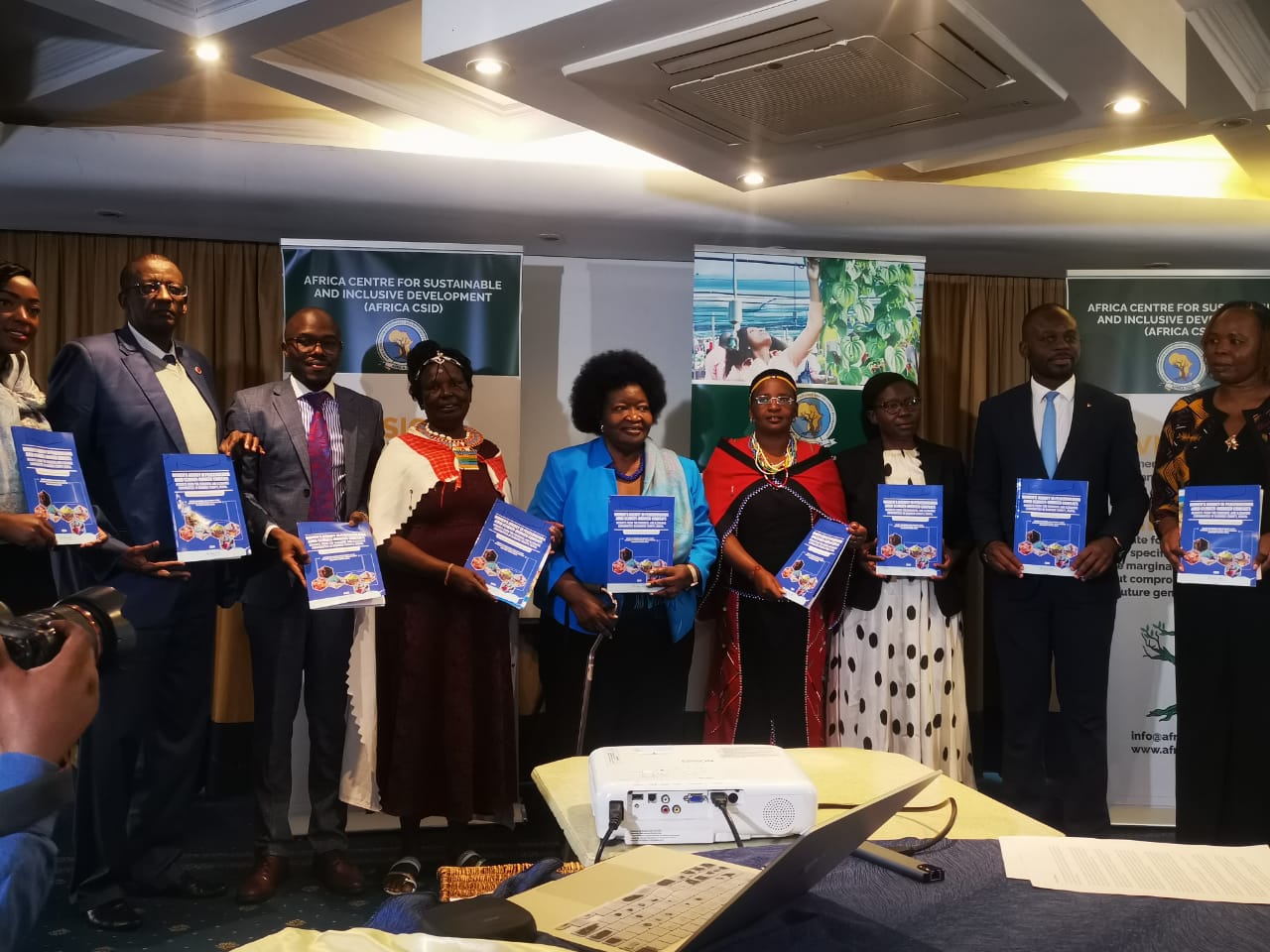
A new report has brought national attention to the essential role of women in climate-responsive peacebuilding in Baringo County. Developed by the Africa Centre for Sustainable and Inclusive Development (ACSID) and launched in Nairobi, the report captures how women from the Ilchamus and Endorois communities are leading efforts to reduce conflict driven by climate stress and scarce resources.
Drawing from real-life accounts, the report shows how prolonged droughts, land degradation, and competition over water and pasture have intensified conflict in Baringo.
These environmental pressures have triggered a cascade of social challenges, including school dropouts, teenage pregnancies, early marriages, and even child recruitment into armed groups.
Despite these difficulties, women in the region are stepping up as peacebuilders. They mediate conflicts over grazing routes and water access, help de-escalate tensions, and work to keep families and communities united.
Their work, often informal and unrecognized, has become central to restoring harmony in areas affected by climate stress.
According to ACSID, the report’s recommendations come directly from community voices especially those of women and youth.
These grassroots insights are now intended to shape actual policy, moving beyond research into implementation at both county and national levels.
During the launch, Senator Moses Kajwang, Chair of the Parliamentary Caucus on Climate Action, supported the report’s emphasis on gender equity in peacebuilding.
He also called for an end to the glorification of cattle rustling, labeling it as organized crime fueled by climate pressures and dwindling resources.
He urged for increased investment in women-led peace initiatives and insisted that indigenous communities such as the Ilchamus and Endorois should benefit from revenues generated through carbon trading and digital sequencing.
The report also challenges traditional assumptions around education and leadership. It notes that while some women in the community have no formal schooling and others have tertiary education, both groups have proven to be effective leaders in resolving conflict and supporting community well-being.
ACSID now plans to engage decision-makers to ensure that these community-driven solutions are not only heard but acted upon.
The organization remains committed to ensuring that women in climate-responsive peacebuilding are recognized and supported as key players in creating sustainable peace.