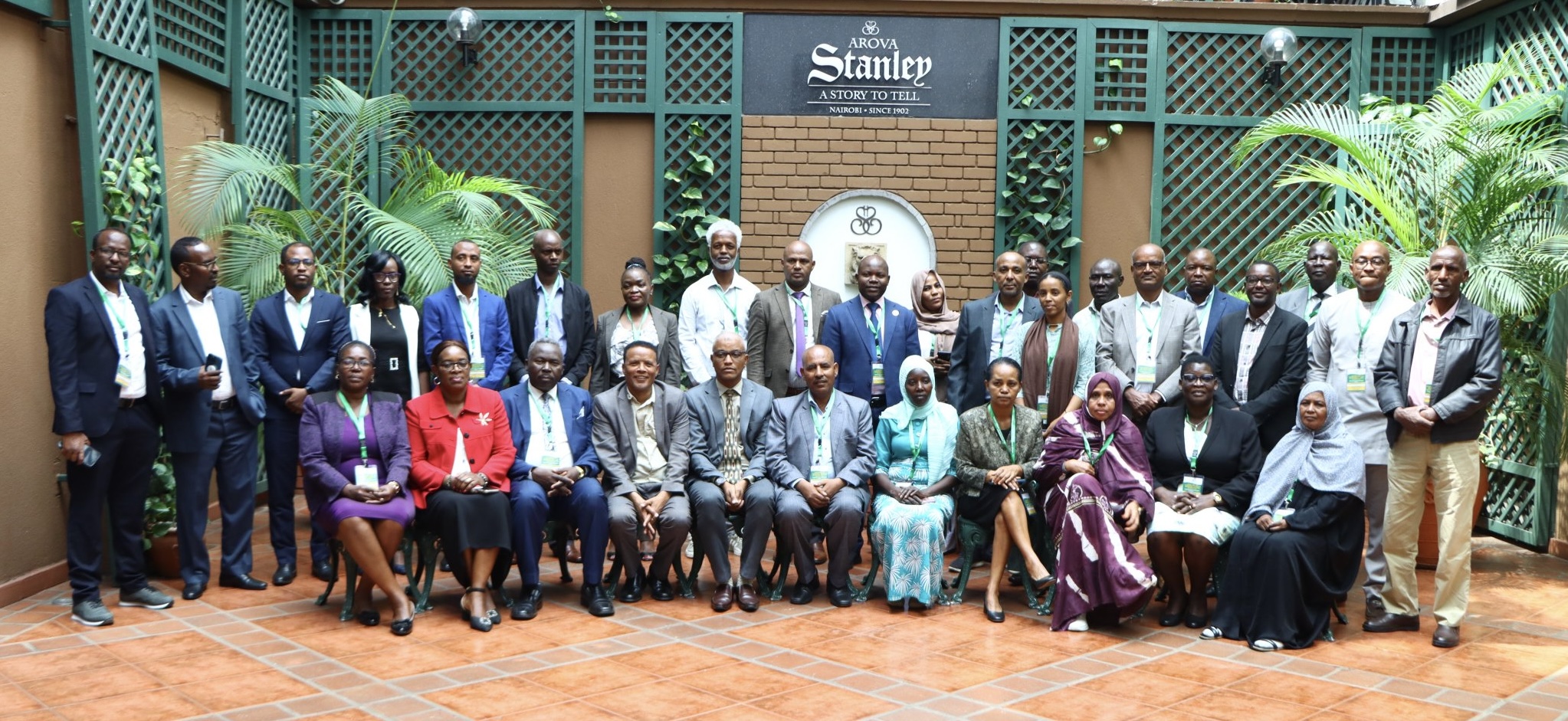
Delegates from IGAD Member States, the African Union, and development partners have gathered in Nairobi for a five-day regional writeshop to develop the IGAD Fertilizer and Soil Health Plan for 2025–2035.
Hosted at the Sarova Stanley Hotel, the event reflects growing momentum to reverse land degradation and increase agricultural productivity through sustainable soil management.
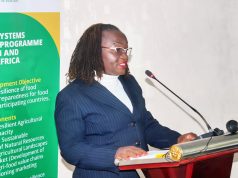
Representing H.E. Dr. Workneh Gebeyehu, Executive Secretary of IGAD, Dr. Eshete Dejen, Programme Manager for Environment and Coordinator for the Blue Economy, stressed the urgency of the task.
“while agriculture remains the cornerstone of our economies, we are witnessing the gradual loss of our most vital resource—our soil.This moment presents a critical opportunity to act decisively by promoting strategies such as the adoption of organic fertilizers to safeguard soil health for future generations.” Dr. Dejen stated
In opening remarks delivered on behalf of Kenya’s Principal Secretary for the State Department for Agriculture, Rashi Khator, who represented the Principal Secretary, welcomed delegates on behalf of the Government of Kenya and the Ministry of Agriculture and Livestock Development
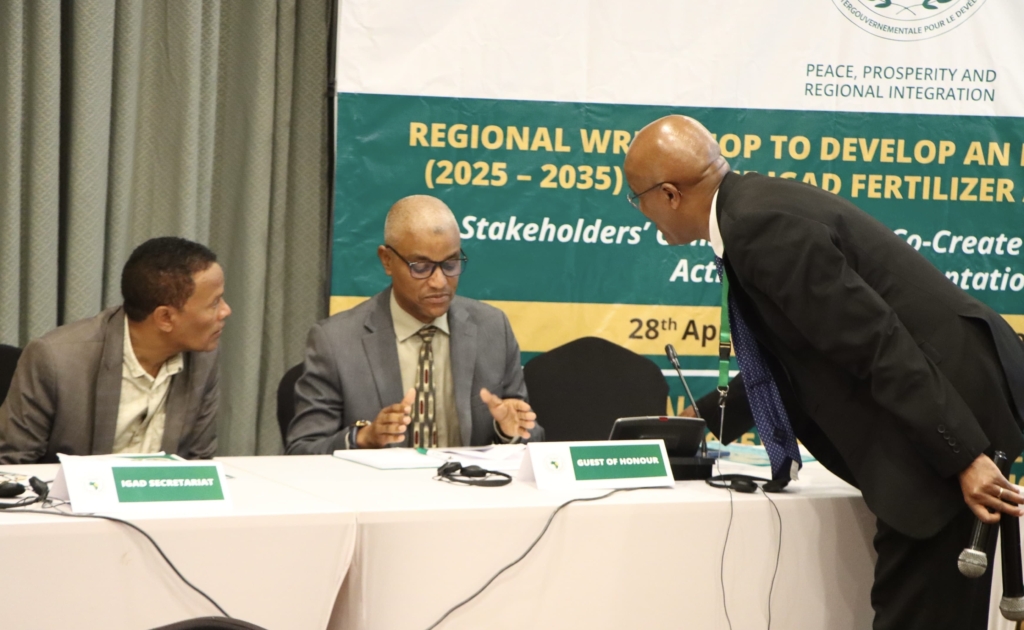
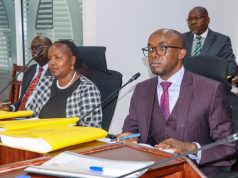
Secretary State Department of Agriculture (Middle)
Highlighting the sector’s significance, he noted that agriculture contributes between 25% to 42% of GDP across IGAD member states and employs over 70% of the region’s population.
However, he warned that productivity remains low due to soil degradation, climate challenges, and limited access to inputs such as fertilizers and quality seeds.
Kenya’s experience, Khator explained, reflects broader regional issues. While fertilizer usage in Kenya stands at 34kg per hectare—above the sub-Saharan average—it remains far below the global average of 135kg.
“Over-reliance on chemical fertilizers without sustainable practices has damaged soil health,” he said, calling for an integrated approach that includes conservation agriculture, agroforestry, and balanced nutrient management.
Delegates also reflected on the outcomes of the recent Africa Fertilizer and Soil Health Summit, which led to the adoption of the Nairobi Declaration and a continent-wide 10-Year Action Plan.
These frameworks seek to expand fertilizer production, improve soil testing capacity, and support location-specific agronomic practices to boost yields and protect ecosystems.
The writeshop aims to translate these continental commitments into a regional roadmap tailored to the unique environmental and economic conditions of the IGAD region.
Organizers emphasized that sustainable soil management is critical not just for food systems, but for broader development goals.
“Let us work together to translate our commitments into concrete actions,” Khator concluded. “The future of our region depends on the health of our soils.”